FirePro Tech

Fire Safety Tips

Fire Sprinkler Certification professionals
Fire Safety Tips, Fire Sprinkler Test

Complete Guide to Fire Sprinkler System Certification

Fire sprinkler certification is something many property owners don’t think about until they have to. But it actually plays a huge role not only in safety but even in insurance approval. A system can be installed perfectly. Anyway, if it’s not inspected and certified regularly, it may not work when it’s actually needed. That’s where certification becomes essential. Why Fire Sprinkler Certification Matters for Insurance and Authorities Most insurance providers won’t take risks with fire protection. They want proof that your system works. That’s why fire sprinkler certification is often required before issuing a policy or renewing one. It’s directly tied to what’s known as a fire sprinkler insurance program. From the fire department’s side, the logic is simple. If a system fails during a fire, the consequences can be severe. Because of this, they require a valid fire safety insurance certificate to confirm everything meets local codes. So, whether you’re dealing with insurance or inspections, fire sprinkler system certification is not optional — it’s expected. Who Is Qualified to Perform Certification Not just anyone can sign off on a system. Fire sprinkler system certification services must be done by the best trained professionals who understand how these systems behave under real conditions. Usually, that includes: Choosing the right contractor matters more than people think. A poorly done inspection can lead to missed issues — or rejected documentation later. Standards and Requirements You Need to Know Fire sprinkler systems follow strict rules. These rules come from national standards, but local regulations also play a role. For example, in CA, requirements often align with national codes but include additional checks. That’s why working with experienced providers like FirePro Tech can make things easier. In general, certification for fire sprinkler systems depends on: Miss just one of these, and you may run into problems. How to Get Ready for Inspection Preparing ahead of time can save you a lot of trouble. Start simple — look at your previous reports. If there were issues before, make sure they’ve been fixed. Then check accessibility. Inspectors need to reach valves, alarms, and other key parts. If something is blocked, it slows everything down. Also, take a quick walk through your property. Make sure nothing is covering sprinkler heads. If you want a deeper checklist, this guide helps. What Inspectors Actually Check During the inspection, technicians don’t just look around. They go step by step through the system. Here’s what usually gets checked: Sometimes they also run water flow tests. This part of certification for fire sprinkler systems is important because it shows how the system performs — not just how it looks. Want to know more? Read our article about testing fire sprinkler systems. How the Certification Process Works The process itself is pretty straightforward. You schedule an inspection, and a qualified technician handles the rest. They review your system, run tests, and document everything. If all requirements are met, you receive fire sprinkler certification confirming compliance. If not, you’ll get a list of issues to fix. After repairs, a follow-up inspection may be needed. What Documents You Receive Once everything is complete, you’ll get official paperwork. This usually includes: These documents are important. Insurance companies often request them, especially for a fire sprinkler insurance program. A small tip: check insurance-related requirements in advance just to be ready for everything and get your fire safety insurance certificate successfully. Why Systems Fail Certification Failures happen more often than expected. The good news? Most of them are preventable. Common problems include: Even small issues can cause a failure. That’s why regular checks matter. What Happens If You Don’t Pass Failing certification isn’t the end of the world, but it does require action. Inspectors will give you a list of what needs fixing. Once repairs are done, you schedule another inspection. The key is not to delay. An uncertified system can lead to fire protection contractor insurance problems — or worse, safety risks. If you’re in the Glendale area, simply call FirePro Tech to get help as soon as possible. At the end of the day, fire sprinkler certification is about reliability. You want to know your system will actually work if something goes wrong. Regular inspections, proper maintenance, and working with the right professionals make all the difference.
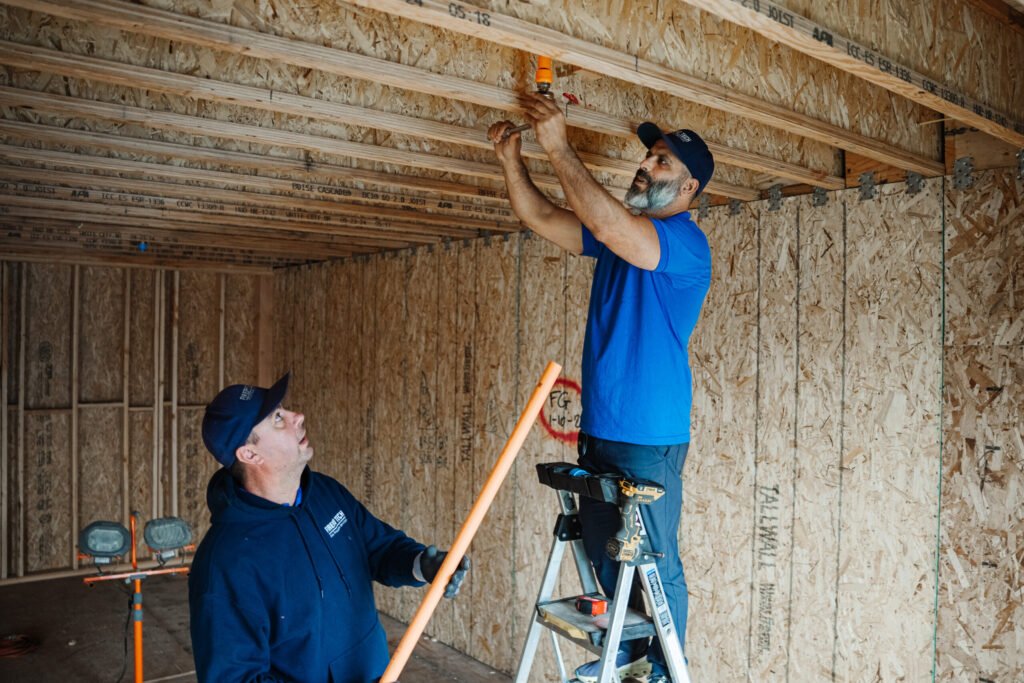
Technicians checking the sprinkler for Fire sprinkler corrosion
Fire Safety Tips, Residential Fire Safety

How to Prevent Pipe Line Corrosion in Fire Sprinkler Systems

If we were made of metal, we would hate oxygen. Fun fact: fire sprinkler corrosion is real only because pipes are made of metal and have to contact oxygen. Air won’t harm it, since any metal has a thin antioxide covering, but water (which also has oxygen) is more dangerous. And you should know that pipe line corrosion in fire sprinkler systems isn’t a question of aesthetics but a dangerous issue that can lead to system failure, leaving your life and property unprotected. In this guide we will get down to all aspects of fire sprinkler pipe corrosion prevention.  Why Preventing Corrosion Matters The problem of corrosion lies in the fact that it can’t be healed. Once the metal is exposed, the only solution is replacement of the damaged part. Usually, it starts almost invisibly: small spots inside or outside pipes that you can mistake for dirt or metal coloring. But as time passes, corrosion grows like a plague. As a result, pipes get thinner, damaged, and even clogged with small rust particles.  All of the above leads to safety hazards, since your system won’t operate as designed at the most critical moment. On the one hand, you’ll have costly repairs and failed inspections. On the other hand, damage to property and life by fire when the fire sprinkler system won’t activate. At this point, effective fire sprinkler systems corrosion prevention is the only solution. Check out our home fire sprinkler maintenance tips to learn what you can do on your own now. Common Signs of Corrosion: Visual and Performance Indicators Even though corrosion begins deeply inside the metal structure, there are signs to notice it before it does real harm: What you can see: How your system will perform: Decay doesn’t simply dissolve metal; it destroys it into small rust particles. These particles can block sprinkler heads or build up around the pipe system, creating obstacles for proper water flow.  Main Types of Corrosion in Fire Sprinkler Systems: General, Pitting, Galvanic, and MIC You might be surprised to learn that fire sprinkler pipe corrosion has types. When you can identify the root of the problem, you can fix it to prevent recurring rust issues. 1. General CorrosionThis occurs uniformly across the pipe surface. This decay makes pipes thinner, hence increasing the chance of major damage. In most cases, the cause is trapped oxygen and moisture inside the system.  2. Pitting CorrosionThis corrosion doesn’t spread around but creates small and deep holes. Even minor pitting can lead to sudden leaks. This form of fire sprinkler corrosion is particularly dangerous because it’s difficult to detect until failure occurs. 3. Galvanic CorrosionThat’s where a more complicated chemistry process comes in. When two different metals are connected and there is also an electrolyte like water, the galvanic reaction begins. The more reactive metal corrodes faster. If your previous contractor failed to select a proper combination, that might be the case. 4. Microbiologically Influenced Corrosion (MIC)Water gives life not only to people but also to microorganisms. Some of them like to live in stagnant water and produce acid byproducts, which accelerate corrosion. MIC is the most common type of corrosion in fire sprinkler systems, especially in wet systems. Fire Sprinkler Corrosion Prevention Strategies All types of protection systems need a fire sprinkler corrosion prevention. In dry and pre-action systems trapped air introduces oxygen, while in wet systems there is a perfect breeding ground for microbes and galvanic reactions.  Modern rust prevention includes: These strategies in combination create a solid protection of your system. In addition, all of them are cheaper and safer than repairs you might need if rust occurs. Step One: Install Air Vents If your question is how air, which contains cruel oxygen, might help against rust, which is produced because of this oxygen. However, the whole point of installing the automatic air ventilation is to extract the air from the pipes. Don’t underestimate this little and simple trick — it is, in most cases, the most effective tool against decay. By the way, for dry systems, you can install a nitrogen generator, which replaces oxygen-rich air with inert nitrogen gas, significantly minimizing corrosion risk. Step Two: Use Corrosion Monitoring Devices It sounds like magic, but there is a real device that can monitor the fire sprinkler systems corrosion in your pipes. It doesn’t send futuristic scanning waves but checks wall thickness, moisture levels, and oxygen content inside pipes. So if not magic, how does it work? There are small corrosion markers called coupons that are placed inside the system. When it’s time for maintenance or inspection, the technicians simply check them, instead of looking throughout every pipe, to see a sign of an upcoming rust issue. Today, these coupons can have advanced sensors, so your contractor and you can find real-time data, allowing early intervention. Step Three: Ensure Proper Response Procedures Unfortunately, there is no 100% protection against corrosion. The best and the strongest preventive measures can’t guarantee there won’t be this problem. However, if act as soon as possible from the moment you discover there is rust, you can restore the cohesion of the system with minimal effort. Here is what you can do: Best practices include: Learn more about draining sprinkler system service and how it helps to keep away decay.  Maintenance and Inspection Strategies for Corrosion Routine maintenance is the backbone of fire sprinkler pipe corrosion prevention. Following standards such as those outlined by the National Fire Protection Association (NFPA) helps maintain compliance and safety. Key maintenance strategies include: You can track down fire sprinkler systems corrosion at early stages if you have properly scheduled inspections. We have a whole guide on how often a fire sprinkler system should be inspected. Conclusion: Protecting Your Fire Sprinkler System from Corrosion The first crucial point to avoid consequences of corrosion is to be attentive. In addition to protection devices and proper equipment, you may be sure your system won’t get damaged. Fire sprinkler systems corrosion prevention is where fire
Fire Safety Tips

Fire Safety for the Holidays and Other Peak Activity Times

The common thing between any pleasant activity and holidays is a release of serotonin inside your brain. And it’s wonderful, as a matter of fact, but it’s still important to be vigilant over your holiday fire safety. More cooking, decorative lighting, and increased usage of electricity inevitably lead to higher fire risks. But since we are FirePro Tech, we have some hints to share so your holidays are free of worries and fire hazards.  Why Fire Sprinklers Matter During Peak Activity Times Holidays and other peak activity times usually brings a lot of cooking, festive lights, music and TVs on… And all of these are using electricity to operate, which increases loads drastically. These conditions threaten your fire safety for the holidays. Instead of worrying about everyone in the house behaving safely, you can rely on an automatic fire sprinkler system. You might think that you have an alarm and that’s already enough. However, the alarm won’t fight the fire. Of course, the alarm will warn everyone about the danger and let people escape the area. Yet it can create panic and lead to bigger trouble. The beauty of the fire sprinkler system is that it switches on and eliminates the fire even before you could reach the extinguisher. And if you’re worrying that even safe activity will trigger the system, learn what causes a fire sprinkler to activate in our article. Understanding Fire Risks During High-Activity Periods The leading cause of fires during peak activity times is cooking. Hot pans, barbeque fire, paper towels here and there, oil, and other regular things can be mixed together into a real threat to your holiday fire safety. When you’re busy making the holiday perfect, it’s easy to miss small mistakes, which will eventually lead to the fire. So as a part of our fire safety tips for the holidays, start your day with a proper inspection of each fire protection element you have. That’s how you’ll ensure the rest of it will be safe for everyone. Also remember that it’s not the smoke that sets off the sprinkler system but the heat, so it’s fine to have some steam around your cooktop. Common Fire Hazards During Gatherings and Busy Schedules Cooking and Entertaining: Fire Safety at Home As we’ve mentioned, nothing is a bigger threat to your fire safety for the holidays than cooking. One of the most important holiday fire safety tips that is sometimes not taken seriously enough is to never leave cooking unattended.  Another hazard in the kitchen is kids around the cooking area, who can behave chaotically and accidentally create a dangerous situation. So another piece of advice from our home fire safety tips for the holidays is to create a “kid-free zone” and assign one (only one!) person, who will ensure all kids are busy with safe games. Candle and Open Flame Safety During Gatherings We know that fire is dangerous and mesmerizing at the same time. A small fire on candle tops and controlled in a fireplace might seem like a safe decoration for your place. In reality, one wrong move and the whole fire safety during the holidays is broken. Add to your holiday fire safety tips list a note to always extinguish candles and fireplaces before leaving them. Fire Safety When Hosting Parties or Large Groups A holiday is a great opportunity for a party! And we hope you’re not going to invite firefighters to one to deal with trouble. Your holiday fire safety should rely on some rules. Remind guests to not smoke inside the house. Don’t use too many extension cords; that might overload the electrical grid. And, again, keep an eye on kids so they are away from cooking zones or zones with open fire.  How Fire Sprinkler Systems Help Reduce Fire Damage Installing a residential fire sprinkler is a question beyond fire safety for the holidays. And if you’re having concerns that the activated system will cover in water the whole house, even the places without fire, harming your appliances and furniture, we are going to reassure you it’s not how it works. Fire sprinklers activate only heads near the heat and use much less water than water hoses. To be sure that your system will be there for you when you need it the most, check out our home fire sprinkler system maintenance tips. By combining automatic suppression with proactive planning, homeowners strengthen their overall holiday fire safety strategy. Preparing Your Fire Sprinkler System Before Leaving Home So the peak season calls you for adventure? That’s great! But remember to leave your home protected, so when you come back it’ll be there for you. These are home fire safety tips for the holidays on maintaining your sprinkler system before leaving the house for a while. Consistent preparation reinforces dependable fire safety during the holidays, even when the home is temporarily unoccupied. Fire Safety Planning for Homes Left Unoccupied An empty home still faces fire risks. Heating systems continue running. Electrical faults can occur without warning. Without occupants present, early fire control becomes even more critical. Automatic sprinkler systems provide protection whether you’re home or away. This makes them a vital part of effective fire safety for the holiday planning. Before extended travel, use these fire safety tips for the holidays: At FirePro Tech, we can help you enhance your holiday fire safety with a reliable system or a professional inspection that will ensure your fire sprinkler is fully ready to cover you in case of an emergency.
Can Vape Smoke Set Off Sprinklers
Fire Safety Tips, Residential Fire Safety

Will Vape Smoke Set Off Sprinklers? How Vaping Can Affect Fire Safety Systems

Of course everyone knows smoking is harmful to your health. And does it harm fire safety? This question sparks most debates about indoor vaping.  Is a thick cloud of vapor able to cause water to pour from the ceiling? And can vape smoke set off sprinklers or not? Let’s take a cool-headed look at how sprinklers really work and why fears often are simply fears. The Secret Science: Can Vape Smoke Set Off Sprinklers (And Why Not) Lots of people are ready to compare a sprinkler with… a non-smoker’s nose. Why? Because they think it will react to smoke right away.  Imagine a glass bulb filled with liquid. When the temperature shoots up, the liquid expands. The bulb breaks and releases it. This mechanism is connected to a fire sprinkler sensor, which is designed to detect heat (instead of visible vapor). What Activates a Fire Sprinkler? It’s critical to know that a smoke sprinkler reacts to heat, not visible smoke. The temperature needed to activate a smoke sprinkler is usually something like 135–165°F. Vape aerosol is simply not capable of heating the air to such temperatures. We discussed this point in detail in the article Does Smoke Set Off Sprinkler Systems? | Sprinkler Myths, which clearly explains the difference between smoke and heat. How Fire Sprinklers Detect Smoke and Heat Sometimes people confuse the fire sprinkler with a fire alarm. But in fact they are just different elements of the same system. Yes, a fire sprinkler sensor can trigger an alarm. However, it won’t activate without overheating. That is why the article What Causes a Fire Sprinkler To Activate emphasizes that the key trigger is temperature, not the visual effects of smoke. So when people ask, will vape smoke set off sprinklers? It sounds logical, but the answer is boring: no, it won’t. Can Vape Smoke Set Off Sprinklers, or 101 Myths About Vaping And Safety In practice, FirePro Tech experts encounter several hard-to-kill myths (not as many as 101, but still a lot). Here are the most popular ones: But can vape smoke set off sprinklers in reality? Well, many people think smoke can cause a fire sprinkler to be activated. It’s actually a myth that doesn’t stand up to facts. Why Vaping Isn’t the Villain Here The vapor from electronic cigarettes is just an aerosol. It dissipates as quickly as you blink. And of course it doesn’t really have time to heat the air. Even if you exhale a thick cloud, the temperature around a sprinkler does not rise to critical levels. And sprinklers stay passive until they overheat. So, vape and sprinkler simply don’t consider each other as a threat.  This principle gets explained step-by-step in the guide How Do Fire Sprinklers Work. Can Vape Smoke Set Off Sprinklers Accidentally? Well, can vape smoke set off sprinklers with no reason? Short answer is almost never. Accidental activations happen but for other reasons. And here are some of them: Vaping isn’t one of them. And not even theoretically. The Real Triggers You Should Actually Worry About Everything seems to be more or less clear with vaping. Surely candles are also no big deal for sprinklers, you think? Well, no. Any fire sprinkler is afraid of open flames (which candles produce), as well as overheating equipment and real fires with thick smoke. So be careful. No Safety Drama: Be Careful Instead You already know the answer to the most important question about vaping, but for 100% success, you need to know a few best practices. To keep the system working right, don’t cover your sprinkler with decorations. And, of course, don’t tease your sprinkler with a nearby heater. Last but not least, make sure to maintain your system regularly. This is what every pro home services contractor recommends. Like FirePro Tech, which deals with real incidents every day. Tips to Avoid Unnecessary Sprinkler Activation If someone asks you: can vape smoke set off sprinklers? You already know what to say. Anyway, it’s best to: This really reduces the risk of false alarms from a conventional sprinkler. Final Thoughts on Fire Safety and Indoor Air No worries, we won’t recommend that you read Allen Carr’s book or tell you about nicotine patches. Our article exclusively answers the question: will vape smoke set off sprinklers?  Well, in short, fire sprinklers don’t react to vape. But it still makes air quality worse and settles on surfaces (which is also not cool). Therefore, the best option is good ventilation or the outdoors. Your fire sprinkler will remain calm, and the air will be cleaner. Don’t think that smoke can cause a fire sprinkler to be activated. And to ensure that your sprinkler system is in good condition, feel free to contact the experts at FirePro Tech for maintenance assistance.
retrofitting fire sprinkler system team
Fire Safety Tips, Sprinkler Systems

Everything You Need to Know About Retrofitting Fire Sprinkler System

Many homeowners think that retrofitting fire sprinkler system is just a slight upgrade to the building’s engineering. In fact, it’s a real enhancement to the protection of property (and the reputation of the property owner as well). But many owners still put off this decision until they are faced with inspection requirements.  But this should not be driven solely by regulations; this is the basic minimum for any building. Retrofitting reduces the risk of really big and unpleasant losses. Plus, it often helps lower insurance premiums and increase property value. Rethinking Protection: What Retrofitting Fire Sprinkler System Means Today We apply fire sprinkler retrofit to the buildings constructed with outdated extinguishing systems. Standards such as NFPA 13 set clear requirements for everything (including design and sprinkler placement, for example). But we don’t speak about standards only. It’s about the actual ability of a building to withstand fire. Remember that even the most modern system still needs proper attention. Check out the article Top Causes of Fire Sprinkler Leaks for details on common pipe issues and how to prevent them. Why Retrofitting Saves Lives and Money Many existing buildings were designed at a time when fire science was far less advanced. Because of this, they often lack automatic fire suppression systems. Retrofitting fire sprinkler system closes this critical gap between them and modern houses. However, the benefits are not limited to safety. You also reduce the risk of major property damage and legal claims.  But retrofit is not a magic pill to avoid checks forever. If you’re not sure how often to get it inspected, read through How Often Should a Fire Sprinkler System Be Inspected, which compares annual and 5-year inspections. From Idea to Reality: How Modernization Works A well-designed project always follows clear steps. But each project requires an individual approach. No thorough documentation at each stage? Then you risk to fail during inspection. If you are facing a similar challenge, consider seeking assistance from the best of the best at FirePro Tech. Pitfalls and How to Avoid Them Sometimes the sprinkler retrofit process isn’t so smooth. But competent planning reduces the risks. Most often, contractors encounter limited space above ceilings or even the presence of asbestos. Another issue are… people. Yes, sometimes work must be done at night or in very small stages so as not to disturb tenants. Despite the difficulties, an experienced contractor always finds a solution. It’s important to understand that some of the problems arise precisely because of poor maintenance of old systems. How to properly care for already installed sprinklers is discussed in detail in the article Home Fire Sprinkler System Maintenance Tips. Who to Choose for Retrofitting a Fire Sprinkler System Choose a retrofit sprinkler system contractor with proven experience and an understanding of local regulations. Ask them about valid licenses, too. A good contractor coordinates the work of engineers and communicates with inspectors. They also take care of the most unpleasant part, obtaining permits. In addition, they should clearly explain the budget and possible risks before starting work. When Height Matters High-rise buildings always mean unique safety challenges. Evacuation takes longer, and fire and smoke spread quickly vertically. In many jurisdictions, regulations require full automatic protection for existing high-rises. High-Rise Risks and Considerations Features of multistory buildings aren’t just all about convenience but also serious fire risks. Think about it: there is a lot of open space that is easily filled with smoke. At the same time, evacuation takes a very long time because stairs become the only way to escape. How High-Rise Buildings Implement Sprinkler Upgrades Sprinkler retrofitting often involves upgrading the water supply, installing new risers, replacing pumps… and many other actions. Sometimes, retrofitting fire sprinkler system is done in stages, floor by floor. This method to retrofit fire sprinkler system reduces risks and allows the building to continue functioning. How to Plan a Budget for Retrofitting a Fire Sprinkler System The price depends on the complexity of the layout and the availability of utilities. Age also has an impact. The retrofit fire sprinkler system cost should include materials and labor, with design, permits, and final testing included. Saving money when it comes to the retrofitting is risky. So when you think about the retrofit fire sprinkler system cost, think of it as a worthwhile investment.  Laws and Regulations: What You Must Comply With Fire safety legislation is constantly evolving. Therefore, it is important to understand the key requirements: But under no circumstances should you ignore the need to retrofit sprinkler system. This will result in fines, refusal of operation, and increased insurance rates. Look to the Future, Not Just the Past Sprinkler retrofit is not the end point. In fact, it’s the beginning of a long-term process. Regular inspections in accordance with NFPA 25 and timely replacement of worn components should be a must for you. Invest in retrofitting and be sure to find out in advance exactly what you need to upgrade in your fire sprinkler system. And if you need a more detailed breakdown of the installation process itself — from design to commissioning — you can find it in How to Install a Fire Sprinkler System. If you are planning to retrofit fire sprinkler system in CA, don’t delay your decision. Contact us today for a professional assessment services and your fire sprinkler retrofit design.
broken sprinkler pipe repair
Fire Safety Tips, Sprinkler Components, Sprinkler Systems

How to Prevent a Broken Sprinkler Pipe Before It Bursts

A broken sprinkler pipe is one of the most destructive accidents for any building. And it rarely happens without any signs. It’s from the sort of problems that pile up gradually. First, the pressure inside the pipes increases. If you don’t measure it, you may not even know about it. Secondly, temperature drops. Then, as a result, the whole system fails.  Nevertheless, proper prevention helps to avoid stress and waste of money. How? This guide will give you all the necessary answers. Early Warning Signs of a Broken Sprinkler Pipe Most Owners Ignore Actually, any broken sprinkler pipe almost always gives early warning signs. These signs are so minor that they cause owners almost no concern. But they should! Pay attention to the following: You can find out more about the causes of such problems in the article Top Causes of Fire Sprinkler Leaks. Because a small leak today often turns into a sprinkler pipe burst tomorrow. The Risks of Fire Sprinkler System Pipe Bursts A burst sprinkler pipe is dangerous not only because of the water. It can easily lead to mold and cause malfunctions in the fire sprinkler system. But that’s the least of the evils. Sometimes such a malfunction can disable the whole electrical system and even damage the building structure.Fire Sprinkler System pipe burst outside are also dangerous. They wash away the soil around the foundation. So, prevention is way cheaper than fixing it later. Broken Fire Sprinkler Pipe and Climate Conditions  It is no secret to every owner of a fire sprinkler system that they require regular monitoring and preparation, especially before the hot weather sets in. FirePro Tech pros don’t recommend skimping on the best services focused on seasonal adaptation of pipes to high temperatures. Here’s a checklist of what a good professional contractor performs: The frequency of such checks is described in detail in the article How Often Should a Fire Sprinkler System Be Inspected? This helps reduce the risk of sprinkler pipe burst and maintain compliance with regulations. How Extreme Heat and High Pressure Stress Fire Sprinkler Pipes Yes, many experts say that cold is the main enemy of pipes. But don’t forget that extreme heat is no less dangerous. Metal and plastic expand at high temperatures. That’s how internal pressure in the system occurs. Add to this a constant load, and rapid wear is guaranteed. Microcracks that go unnoticed for a long time lead to accidents. This has a particularly bad effect on pipes in poorly ventilated rooms. How To Protect Sprinkler Pipes From Extreme Heat Proactive maintenance is your first step toward effective protection. Thermal insulation on pipes and monitoring pressure are your best helpers during hot periods. Also, try to keep an eye from time to time on the condition of materials. Don’t forget to replace worn-out parts right away. That’s how you can be not afraid of situations like irrigation pipe burst plus help your system stay up and running. Understanding the True Cost of a Fire Sprinkler Pipe Burst Sprinkler pipe burst repair cost is rarely limited to a single pipe. In fact, for any contractor, it is a whole range of work, including restoration of finishes and removal of moisture and mold. Sometimes, in more serious cases of sprinkler burst pipe, it also involves electrical repairs. But did you know that it is water control that reduces the extent of damage? You can read more about shut-off valves and system protection in the Guide to OS&Y Valves for Fire Protection Systems.  Primary Causes of a Broken Sprinkler Pipe The main causes of burst sprinkler pipe remain unchanged: However, a combination of cold weather and pressure most often causes sprinkler burst pipe in commercial facilities. How Monitoring and Early Diagnostics Reduce the Risk of a Sprinkler Pipe Burst Modern monitoring systems work proactively. This is a real lifesaver for anyone who has a sprinkler system installed in their building and knows the true sprinkler pipe burst repair cost . What makes them so good? First, they easily detect leaks and monitor pressure. Second, they accurately track temperature and send notifications if any parameters exceed acceptable limits. This is especially important for large facilities and networks. Manual Valve Control and Pressure Monitoring to Limit Water Damage The simplest thing you can do to keep things under control? The right answer is to use manual  control. If something goes wrong, you can use valves to stop the water in a blink of an eye. So, forget about major floods if you regularly check the pressure.
What sets off fire sprinklers
Fire Safety Tips, Sprinkler Systems

Fire Sprinkler Activation: What Sets Off Fire Sprinklers

What sets off fire sprinklers? This question has crossed the mind of anyone who has ever thought about fire safety. That drop-shaped device under the ceiling can be triggered easily, so let’s take a look at how to avoid turning a travel tool into a flood hazard and what factors can affect fire sprinkler system activation. What Really Triggers the System: Myths and Reality Some people still believe that it’s all about smoke. But what sets off fire sprinklers does not depend on it. The system responds exclusively to heat. The sprinkler sensor detects a rise in temperature to a critical point, and only then does it activate. Okay, if the head’s operation depends on heat, then what temperature sets off fire sprinklers? A very high one: one that could indicate a real fire somewhere nearby.  What Sets Off Fire Sprinklers on Purpose or Accidentally? Let’s find out: what temperature sets off fire sprinklers? In fact, household temperatures are not dangerous in this context. Heads only activate when the air around the head becomes very hot — from 135°F to 155°F in standard models. Accidents do happen, it’s true, but rarely. Usually, the cause is mechanical damage to the head or, for example, improper installation. Our article about home fire sprinkler system maintenance tips will come in handy here. It perfectly highlights what you need to check. How Long Does a Sprinkler Keep Pouring Once the Heat Hits? The system operates as long as the temperature around the activated head remains high. As soon as the fire disappears and the air cools down, the water supply stops. But mostly, extinguishing takes just a couple of minutes. Fire sprinkler system activation instantly knocks down the flames and doesn’t let them grow dangerous. Heat, Fire, or Something Else: What Starts the Sprinkler Flow? Well, what causes a fire sprinkler to activate can be described by four of the most popular factors: These parameters cannot be changed accidentally. Therefore, almost every fire sprinkler activation can be justified. Will the Whole System Spray at Once? This is one of our favorite myths actually. Because it’s very difficult to make people believe it’s not true! Only the sprinkler head that senses a fire nearby activates. The rest remain cold and deactivated. And we consider it as a huge advantage of sprinkler systems in residential buildings — more details can be found in the article about sprinklers in residential buildings. Are Incense or Candles What Sets Off Fire Sprinklers? Many of us love incense and candles so much… But is that really what causes a fire sprinkler to activate? No. Even if you use a hundred candles (wisely, of course), they produce very little heat. Fire sprinklers are safe for normal home use. But if you hold a lighter directly under the head, yes, you can cause localized overheating. And this is exactly what sets off fire sprinklers sometimes. So avoid such experiments. Ever Wonder What Fills the Glass Bulb in Sprinklers? Sprinklers usually contain a special glass bulb. There’s a special liquid inside that expands when heated. When the temperature reaches the activation threshold, the liquid expands and literally breaks the bulb. This makes the system work, and water immediately begins to fight the fire. This is the most common design, but there are actually more of them. One of them is a sprinkler with a fusible link head. But no spoilers here: we have a dedicated article about the differences between these types of heads, and it’s worth reading. How Sensitive Are Fire Sprinklers? Sensitivity actually depends on the category of the head. You can install a standard head in a regular room. However, a highly sensitive head would be a good choice for rooms where highly flammable materials are stored. But even the most sensitive models don’t respond to normal summer heat, for example. They are designed to respond to a sharp increase in temperature. That’s what happens during s a real fire and what causes a fire sprinkler to activate. Do Sprinklers Ever Work Without a Flame Nearby? Yes, but very rarely. And here are a few reasons: However, no need to panic yet. This may actually happen with your sprinkler as an exception rather than a rule. Smart Ways to Avoid Accidental Sprinkler Trips There’s really no rocket science here, just follow a couple of rules: Don’t forget about this list of actions, and fire sprinkler activation will remain under control. And if you still need help, call the experts at FirePro Tech at (818) 860-0166. If you’re still thinking about it, save our contact information for later: Better yet, save our contacts for the future: follow us on Instagram and Facebook for the latest updates.
business fire safety experts
Commercial Fire Protection, Fire Safety Tips

10 Fire Safety Business Tips to Protect Your Workplace

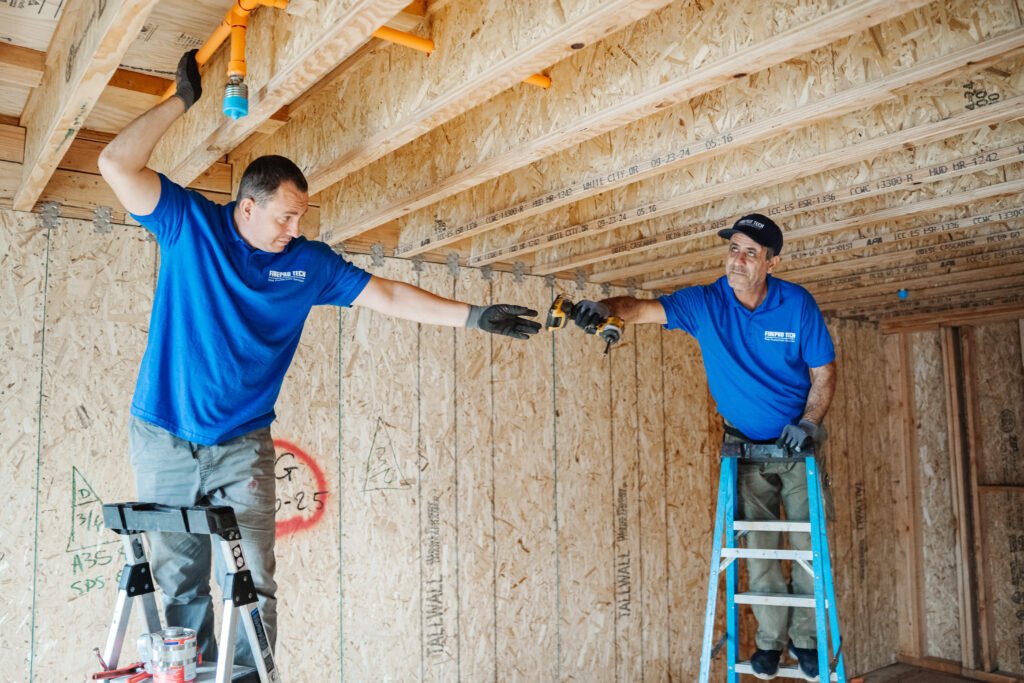
Let’s be honest: every company must pay as much attention to business fire safety as to financial planning or team development. Here are some practical and simple tips to protect your workplace and not to worry about your business space. Look Beyond Basics: Conduct a Comprehensive Fire Risk Assessment Fire risk assessment is the first step towards reliable fire safety for businesses. And it’s not only about fire extinguishers or fire exits. It’s more about hidden dangers. We mean old electrical wiring or overloaded sockets here; they are often a big threat. For buildings with sprinkler systems, it is worth understanding when they are mandatory in commercial buildings. This is not only a safety issue but also a legal compliance issue. Put It in Writing: Build a Fire Safety Plan for Business Without a clear fire safety plan for businesses, it’s impossible to operate effectively. The document should include: Do you own an office or store? Then create a simple and clear fire safety plan for business. It will allow employees to react faster and definitely avoid panic. This plan is a solid foundation of fire safety business has to have. Stay Protected: Install Fire Detection & Suppression Systems Smoke detectors, alarms, and automatic extinguishing systems are the basis of modern protection. But installing them is not enough. The secret here is maintaining and testing them regularly. Different systems require different inspection schedules. For example, there are differences between five-year and annual inspections, as detailed in the comparison of types of fire inspections. These inspections are the key to ensuring that the equipment is in good working order at a critical moment. Train to React: Regular Fire Drills Save Lives Staff training is a practical part of business fire safety. Only through repetition can employees remember evacuation routes and fire behavior rules. Regular drills improve fire safety for small businesses. How? They simply reduce the risk of chaos in a real-life situation. Share Responsibility: Assign Fire Safety Roles Assigning fire safety roles obviously helps maintain discipline and control. When everyone knows their role, fire safety for businesses becomes an effective system, not just a set of rules. This can be easier if it’s a large business (the more employees, the easier it is to assign roles). However, don’t forget that this is part of fire safety for small businesses too. Keep It Clean: How to Prevent Hazards Chaos and clutter often lead to tragedy. How can you avoid it? And what are the most basic rules of fire safety business really needs to follow? These are simple steps, but they are critical to fire safety for businesses. Check the Wires: Monitor Electrical Systems Carefully Old cords or faulty equipment can cause a fire. It is important to perform preventive maintenance, replace damaged cords and check appliances. This is the bare minimum business fire safety. You should combine detailed tests of electrical systems with regular testing of fire suppression systems—this is the only way to be sure that the protection will work at any time, it is the basis of fire safety business really needs. Stay Ahead: Inspect, Review and Stay Compliant Fire safety is not a one-time action. It’s a process. Review your fire safety plan for business from time to time and keep up to date with your state legislation. For reliable business fire safety, trust FirePro Tech: call (818) 860-0166, and we’ll get your business protected quickly. For more helpful tips, check out our Facebook and Instagram.
fire sprinkler insurance specialist
Commercial Fire Protection, Fire Safety Tips, Residential Fire Safety

Why Insurance Companies in California Require Fire Sprinkler Maintenance

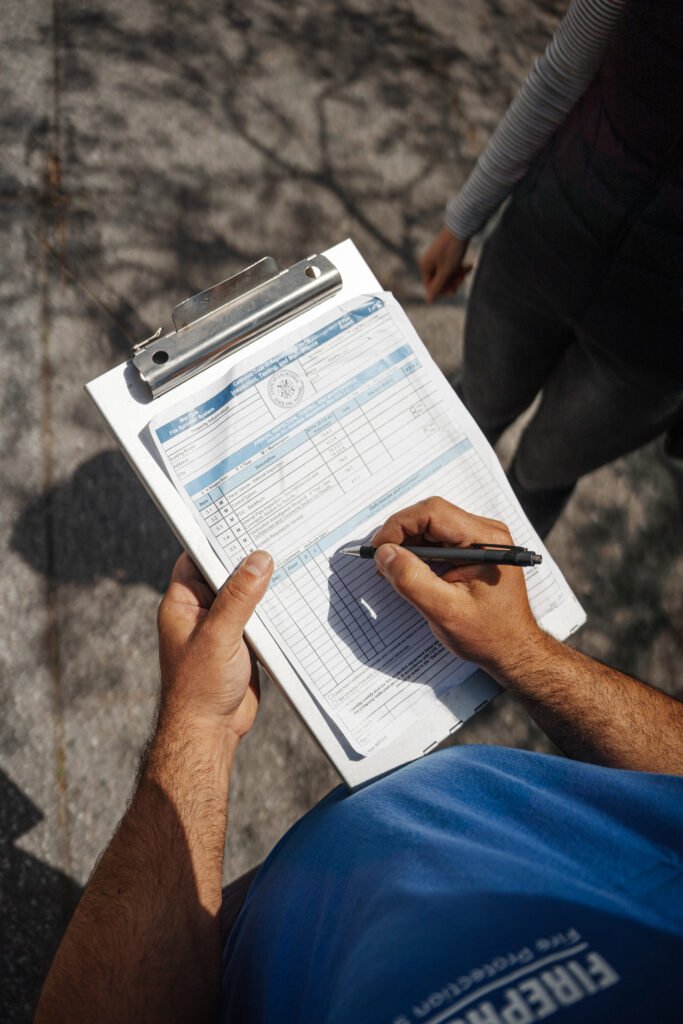
Fire sprinkler insurance in California sounds like a simple safety guarantee. But it’s actually a little more complicated. Many home and business owners believe that if they have a sprinkler, the insurance will always work. In fact, insurers require regular maintenance of the system. Without it, you could face an unexpected insurance denial in the event of a fire. Fire Sprinkler Insurance and Claim Denials Imagine there’s a fire in the office. The sprinkler system seems to be in place. But there is one detail: no one has checked it for the last couple of years. When the insurance company arrives, the specialists immediately notice this: the system may have failed to work in time precisely because of the lack of maintenance. For the insurer, this is reason enough to refuse to pay out. It sounds harsh, but insurers operate by the rules. It’s not only important to them that the system is in place but also that it’s in good working order. If it fails to work due to lack of maintenance, the owner is fully responsible. That’s how fire insurance coverage in California works. Fire Insurance Coverage in California – The Rules California’s commercial fire insurance coverage regulations are quite strict. According to the U.S. Environmental Protection Agency (EPA), the state has to deal with fires more often than other regions of the United States. That’s the reason why fire insurance coverage in California necessarily includes a clause on the technical condition of fire systems. Several basic rules apply here: So, as you see, fire sprinkler insurance is not only a signature in the contract but also an obligation to keep an eye on the equipment. Home Insurance Fire Coverage and Sprinklers Homeowners often think, “I have regular basic insurance, which means I already have a protection.” But home insurance fire coverage is exclusively about sprinklers. If a home has a system, the insurance company expects it to be in good working order. And the only way to prove that it’s in good working order with timely and proper testing. What’s more, serviceable sprinklers can even lower the cost of the insurance. It’s better to minimize all the risks. But if the system is broken and the owner didn’t notice it, the consequences will be unpleasant. Commercial Fire Insurance Coverage Requirements For businesses, the commercial fire insurance coverage requirements are even stricter than for residential homeowners. Commercial fire insurance coverage includes not only sprinklers, but also regular reports on their condition. Larger companies even hire separate service organizations to keep logs of inspections. Imagine a store, a warehouse, or a restaurant. Any system failure here means huge losses. And the insurer is only willing to pay if the owner has proof that he did everything possible to prevent the disaster. So, don’t forget about annual and 5-year inspections to check if everything is still fine with your system. The Cost of Skipping Maintenance Why spend money on skipping maintenance? It’s all working! Well, that’s a common mistake. The cost of this frugal approach can be catastrophic: So, a small saving today turns into a big expense tomorrow. Be careful not only of the requirements for installing a sprinkler system but also of how it behaves in real life afterward. Protect Your Insurance and Your Property Fire sprinkler insurance in California is not just a formality. It is a guarantee that in a critical moment the protection will work and the insurance will cover the losses. To protect yourself, there are three simple steps to remember: have your system inspected at least once a year, keep all inspection records, and only work with licensed companies. To get your system tested, please contact us. That’s exactly what FirePro Tech is: call us at (818) 860-0166, and we’ll be there in no time to make sure you and your system are safe. Our team shares more helpful tips and real-life case studies on our social media channels: Facebook and Instagram. Subscribe to save your property and your nerves safe and sound.

Fire Safety Tips

Stay Compliant in 2025 with Testing Fire Sprinkler Systems

You might ask, is testing fire sprinkler systems really so important? And we will say “Yes!” because it gives you access to both fire safety and permissions from local authorities. Whether you have a commercial space or building a new home, you have to be sure that your property is fire protected. Beyond avoiding fines, these measures save lives and valuable assets. Why Testing Fire Sprinkler Systems Is Vital There is nothing in this world that would react to the starting fire faster than a good fire protection. Therefore fire sprinkler system testing will ensure that this fact is still true for your building. There are a lot of things that could happen to the system starting with corrosion and finishing with mechanical failures. To prevent system from failing and successfully pass all inspections the following is tested: Simply put, testing fire sprinkler systems is not just about compliance—it’s about safety and responsibility. And all different types of sprinkler systems need testing, remember that! Understanding the Fire Sprinkler Inspection Process Professional inspectors follow a systemic process to verify system readiness. Technicians know well how fire sprinkler systems work, so they can check every part of it. And our pros shares what sprinkler system inspection looks like: 1. Visual Inspection Inspectors examine all visible components for damage, corrosion, leaks, or obstructions. They also verify that sprinkler heads are not blocked by paint, dirt, or other physical barriers. 2. Testing Alarm Devices The alarm devices connected to the system are activated to confirm they alarm properly when water flows through the pipes. 3. Main Drain Test This fire sprinkler system test measures water pressure by opening the main drain valve. It ensures that the water supply is strong enough for effective sprinkler performance. 4. Sprinkler Head Inspection Sprinkler heads are checked for dust, corrosion, or accidental tampering. Any defective heads must be replaced immediately. 5. Functional Testing Valves, pumps, and water flow switches undergo fire sprinkler system testing to guarantee functionality in real-world fire conditions. 6. Documentation and Compliance All inspections are logged in The Brycer  Compliance Engine records. Proper documentation ensures legal protection during audits or fire marshal visits. Weekly Inspection Procedures Weekly checks help spot issues early. Facility staff should: It’s just some easy steps for anyone to make a self sprinkler system inspection and make sure it all good. Testing Fire Sprinkler Systems Monthly Monthly inspections are slightly more detailed. How to test fire sprinklers in that case: These regular tasks help identify small issues before they escalate. Quarterly Tests and Inspections Every three months, a deeper fire sprinkler system test is required. This involves: Quarterly inspections provide a comprehensive look at system performance and compliance. Annual Tests and Inspections Annual fire sprinkler system testing is the most comprehensive and is usually performed by licensed professionals. It includes: This is also when documentation is carefully reviewed to meet insurance and fire code requirements. Please check out our professional fire sprinkler testing page for more information. How Often Should I Have My Fire Sprinklers Inspected? The frequency of testing fire sprinkler systems depends on local regulations and building type. However, as a rule of thumb: Following this schedule ensures safety and compliance year-round. Fire Sprinkler Inspection Checklist Here’s a simple checklist to help facility managers and safety officers keep track: Check for defects Look for corrosion, leaks, blocked heads, or physical damage. Test sprinkler system alarm functionality Alarms must sound instantly when triggered during fire sprinkler system testing. Perform the main drain test This crucial step confirms proper water pressure and system readiness. Conclusion With ultimate knowledge how to test fire sprinklers from time to time will keep your property compliant in 2025. But how often should fire sprinkler systems be inspected? It might seem like a lot of inspections, but with a proper schedule and FirePro Tech as your protection contractor all of them will be easy and almost effortless. Write down our number (818) 860-0166 to schedule your system testing and avoid any anxiety! Also visit our Instagram and Facebook pages to learn more about insurance and local requirements for fire protection.