FirePro Tech

Author name: fuse

Residential Fire Safety

Do Fire Sprinklers Detect Smoke and Other Myths

You definitely have seen a lot of different sprinkler systems throughout your life. And if you or your children ever wondered “do sprinklers detect smoke?”, you’re going to find the answer in this article. At FirePro Tech we want to raise the fire protection awareness and explain questions like “do fire sprinklers detect smoke?” in easy terms. In this article you will learn what is actually activating the fire sprinkler and other secrets and myths about fire protection systems.   Do Sprinklers Detect Smoke or Heat? It’s a very common question: do sprinklers detect smoke or heat? People usually ask that since they know such things as smoke detectors exist and they are often installed in fire protection systems. However, fire sprinklers don’t detect smoke itself — they detect heat. You can even learn what temperature sets off fire sprinklers in our guide here and try to guess how much smoke alone you need to achieve such temperature.  You might be curious why not do sprinklers detect smoke? Usually, smoke detectors trigger at the slightest smoke activity, so your cooking pot might activate it during a safe daily routine. Still, it’s important to remember that a smoke detector and sprinkler system is a great bundle for your fire protection. Another popular question among homeowners is quite specific: do ceiling sprinklers detect smoke? And again, they don’t. Like any other sprinkler system they are also activated only by heat. Meanwhile, there is a smoke detector and sprinkler system combination that can enhance fire protection significantly. The smoke detector warns people about danger, launching an alarm sound. This ensures quick response and effective evacuation. The sprinklers, on the other hand, control and extinguish flames if the fire grows large enough. So, after all, the answer to the question “do fire sprinklers detect smoke?” is a solid “No!”. Only high heat can activate them, and there is no other way to create it than real fire. What Temperature Sets Off Fire Sprinklers? Now it’s clear that fire sprinklers detect heat instead of smoke, it’s time to understand what temperature sets off fire sprinklers. For most sprinkler systems the quick answer is from 135°F to 165°F. The numbers include that the sprinkler system may be installed in different rooms, both colder or hotter. So how exactly does the sprinkler system detect heat? Sprinkler heads contain heat-sensitive bulbs or fusible links. A special material in there physically melts or bursts when heated to the mentioned temperatures. Chemistry and physics couldn’t be hacked, so such an engineering solution minimizes false alarms while maximizing life safety. Of course there are places where the temperature of the air is constantly higher than in other rooms: kitchen, garages and attics. If you need an answer to what temperature sets off fire sprinklers there, then it’s 200°F or higher if special sprinkler heads are installed there. At FirePro Tech we can handle a sprinkler system inspection and specify if this is your case.  Common Myths About Fire Sprinklers Fire sprinklers save lives, yet myths discourage many from installing them. Here are the facts you should know: Myth #1: Sprinklers go off all at once. Movies often show every sprinkler activating simultaneously. In reality, each sprinkler head responds independently. Fire is usually controlled by the sprinkler closest to the heat source. Myth #2: Smoke alone triggers sprinklers. Many people ask “do ceiling sprinklers detect smoke” or “do sprinklers detect smoke?” Not at all — sprinklers activate only from heat. Smoke detectors handle early warning. Myth #3: Sprinklers cause water damage worse than the fire. Sprinklers release far less water than firefighters’ hoses. Unlike firefighters, sprinklers are actually there when fire is still small and can be controlled. At that point a quick response of a fire protection system will simply reduce overall damage dramatically. Myth #4: Putting a smoke detector and sprinkler systems is overprotecting Actually, they work best together. Smoke alarms can warn people inside about the danger, while the sprinkler system covers the flame before it spreads.  Myth #5: Sprinklers are expensive and unnecessary in small buildings. Today’s systems are cost-effective and often required by building codes because they drastically reduce loss of life and property damage.  How to Choose the Best Fire Sprinkler System Selecting the right sprinkler system depends on your building type, risk level, and local fire codes. At FirePro Tech, we guide customers through these essential factors: 1. Building Type and Layout Size matters when it comes to fire sprinklers. And building type matters as well. Different buildings are used for various needs, so to achieve the maximum protection and avoid overpaying it’s crucial to understand ceiling height, floor area, and occupancy. 2. System Type It influences the way your system works. There are several major system types: 3. Sensitivity and Response Time While people often ask “do sprinklers detect smoke or heat?” the real focus should be on how fast the system detects heat and activates. Quick-response heads are ideal for residential and commercial buildings. 4. Integration With Alarms You can install both a smoke detector and sprinkler system to enhance your protection. Early alert might save people inside from severe injuries and fire suppression from major damage.  5. Compliance and Maintenance Better safe than sorry, so calling for maintenance will ensure the system won’t let you down when you need it most. How to Choose the Best Fire Sprinkler System Choosing the right system matters — whether you’re protecting a home, office, or commercial facility. And the best decision is to consult an experienced professional. At FirePro Tech we offer fully tailored fire sprinkler services, from design to installation. You can learn a lot by reviewing our articles: Staying informed helps to answer the question “do fire sprinklers detect smoke?”, ensure your building meets safety codes and is protected by a reliable, modern system.
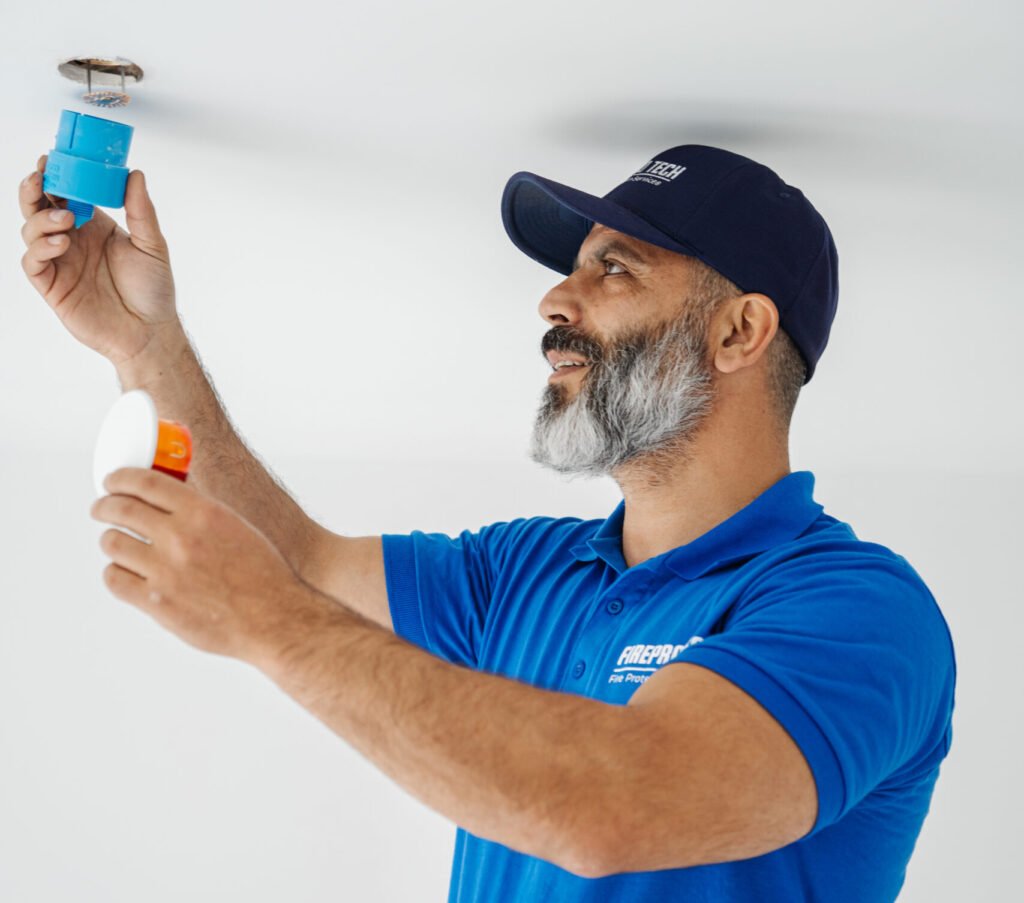
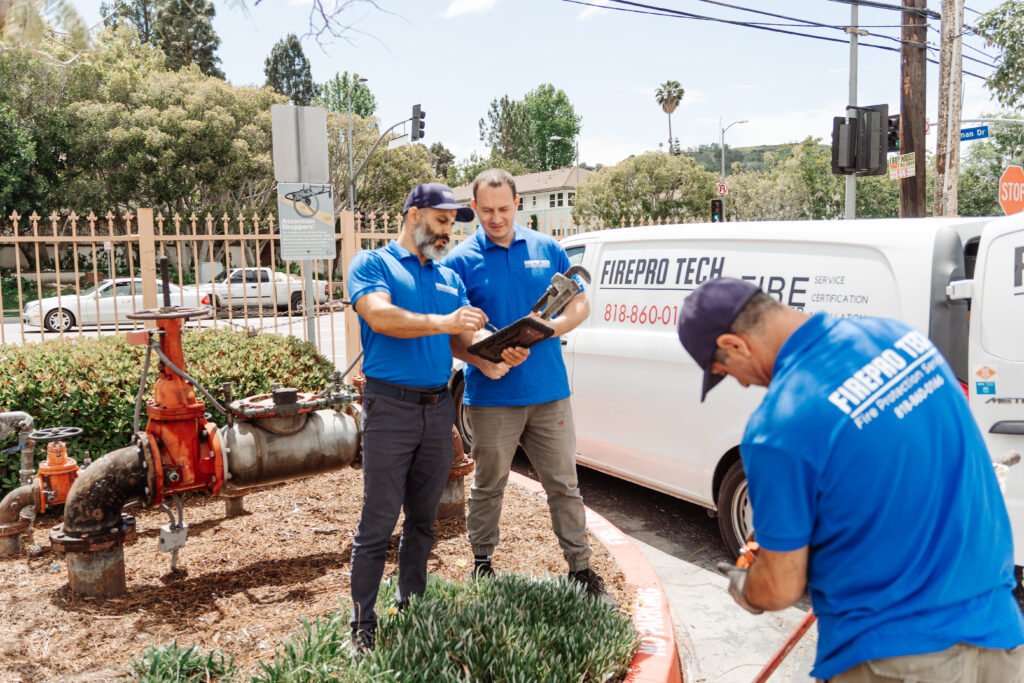
Technician turns off a sprinkler system
Sprinkler Systems

How to Turn Off One Sprinkler Head

At FirePro Tech we know how much harm can be caused by the accidentally opened sprinkler head by releasing water. Knowing how to turn off one sprinkler head quickly can help minimize water damage and restore safety. This guide is made to help you learn everything about locating active sprinklers and the fire sprinkler system shut off valve so you can safely switch the water flow.  How to Identify Which Sprinkler Head Is Activated Before you know how to turn off one sprinkler head you should find out which one is actually active. Unless your system opens all sprinkler heads at once, there will be only one head spreading the water since most sprinklers are designed to respond individually to heat or physical damage. You can learn more about different types of sprinkler systems here.  Now you know which head is the root of the problem, you can move quickly to shut it off by using one of our best methods.  How to Locate the Fire Sprinkler Shut Off Valve Every building’s sprinkler system has a fire sprinkler system shut off valve that controls the water supply. Actually, this valve is a main control point for the entire system. Learn how the fire sprinkler works, so you can easily recognize its parts.  Here’s where to look: Once you find a fire sprinkler system shut off valve, try to identify whether it has control over different zones or over the whole system. By switching off the valve that controls multiple areas you’ll leave them without water supply, so stay cautious.  How to Turn Off a Fire Sprinkler Head Without Tools Good news – you don’t have to be fully equipped with professional tools to know how to turn off sprinkler head and do it successfully. Here is how: And that’s it! Of course, if your sprinkler head keeps activating randomly, you should call a trusted contractor like FirePro Tech. How to Turn Off a Sprinkler Head Using a Shutgun or Wrench A shutgun is a special tool made for sealing the orifice of an activated sprinkler head instantly. This device, just like  a wrench, can be a big advantage when deciding how to turn off the sprinkler system.  Here’s how to use it: A wrench can also help you: Both shutgun and wrench will stop the water flow from the sprinkler. However, you still have to switch off a water supply and call for a professional to bring the system back to a reliable state. What to Do After Turning Off the Sprinkler Head When the threat is eliminated, there are a few things you can do to ensure safety: That’s what you do after learning how to turn off the sprinkler system. If you turn off the system manually, make sure to test and verify that other sprinklers remain functional. When to Call a Fire Sprinkler Contractor for Help When it comes to safety it’s never a bad decision to call an expert. Especially, if your system accidentally switches on without an obvious threat. At FirePro Tech we have expertise, experience and tools to cover all fire sprinkler problems: Before leaving, we will make sure your system is ready to protect you and your property in case of an actual fire. You can find everything you need about system testing here. Final Thoughts When you know how to act in situations when the sprinkler head activates accidentally, you can prevent the costly damage it may cause. Remember to be careful and caution when stopping water supply. And always contact FirePro Tech to schedule a professional service which will make your system reliable and safe as it should. 

Tech explains fire sprinkler maintenance schedule
Fire Sprinkler Test

Home Fire Sprinkler System Maintenance Tips

Relying on your sprinkler system that had been there for 5 years without attention is a bad idea. Systems without maintenance usually filled with dirt, have a low water pressure and can even not activate in a case oа emergency. So regular and simple checks and maintenance can prove your system is always ready to fight for you.  Why Fire Sprinkler Maintenance Is Important for Your Home Unlike common belief that fire sprinklers require no maintenance at all, this is a crucial element to support your fire protection. Dust, corrosion and accidental damage can be concealed deeply inside the system and interrupt the extinguishing process in the worst moment. So regular residential fire sprinkler maintenance ensures that valves, pipes, and sprinklers work as clockwork. In addition, many insurance companies require inspected sprinklers in houses, you can find out more here. And among fire sprinkler maintenance companies in CA, FirePro Tech is the best for inspections and maintenance of your sprinkler system.   How Often Should You Inspect Your Home Fire Sprinkler System? If you want a quick answer, we recommend the following home fire sprinkler system maintenance schedule:  This is the easiest way to notice upcoming problems before they’ll harm your system. We have a full article about system inspection, so if you need more details look there! Essential Fire Sprinkler Maintenance Steps for Homeowners If you have both a house and sprinkler system you’ll find these residential fire sprinkler maintenance tips pretty useful. Check Water Pressure and Valves Regularly First of all, even if it sounds ridiculous, check if the system is ON and ready to activate in case of fire. Just a brief look can save your life and property. In addition, you can use a special padlock to secure the valve and by that prevent accidental shutoffs. Reduced water pressure, on the other side, is a major issue. If it’s your problem, contact FirePro Tech — your trusted residential and commercial fire sprinkler maintenance company, so we can investigate what causes low pressure. Learn more about fire sprinkler costs in our article. Inspect Sprinkler Heads for Damage or Obstruction Don’t let your sprinkler heads get damaged or covered by anything. Therefore, make sure there is no corrosion, paint, or physical damage. Never paint sprinkler heads, and warn the painter iа you hire them that they shouldn’t cover them. And do not hang any decorations, even the smallest ones, on sprinkler hands, because you can accidentally damage sensitive parts or block water supply.  Test Alarms, Flow Switches, and Control Valves Another step in home fire sprinkler system maintenance is testing alarms and switches. Check both periodically to ensure they trigger correctly. This is quite important, since an alarm alerts both you and the fire department if fire occurs. Examine Pipe Fittings and Look for Leaks Leaks and moisture around your house may be a worrying sign of damaged fittings. While it seems minor, with time the damage from rust will only drop the water pressure more and more. Reliable fire sprinkler maintenance companies can help you get rid of sprinkler leaks. Maintain Proper Clearance Around Sprinkler Heads Take a smart approach to your home design. Keep a minimum of 18 inches of clearance below each sprinkler head and remember to place your furniture and decorative elements  so they don’t reduce the coverage.  Simple Fire Sprinkler Maintenance Tasks You Can Do Yourself Of course, a professional fire sprinkler contractor would offer you a comprehensive service, but there are some things that you can start with on your own: Keep Valves in the ON Position As mentioned earlier, make sure all valves remain open. Lock them in place to avoid accidental closure, and perform a quick visual check monthly. Avoid Hanging or Painting Sprinkler Heads Never hang anything on sprinklers, not even temporarily. Doing so can damage them or block water distribution. Likewise, don’t paint sprinklers — paint can clog the nozzle and prevent proper operation. Teach Family Members Fire Sprinkler Safety Even though it might be obvious, it’s crucial to educate every member of the family and especially children on fire protection. Explain that a fire sprinkler system is a safety measure, not a decorative element. Everyone should know that it shouldn’t be touched or played with.  When to Call a Certified Fire Sprinkler Contractor Simple self-inspection and maintenance can be useful to avoid costly sprinkler repairs. Nevertheless, it’s still important to hire a professional residential and commercial fire sprinkler maintenance company at least annually. Get to know about professional fire sprinkler testing procedures. Сontact us in case you’ve noticed any damage or leaks, so we can promptly address the issue. At FirePro Tech we have superior tools to inspect and maintain your system and bring it to the state as if it was just manufactured.  Conclusion Now you know that fire sprinkler system maintenance is just a simple procedure that safeguards your home from fire hazards. Professional attitude in combination with regular checks and inspections ensures that your system won’t let you down. With FirePro Tech your home’s sprinkler system will remain effective and ready to protect your loved ones. Remember, sprinklers are not complicated — so don’t worry!

business fire safety experts
Commercial Fire Protection, Fire Safety Tips

10 Fire Safety Business Tips to Protect Your Workplace

Let’s be honest: every company must pay as much attention to business fire safety as to financial planning or team development. Here are some practical and simple tips to protect your workplace and not to worry about your business space. Look Beyond Basics: Conduct a Comprehensive Fire Risk Assessment Fire risk assessment is the first step towards reliable fire safety for businesses. And it’s not only about fire extinguishers or fire exits. It’s more about hidden dangers. We mean old electrical wiring or overloaded sockets here; they are often a big threat. For buildings with sprinkler systems, it is worth understanding when they are mandatory in commercial buildings. This is not only a safety issue but also a legal compliance issue. Put It in Writing: Build a Fire Safety Plan for Business Without a clear fire safety plan for businesses, it’s impossible to operate effectively. The document should include: Do you own an office or store? Then create a simple and clear fire safety plan for business. It will allow employees to react faster and definitely avoid panic. This plan is a solid foundation of fire safety business has to have. Stay Protected: Install Fire Detection & Suppression Systems Smoke detectors, alarms, and automatic extinguishing systems are the basis of modern protection. But installing them is not enough. The secret here is maintaining and testing them regularly. Different systems require different inspection schedules. For example, there are differences between five-year and annual inspections, as detailed in the comparison of types of fire inspections. These inspections are the key to ensuring that the equipment is in good working order at a critical moment. Train to React: Regular Fire Drills Save Lives Staff training is a practical part of business fire safety. Only through repetition can employees remember evacuation routes and fire behavior rules. Regular drills improve fire safety for small businesses. How? They simply reduce the risk of chaos in a real-life situation. Share Responsibility: Assign Fire Safety Roles Assigning fire safety roles obviously helps maintain discipline and control. When everyone knows their role, fire safety for businesses becomes an effective system, not just a set of rules. This can be easier if it’s a large business (the more employees, the easier it is to assign roles). However, don’t forget that this is part of fire safety for small businesses too. Keep It Clean: How to Prevent Hazards Chaos and clutter often lead to tragedy. How can you avoid it? And what are the most basic rules of fire safety business really needs to follow? These are simple steps, but they are critical to fire safety for businesses. Check the Wires: Monitor Electrical Systems Carefully Old cords or faulty equipment can cause a fire. It is important to perform preventive maintenance, replace damaged cords and check appliances. This is the bare minimum business fire safety. You should combine detailed tests of electrical systems with regular testing of fire suppression systems—this is the only way to be sure that the protection will work at any time, it is the basis of fire safety business really needs. Stay Ahead: Inspect, Review and Stay Compliant Fire safety is not a one-time action. It’s a process. Review your fire safety plan for business from time to time and keep up to date with your state legislation. For reliable business fire safety, trust FirePro Tech: call (818) 860-0166, and we’ll get your business protected quickly. For more helpful tips, check out our Facebook and Instagram.

fire sprinkler insurance specialist
Commercial Fire Protection, Fire Safety Tips, Residential Fire Safety

Why Insurance Companies in California Require Fire Sprinkler Maintenance

Fire sprinkler insurance in California sounds like a simple safety guarantee. But it’s actually a little more complicated. Many home and business owners believe that if they have a sprinkler, the insurance will always work. In fact, insurers require regular maintenance of the system. Without it, you could face an unexpected insurance denial in the event of a fire. Fire Sprinkler Insurance and Claim Denials Imagine there’s a fire in the office. The sprinkler system seems to be in place. But there is one detail: no one has checked it for the last couple of years. When the insurance company arrives, the specialists immediately notice this: the system may have failed to work in time precisely because of the lack of maintenance. For the insurer, this is reason enough to refuse to pay out. It sounds harsh, but insurers operate by the rules. It’s not only important to them that the system is in place but also that it’s in good working order. If it fails to work due to lack of maintenance, the owner is fully responsible. That’s how fire insurance coverage in California works. Fire Insurance Coverage in California – The Rules California’s commercial fire insurance coverage regulations are quite strict. According to the U.S. Environmental Protection Agency (EPA), the state has to deal with fires more often than other regions of the United States. That’s the reason why fire insurance coverage in California necessarily includes a clause on the technical condition of fire systems. Several basic rules apply here: So, as you see, fire sprinkler insurance is not only a signature in the contract but also an obligation to keep an eye on the equipment. Home Insurance Fire Coverage and Sprinklers Homeowners often think, “I have regular basic insurance, which means I already have a protection.” But home insurance fire coverage is exclusively about sprinklers. If a home has a system, the insurance company expects it to be in good working order. And the only way to prove that it’s in good working order with timely and proper testing. What’s more, serviceable sprinklers can even lower the cost of the insurance. It’s better to minimize all the risks. But if the system is broken and the owner didn’t notice it, the consequences will be unpleasant. Commercial Fire Insurance Coverage Requirements For businesses, the commercial fire insurance coverage requirements are even stricter than for residential homeowners. Commercial fire insurance coverage includes not only sprinklers, but also regular reports on their condition. Larger companies even hire separate service organizations to keep logs of inspections. Imagine a store, a warehouse, or a restaurant. Any system failure here means huge losses. And the insurer is only willing to pay if the owner has proof that he did everything possible to prevent the disaster. So, don’t forget about annual and 5-year inspections to check if everything is still fine with your system. The Cost of Skipping Maintenance Why spend money on skipping maintenance? It’s all working! Well, that’s a common mistake. The cost of this frugal approach can be catastrophic: So, a small saving today turns into a big expense tomorrow. Be careful not only of the requirements for installing a sprinkler system but also of how it behaves in real life afterward. Protect Your Insurance and Your Property Fire sprinkler insurance in California is not just a formality. It is a guarantee that in a critical moment the protection will work and the insurance will cover the losses. To protect yourself, there are three simple steps to remember: have your system inspected at least once a year, keep all inspection records, and only work with licensed companies. To get your system tested, please contact us. That’s exactly what FirePro Tech is: call us at (818) 860-0166, and we’ll be there in no time to make sure you and your system are safe. Our team shares more helpful tips and real-life case studies on our social media channels: Facebook and Instagram. Subscribe to save your property and your nerves safe and sound.

Fire Safety Tips

Stay Compliant in 2025 with Testing Fire Sprinkler Systems

You might ask, is testing fire sprinkler systems really so important? And we will say “Yes!” because it gives you access to both fire safety and permissions from local authorities. Whether you have a commercial space or building a new home, you have to be sure that your property is fire protected. Beyond avoiding fines, these measures save lives and valuable assets. Why Testing Fire Sprinkler Systems Is Vital There is nothing in this world that would react to the starting fire faster than a good fire protection. Therefore fire sprinkler system testing will ensure that this fact is still true for your building. There are a lot of things that could happen to the system starting with corrosion and finishing with mechanical failures. To prevent system from failing and successfully pass all inspections the following is tested: Simply put, testing fire sprinkler systems is not just about compliance—it’s about safety and responsibility. And all different types of sprinkler systems need testing, remember that! Understanding the Fire Sprinkler Inspection Process Professional inspectors follow a systemic process to verify system readiness. Technicians know well how fire sprinkler systems work, so they can check every part of it. And our pros shares what sprinkler system inspection looks like: 1. Visual Inspection Inspectors examine all visible components for damage, corrosion, leaks, or obstructions. They also verify that sprinkler heads are not blocked by paint, dirt, or other physical barriers. 2. Testing Alarm Devices The alarm devices connected to the system are activated to confirm they alarm properly when water flows through the pipes. 3. Main Drain Test This fire sprinkler system test measures water pressure by opening the main drain valve. It ensures that the water supply is strong enough for effective sprinkler performance. 4. Sprinkler Head Inspection Sprinkler heads are checked for dust, corrosion, or accidental tampering. Any defective heads must be replaced immediately. 5. Functional Testing Valves, pumps, and water flow switches undergo fire sprinkler system testing to guarantee functionality in real-world fire conditions. 6. Documentation and Compliance All inspections are logged in The Brycer  Compliance Engine records. Proper documentation ensures legal protection during audits or fire marshal visits. Weekly Inspection Procedures Weekly checks help spot issues early. Facility staff should: It’s just some easy steps for anyone to make a self sprinkler system inspection and make sure it all good. Testing Fire Sprinkler Systems Monthly Monthly inspections are slightly more detailed. How to test fire sprinklers in that case: These regular tasks help identify small issues before they escalate. Quarterly Tests and Inspections Every three months, a deeper fire sprinkler system test is required. This involves: Quarterly inspections provide a comprehensive look at system performance and compliance. Annual Tests and Inspections Annual fire sprinkler system testing is the most comprehensive and is usually performed by licensed professionals. It includes: This is also when documentation is carefully reviewed to meet insurance and fire code requirements. Please check out our professional fire sprinkler testing page for more information. How Often Should I Have My Fire Sprinklers Inspected? The frequency of testing fire sprinkler systems depends on local regulations and building type. However, as a rule of thumb: Following this schedule ensures safety and compliance year-round. Fire Sprinkler Inspection Checklist Here’s a simple checklist to help facility managers and safety officers keep track: Check for defects Look for corrosion, leaks, blocked heads, or physical damage. Test sprinkler system alarm functionality Alarms must sound instantly when triggered during fire sprinkler system testing. Perform the main drain test This crucial step confirms proper water pressure and system readiness. Conclusion With ultimate knowledge how to test fire sprinklers from time to time will keep your property compliant in 2025. But how often should fire sprinkler systems be inspected? It might seem like a lot of inspections, but with a proper schedule and FirePro Tech as your protection contractor all of them will be easy and almost effortless. Write down our number (818) 860-0166 to schedule your system testing and avoid any anxiety! Also visit our Instagram and Facebook pages to learn more about insurance and local requirements for fire protection. 

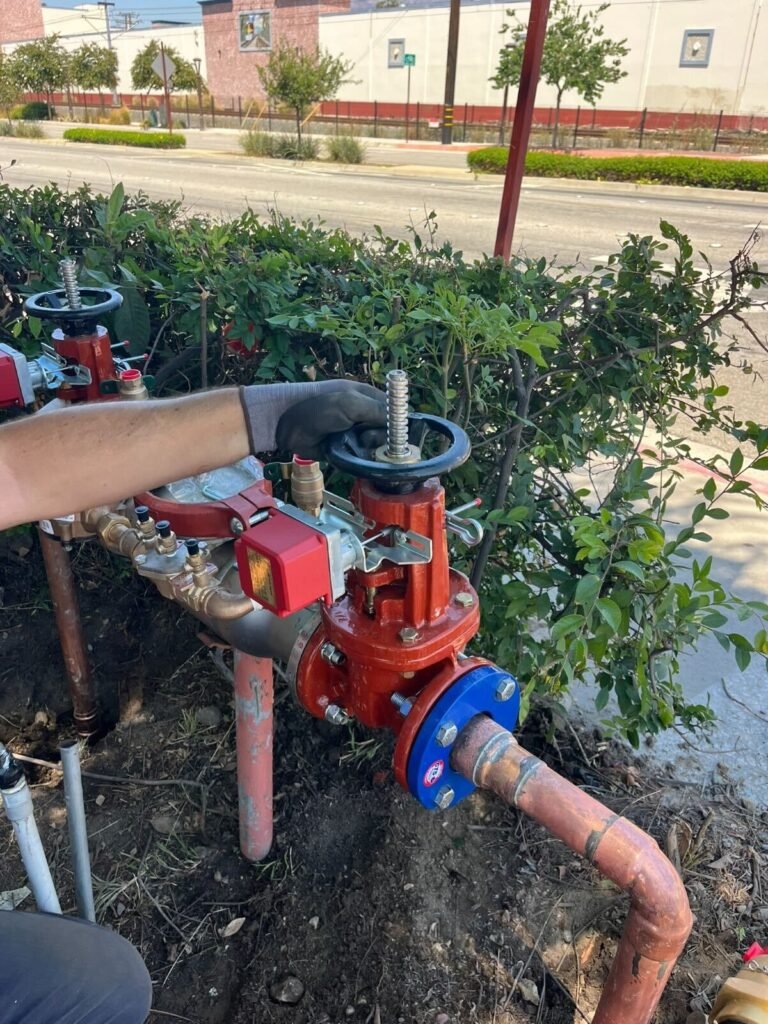
osy valve installation
Fire Safety Tips, Sprinkler Components

OS&Y Valve Function in Fire Protection Control

How can we say for sure if the water path is open in the sprinkler or not? The answer is the OS&Y valve. It stands for outside screw and yoke.  Let’s learn more about this detail. Is it so important when installing fire protection equipment and what should be considered when renovating? Why an OS&Y Valve Controls Access to Water in Fire Protection? How does it work? The valve stem is visible from the outside. It’s easy to tell by its position whether it is open or closed. The stem is up and an OS&Y is in the open position if water can flow. On the contrary, when it’s down, there’s no access.  Just for comparison, it is not so easy to understand the state in other types of valves. This is why OSY valves have become a true standard in fire protection. How Does an OS&Y Gate Valve (Outside Screw and Yoke) Work? The OSY valve (sometimes called OS&Y valve) stands for outside screw and yoke. Basically, it’s a valve with a visible stem. When you turn the handwheel, the stem moves up (the path for water is open) or down (closed). There are different types of valves, such as ball valves or butterfly valves. But all of them are not so visually informative. Here, visual control is built right into the design. Why OS&Y Valves Are Commonly Used as Control Valves Any contractor appreciates OS&Y valves because of their simplicity. That’s because you don’t have to guess or disassemble the system. Just a quick glance can help you see the position. Plus, this type meets most NFPA requirements. So if you want a stress-free inspection, this is definitely the valve to get. Key Benefits of OS&Y Valves—Reliable Water Supply Control Let’s summarize what has been said above. It looks like this valve has a pretty impressive list of pros: You may still have a question: how can the OSY valve relate to other fire sprinkler system components, such as sprinkler heads? No worries; you can read which head is best to choose in our article Fusible Link Sprinkler Head vs Glass Bulb Types—there’s a lot of useful information there too. Inspection, Testing, and Maintenance of an OS&Y Valve Inspectors love these valves because the inspection takes minutes (literally). All you need to do is make sure the stem is in the correct position and there is no corrosion. As you may recall, OS&Y is in the open position if all is well and water can flow freely to the outside. However, despite their simplicity, such elements require regular maintenance services. This is what keeps the system running smoothly. If you’re in CA right now, reach out to our FirePro Tech experts with any OS&Y valve issue. They will not only help you but will also explain everything in detail if you have any questions. How to Properly Inspect an OS&Y Valve The inspection process is simple, but it’s best to follow a checklist: Sometimes it is also a good idea to flush the valve to remove possible sediment. And to understand why this is important for the whole installation, it is worth understanding how a fire sprinkler works as a whole system. Testing and Ongoing Maintenance of OS&Y Valves Testing the OSY valves involves a complete cycle: close the OSY valve, then open it again. This method shows if there is no seizure. It is also recommended to lubricate the threads once a year and do a visual check. This is cheap and helps you avoid a lot of stress. So, if you by any chance need our help with OSY valves (or any other part of the system), call FirePro Tech at (818) 860-0166. Why OSY Valve Is Essential for Sprinkler and Standpipe Systems No outside screw and yoke valves? Well, the system will not be able to pass inspection and comply with regulations. This is key in residential buildings, where inspectors scrutinize every detail. That is why the outside screw and yoke are considered mandatory elements. It is like proof that the condition of the valve can always be determined visually. And this means that the fire protection will work without delays. How to Tell if an OSY Valve Is in the Open Position To tell if a valve is open, you only need to look at its construction. With the outside screw and yoke type, the stem is always visible from the outside. If it is up and the threads are clearly visible, it is a sure sign that the valve is in the open position. This means that water is flowing freely into the system. This simple visual inspection makes the OS&Y valve easy to inspect and maintain. By the way, we often share these practical tips on Instagram and discuss real-life examples on Facebook together with contractors and fire safety experts—join us there to keep in touch!

How to fire sprinklers work from professionals' point of view
Sprinkler Components, Sprinkler Systems

How Does Fire Sprinkler Work

Understanding how fire sprinklers work is not only crucial for fire safety professionals. Every homeowner and tenant needs this knowledge. Let’s look at this mechanism together and find out how a fire sprinkler works in your property. How does fire sprinkler work? Well, fire sprinkler operation depends on the heat. Every sprinkler reacts to high temperatures, but not all the sprinkler heads react at the same time. Only the one closest to the source of the heat activates first and sprays water under pressure. This way, the flames get caught and the entire room doesn’t end up flooded. And yet, how do fire sprinkler heads work? In short, they work locally: the system doesn’t open all the heads at once, but only those that are close to the risk. How Are Fire Sprinklers Activated? The sprinkler mechanism operates thanks to a heat-sensitive element. Most models use: The element (whatever it is) collapses as soon as the temperature reaches up to 165°F. This releases the valve. The pressurized water then immediately rushes out. This, as you can see, results in a fast and precise response to a fire. Water Supply and Deactivation of Fire Sprinklers How Fire Sprinkler Water Supply Works Important note here: a water source connection is usually a must. City mains is the best option for residential homes. Larger facilities, in their turn, often have tanks and pumps. The water is piped and pressurized. Pressure ensures that a triggered sprinkler will release the spray instantly. Steps for Deactivation After Sprinklers Work After activation, it is necessary to manually deactivate the system: Types of Fire Sprinkler Systems Wet Pipe Sprinkler Systems This is a super popular type of a fire sprinkler mechanism. How do fire sprinkler heads work here? As we described just above. The pipes are constantly filled with water. When the head is triggered, the liquid is immediately spurted out. It is a perfect choice for residential buildings. Dry Pipe Sprinkler Systems What’s the main difference between wet pipe and dry pipe sprinklers? In this case, the pipes are full of air (or nitrogen sometimes). No water before the heat. The dry valve opens because of the heat and releases water. So, there is a slight 2-sec delay. Components of Fire Sprinkler Systems Sprinkler Heads They are the central elements of the system. There are pendant, upright, and sidewall heads. Each has a sprinkler to spray water evenly. Also, there are two types of heads, link sprinkler heads and glass bulb sprinklers, which look alike but still are very different during emergencies. Water Pipes These pipes carry water to each head. Material can differ due to the type of the facility: it can be steel or copper. Sometimes they use CPVC for residential homes. Main Control Valve This regulates the water supply to the mains. Always keep it open! And, of course, remember you should protect it against unauthorized shut-off. Fire Alarm System Almost any modern fire sprinkler mechanism comes with an alarm monitoring system: as soon as activated, an alarm sounds. This alarm sends a message to the fire department and triggers an alert for the people inside the building. What Happens if Fire Sprinklers Work Accidentally? Sometimes fire sprinkler operation can be a little bit off. But there is always a reason! Don’t try to replace your sprinkler system after something went wrong (by the way, do you know how much it costs?). First, get to know why it hapened. Here, for example, are the main causes: What should you do in such a case? First, shut off the water as soon as you can. Your second step is calling a contractor, such as FirePro Tech, and fixing the moisture while waiting for them.  What to Do if Fire Sprinklers Don’t Work Properly? If the head has not worked properly in a fire, it is extremely dangerous. Usually the problem lies in a clog or incorrect temperature rating. It’s really easy to fix. But sometimes it’s in valve malfunctions and we have to replace it. The best way to avoid this is regular maintenance (and don’t forget about a 5-year inspection) with a professional contractor. Best Practices for Fire Sprinkler Installation and Maintenance How do fire sprinklers work without interruptions? Checklist! Mentally check the boxes if you: Common Fire Sprinkler Myths Debunked Myth number one: the heat triggers all heads at once. But that’s obviously not true. As you already know, only the one that is heated can be active. Another myth is that smoke can trigger the system. In reality, smoke has no effect on anything. The sprinkler reacts solely to heat. And third, people often say water is more harmful than fire. But actually water consumption in this case is minimal. And the best part of it is that it localizes the fire faster than fire hoses. Conclusion: Why Understanding How Do Fire Sprinklers Work Matters Now you know how fire sprinklers work and what elements affect their reliability. These systems save lives and reduce fire damage. But their effectiveness depends directly on proper installation and regular maintenance. By the way, you can find them among our services. What you need is just to call at (818) 860-0166 and find out the workload of our techs. And while you’re listening to the dial tone on your phone, we invite you to subscribe to our Facebook and Instagram. Let’s be friends and figure out how does fire sprinkler work together.

FirePro Tech team knows when are fire sprinklers required in residential buildings
Fire Safety Tips, Residential Fire Safety

Understanding the Requirements for Fire Sprinklers in Residential Buildings

A tricky question: when are fire sprinklers required in residential buildings? It’s tricky because the rules really differ from state to state. Let’s explore some of them to avoid fines and, more importantly, keep people safe. California (like any other US state basically) has its own fire sprinkler code requirements. So, how does California fire sprinkler law work? It requires the system installation even in new one-story homes. This is all due to the high density of buildings and the risk of rapid fire spread. What Are Sprinkler Systems?  In short, a sprinkler system is an automatic fire extinguishing mechanism and the main trigger for it is high temperature. First, you hook it up to the water supply. After that, it sprays water. It happens only when a special detector feels extreme heat (like there’s a fire).  Benefits of Sprinkler Systems Installing fire sprinklers residential systems in your home offers a big number of undeniable advantages: When Are Fire Sprinklers Required in Residential Buildings? However, when are fire sprinklers required in residential buildings? The answer to this question lies in both general building regulations and local legislation. In most cases, installation is mandatory in: California fire sprinkler requirements are quite strict. They apply even in homes larger than 1,000 square feet. And this came as a surprise to many homeowners who want to pass any kind of inspections.   Legal Requirements for Sprinklers in Residential Buildings California fire sprinkler law stipulates that any new residential property must have a sprinkler system. Exceptions are rare, so don’t even worry about them. Residential sprinkler system requirements don’t apply only to tiny buildings. Fire Sprinklers in Condos, Townhouses, and Multi-family Residences Residential sprinkler system requirements in residential buildings are even stricter if several families live there at once. And this is understandable: more people means greater responsibility. In this case it’s important to consider not only the floor space. The layout (e.g., the number of exits, staircases, and common areas) also plays an important role here. Key Factors That Determine Sprinkler Requirements Building Height In buildings with three or more floors, sprinklers are almost always mandatory. That’s because evacuation is more difficult from tall buildings. Building Size A large area increases the risk of rapid fire spread. That is why fire sprinklers residential systems are mandatory in most states for homes over 1,000–1,500 square feet. Type of Construction Wooden structures require more stringent protective measures than concrete or brick structures. Occupancy Type The more people living in a building, the higher the likelihood of fire is. This means a greater danger during evacuation. And a greater necessity of fire sprinklers residential systems, of course. Water Supply Requirements for Residential Sprinkler Systems First of all, you need to make sure you have enough water pressure, in most cases, it must be at least 50 psi.  Don’t skimp on this! And keep in mind that sometimes you’ll need to install a separate pump or tank. Additional Recommendations for Residential Sprinkler Systems Sometimes it is not mandatory by law to install the fire sprinkler residential system. However, experts advise doing so in: Yes, it is not required by law, but it’s the best way to avoid other safety violations. And these, in turn, can result in tragedy.   Why Choose FirePro Tech for Your Residential Sprinkler Needs? FirePro Tech offers a full range of services: design, installation, and maintenance of residential fire sprinklers. We work in accordance with all California fire sprinkler requirements and select the optimal solution for each home. Our specialists will help you understand when fire sprinklers are required in residential buildings. So, be sure we will install the system as soon as possible. We do not recommend testing the limits of the CA law or the safety of your premises. Order sprinkler installation from the best contractor in your area right now at (818) 860-0166 to be sure about tomorrow. And, of course, don’t forget to follow us on Facebook and Instagram.

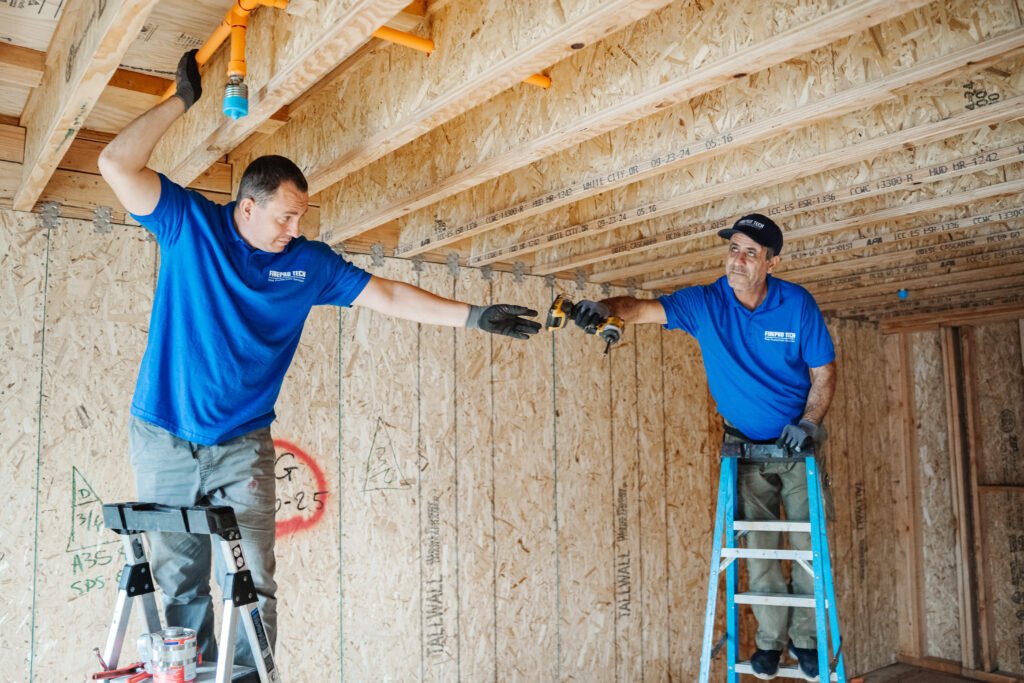
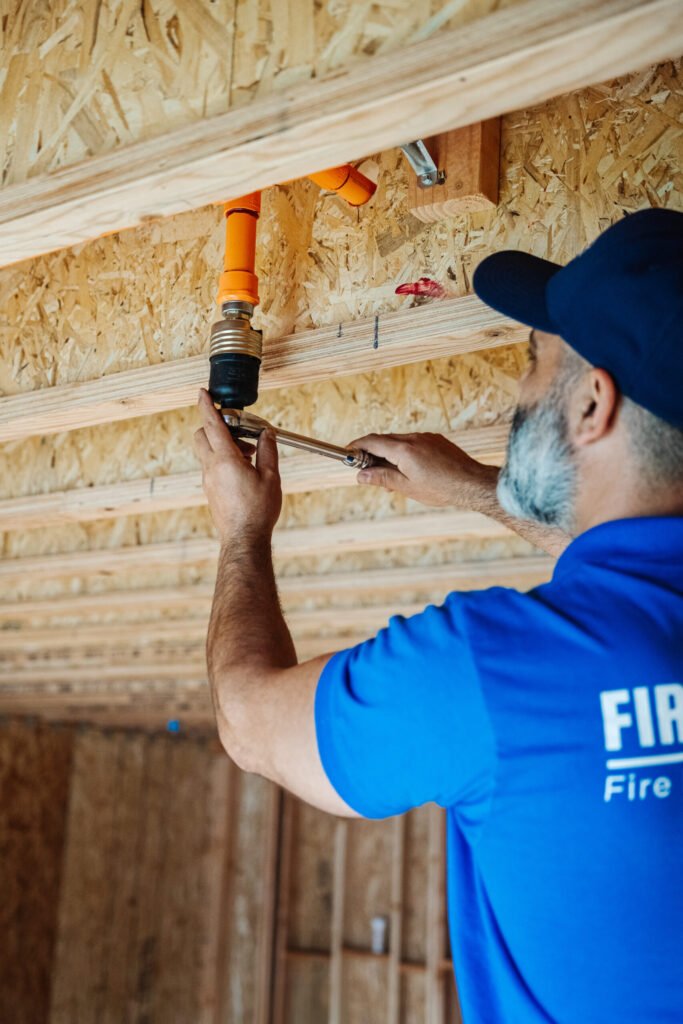
Professional knows how to install a fire sprinkler system in residental house
Fire Safety Tips

Fire Sprinkler Installation Guide: Step-by-Step

Installing residential sprinkler system on your own might be tempting in order to save some money on labor. But is it really a good idea? We believe a pro can do things better. And this fire sprinkler installation guide will explain why even knowing every step it might be better to call a pro. And this article includes a question “how much to install a fire sprinkler system?” to make everything clear.  Installing the Piping Network Correctly The piping network forms the base of any residential fire sprinkler systems design. Using CPVC or steel pipes, layout planning must align with architectural blueprints and local fire codes. Key Steps: Correct pipe layout is crucial in installing fire sprinklers effectively. Mistakes in design usually lead to the uneven water pressure and failed system tests. You may find out whether you must have a fire sprinkler at your property or not in our article. How to Install a Fire Sprinkler System And Connect it to the Water Supply When it comes to how to install a fire sprinkler system you should think about the water. It’s crucial to ensure your water source is consistent so your system activates immediately when needed. Steps to Follow: Testing the System for Leaks and Pressure Integrity It’s better not to rely on chance and ensure your system is installed properly. A testing step will prove you’ve done everything correctly and that your system complies with safety standards. Testing Process: Installing residential sprinkler system without testing may lead to serious consequences. In addition, testing will ensure reliable long-term performance.  System Inspection: Ensuring Code Compliance Your residential fire sprinkler systems need inspection. That’s what local and national fire codes say. These inspections ensure your system is safe and legally operable. Who Does the Inspection? You’ll need to submit permits, blueprints, and inspection reports to get final approval for occupancy in most residential or commercial builds. To learn how often you need to take such inspections check our article.  How to Install a Fire Sprinkler System: Smart Features and Automation Modern residential fire sprinkler systems design integrates smart features for remote access, alerts, and maintenance reminders. Features to Consider: Installing fire sprinklers with smart systems will make them more efficient. Moreover, it also offers peace of mind, which is the main reason to have such a system after all.  How Much Does It Cost to Install a Fire Sprinkler System? Well, now let’s get down to how much to install a fire sprinkler system? As usually, costs vary depending on several factors, but here are average numbers:  Type of Installation Average Cost per Sq Ft Total Cost (2,000 sq ft) Retrofit (Existing Home) $2 – $7 $4,000 – $14,000 New Construction $5 – $7 $6,000 – $12,000 But if you want to count more precisely, see our article where we describe each part of the price in detail.  Fire Sprinkler Installation Made Easy with Fire Pro Tech So, after all you may see that installing residential sprinkler system isn’t that easy. But you may trust that project to the experts. From planning and permits to activation and smart feature integration, FireProTech simplifies every step of how to install a fire sprinkler system. Why Choose Fire Pro Tech? Whether you’re a homeowner or a property manager, trust FireProTech to deliver reliable, cost-effective solutions while installing fire sprinklers. Your experts are available by calling at (818) 860-0166 to install a reliable system, just call us and schedule an estimate. Don’t forget to find us on Facebook and Instagram to see how pros do their job.