
FirePro Tech

Author name: fuse

osy valve installation
Fire Safety Tips, Sprinkler Components

OS&Y Valve Function in Fire Protection Control

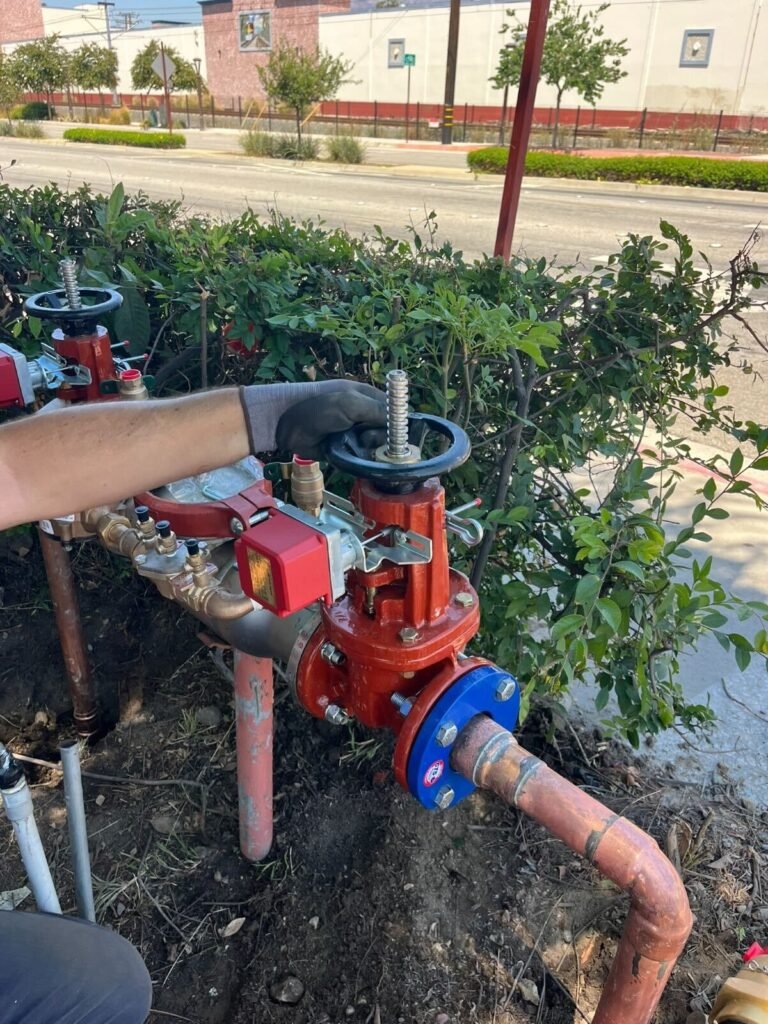
How can we say for sure if the water path is open in the sprinkler or not? The answer is the OS&Y valve. It stands for outside screw and yoke.  Let’s learn more about this detail. Is it so important when installing fire protection equipment and what should be considered when renovating? Why an OS&Y Valve Controls Access to Water in Fire Protection? How does it work? The valve stem is visible from the outside. It’s easy to tell by its position whether it is open or closed. The stem is up and an OS&Y is in the open position if water can flow. On the contrary, when it’s down, there’s no access.  Just for comparison, it is not so easy to understand the state in other types of valves. This is why OSY valves have become a true standard in fire protection. How Does an OS&Y Gate Valve (Outside Screw and Yoke) Work? The OSY valve (sometimes called OS&Y valve) stands for outside screw and yoke. Basically, it’s a valve with a visible stem. When you turn the handwheel, the stem moves up (the path for water is open) or down (closed). There are different types of valves, such as ball valves or butterfly valves. But all of them are not so visually informative. Here, visual control is built right into the design. Why OS&Y Valves Are Commonly Used as Control Valves Any contractor appreciates OS&Y valves because of their simplicity. That’s because you don’t have to guess or disassemble the system. Just a quick glance can help you see the position. Plus, this type meets most NFPA requirements. So if you want a stress-free inspection, this is definitely the valve to get. Key Benefits of OS&Y Valves—Reliable Water Supply Control Let’s summarize what has been said above. It looks like this valve has a pretty impressive list of pros: You may still have a question: how can the OSY valve relate to other fire sprinkler system components, such as sprinkler heads? No worries; you can read which head is best to choose in our article Fusible Link Sprinkler Head vs Glass Bulb Types—there’s a lot of useful information there too. Inspection, Testing, and Maintenance of an OS&Y Valve Inspectors love these valves because the inspection takes minutes (literally). All you need to do is make sure the stem is in the correct position and there is no corrosion. As you may recall, OS&Y is in the open position if all is well and water can flow freely to the outside. However, despite their simplicity, such elements require regular maintenance services. This is what keeps the system running smoothly. If you’re in CA right now, reach out to our FirePro Tech experts with any OS&Y valve issue. They will not only help you but will also explain everything in detail if you have any questions. How to Properly Inspect an OS&Y Valve The inspection process is simple, but it’s best to follow a checklist: Sometimes it is also a good idea to flush the valve to remove possible sediment. And to understand why this is important for the whole installation, it is worth understanding how a fire sprinkler works as a whole system. Testing and Ongoing Maintenance of OS&Y Valves Testing the OSY valves involves a complete cycle: close the OSY valve, then open it again. This method shows if there is no seizure. It is also recommended to lubricate the threads once a year and do a visual check. This is cheap and helps you avoid a lot of stress. So, if you by any chance need our help with OSY valves (or any other part of the system), call FirePro Tech at (818) 860-0166. Why OSY Valve Is Essential for Sprinkler and Standpipe Systems No outside screw and yoke valves? Well, the system will not be able to pass inspection and comply with regulations. This is key in residential buildings, where inspectors scrutinize every detail. That is why the outside screw and yoke are considered mandatory elements. It is like proof that the condition of the valve can always be determined visually. And this means that the fire protection will work without delays. How to Tell if an OSY Valve Is in the Open Position To tell if a valve is open, you only need to look at its construction. With the outside screw and yoke type, the stem is always visible from the outside. If it is up and the threads are clearly visible, it is a sure sign that the valve is in the open position. This means that water is flowing freely into the system. This simple visual inspection makes the OS&Y valve easy to inspect and maintain. By the way, we often share these practical tips on Instagram and discuss real-life examples on Facebook together with contractors and fire safety experts—join us there to keep in touch!


How to fire sprinklers work from professionals' point of view
Sprinkler Components, Sprinkler Systems

How Does Fire Sprinkler Work

Understanding how fire sprinklers work is not only crucial for fire safety professionals. Every homeowner and tenant needs this knowledge. Let’s look at this mechanism together and find out how a fire sprinkler works in your property. How does fire sprinkler work? Well, fire sprinkler operation depends on the heat. Every sprinkler reacts to high temperatures, but not all the sprinkler heads react at the same time. Only the one closest to the source of the heat activates first and sprays water under pressure. This way, the flames get caught and the entire room doesn’t end up flooded. And yet, how do fire sprinkler heads work? In short, they work locally: the system doesn’t open all the heads at once, but only those that are close to the risk. How Are Fire Sprinklers Activated? The sprinkler mechanism operates thanks to a heat-sensitive element. Most models use: The element (whatever it is) collapses as soon as the temperature reaches up to 165°F. This releases the valve. The pressurized water then immediately rushes out. This, as you can see, results in a fast and precise response to a fire. Water Supply and Deactivation of Fire Sprinklers How Fire Sprinkler Water Supply Works Important note here: a water source connection is usually a must. City mains is the best option for residential homes. Larger facilities, in their turn, often have tanks and pumps. The water is piped and pressurized. Pressure ensures that a triggered sprinkler will release the spray instantly. Steps for Deactivation After Sprinklers Work After activation, it is necessary to manually deactivate the system: Types of Fire Sprinkler Systems Wet Pipe Sprinkler Systems This is a super popular type of a fire sprinkler mechanism. How do fire sprinkler heads work here? As we described just above. The pipes are constantly filled with water. When the head is triggered, the liquid is immediately spurted out. It is a perfect choice for residential buildings. Dry Pipe Sprinkler Systems What’s the main difference between wet pipe and dry pipe sprinklers? In this case, the pipes are full of air (or nitrogen sometimes). No water before the heat. The dry valve opens because of the heat and releases water. So, there is a slight 2-sec delay. Components of Fire Sprinkler Systems Sprinkler Heads They are the central elements of the system. There are pendant, upright, and sidewall heads. Each has a sprinkler to spray water evenly. Also, there are two types of heads, link sprinkler heads and glass bulb sprinklers, which look alike but still are very different during emergencies. Water Pipes These pipes carry water to each head. Material can differ due to the type of the facility: it can be steel or copper. Sometimes they use CPVC for residential homes. Main Control Valve This regulates the water supply to the mains. Always keep it open! And, of course, remember you should protect it against unauthorized shut-off. Fire Alarm System Almost any modern fire sprinkler mechanism comes with an alarm monitoring system: as soon as activated, an alarm sounds. This alarm sends a message to the fire department and triggers an alert for the people inside the building. What Happens if Fire Sprinklers Work Accidentally? Sometimes fire sprinkler operation can be a little bit off. But there is always a reason! Don’t try to replace your sprinkler system after something went wrong (by the way, do you know how much it costs?). First, get to know why it hapened. Here, for example, are the main causes: What should you do in such a case? First, shut off the water as soon as you can. Your second step is calling a contractor, such as FirePro Tech, and fixing the moisture while waiting for them.  What to Do if Fire Sprinklers Don’t Work Properly? If the head has not worked properly in a fire, it is extremely dangerous. Usually the problem lies in a clog or incorrect temperature rating. It’s really easy to fix. But sometimes it’s in valve malfunctions and we have to replace it. The best way to avoid this is regular maintenance (and don’t forget about a 5-year inspection) with a professional contractor. Best Practices for Fire Sprinkler Installation and Maintenance How do fire sprinklers work without interruptions? Checklist! Mentally check the boxes if you: Common Fire Sprinkler Myths Debunked Myth number one: the heat triggers all heads at once. But that’s obviously not true. As you already know, only the one that is heated can be active. Another myth is that smoke can trigger the system. In reality, smoke has no effect on anything. The sprinkler reacts solely to heat. And third, people often say water is more harmful than fire. But actually water consumption in this case is minimal. And the best part of it is that it localizes the fire faster than fire hoses. Conclusion: Why Understanding How Do Fire Sprinklers Work Matters Now you know how fire sprinklers work and what elements affect their reliability. These systems save lives and reduce fire damage. But their effectiveness depends directly on proper installation and regular maintenance. By the way, you can find them among our services. What you need is just to call at (818) 860-0166 and find out the workload of our techs. And while you’re listening to the dial tone on your phone, we invite you to subscribe to our Facebook and Instagram. Let’s be friends and figure out how does fire sprinkler work together.

FirePro Tech team knows when are fire sprinklers required in residential buildings
Fire Safety Tips, Residential Fire Safety

Understanding the Requirements for Fire Sprinklers in Residential Buildings

A tricky question: when are fire sprinklers required in residential buildings? It’s tricky because the rules really differ from state to state. Let’s explore some of them to avoid fines and, more importantly, keep people safe. California (like any other US state basically) has its own fire sprinkler code requirements. So, how does California fire sprinkler law work? It requires the system installation even in new one-story homes. This is all due to the high density of buildings and the risk of rapid fire spread. What Are Sprinkler Systems?  In short, a sprinkler system is an automatic fire extinguishing mechanism and the main trigger for it is high temperature. First, you hook it up to the water supply. After that, it sprays water. It happens only when a special detector feels extreme heat (like there’s a fire).  Benefits of Sprinkler Systems Installing fire sprinklers residential systems in your home offers a big number of undeniable advantages: When Are Fire Sprinklers Required in Residential Buildings? However, when are fire sprinklers required in residential buildings? The answer to this question lies in both general building regulations and local legislation. In most cases, installation is mandatory in: California fire sprinkler requirements are quite strict. They apply even in homes larger than 1,000 square feet. And this came as a surprise to many homeowners who want to pass any kind of inspections.   Legal Requirements for Sprinklers in Residential Buildings California fire sprinkler law stipulates that any new residential property must have a sprinkler system. Exceptions are rare, so don’t even worry about them. Residential sprinkler system requirements don’t apply only to tiny buildings. Fire Sprinklers in Condos, Townhouses, and Multi-family Residences Residential sprinkler system requirements in residential buildings are even stricter if several families live there at once. And this is understandable: more people means greater responsibility. In this case it’s important to consider not only the floor space. The layout (e.g., the number of exits, staircases, and common areas) also plays an important role here. Key Factors That Determine Sprinkler Requirements Building Height In buildings with three or more floors, sprinklers are almost always mandatory. That’s because evacuation is more difficult from tall buildings. Building Size A large area increases the risk of rapid fire spread. That is why fire sprinklers residential systems are mandatory in most states for homes over 1,000–1,500 square feet. Type of Construction Wooden structures require more stringent protective measures than concrete or brick structures. Occupancy Type The more people living in a building, the higher the likelihood of fire is. This means a greater danger during evacuation. And a greater necessity of fire sprinklers residential systems, of course. Water Supply Requirements for Residential Sprinkler Systems First of all, you need to make sure you have enough water pressure, in most cases, it must be at least 50 psi.  Don’t skimp on this! And keep in mind that sometimes you’ll need to install a separate pump or tank. Additional Recommendations for Residential Sprinkler Systems Sometimes it is not mandatory by law to install the fire sprinkler residential system. However, experts advise doing so in: Yes, it is not required by law, but it’s the best way to avoid other safety violations. And these, in turn, can result in tragedy.   Why Choose FirePro Tech for Your Residential Sprinkler Needs? FirePro Tech offers a full range of services: design, installation, and maintenance of residential fire sprinklers. We work in accordance with all California fire sprinkler requirements and select the optimal solution for each home. Our specialists will help you understand when fire sprinklers are required in residential buildings. So, be sure we will install the system as soon as possible. We do not recommend testing the limits of the CA law or the safety of your premises. Order sprinkler installation from the best contractor in your area right now at (818) 860-0166 to be sure about tomorrow. And, of course, don’t forget to follow us on Facebook and Instagram.

Professional knows how to install a fire sprinkler system in residental house
Fire Safety Tips

Fire Sprinkler Installation Guide: Step-by-Step

Installing residential sprinkler system on your own might be tempting in order to save some money on labor. But is it really a good idea? We believe a pro can do things better. And this fire sprinkler installation guide will explain why even knowing every step it might be better to call a pro. And this article includes a question “how much to install a fire sprinkler system?” to make everything clear.  Installing the Piping Network Correctly The piping network forms the base of any residential fire sprinkler systems design. Using CPVC or steel pipes, layout planning must align with architectural blueprints and local fire codes. Key Steps: Correct pipe layout is crucial in installing fire sprinklers effectively. Mistakes in design usually lead to the uneven water pressure and failed system tests. You may find out whether you must have a fire sprinkler at your property or not in our article. How to Install a Fire Sprinkler System And Connect it to the Water Supply When it comes to how to install a fire sprinkler system you should think about the water. It’s crucial to ensure your water source is consistent so your system activates immediately when needed. Steps to Follow: Testing the System for Leaks and Pressure Integrity It’s better not to rely on chance and ensure your system is installed properly. A testing step will prove you’ve done everything correctly and that your system complies with safety standards. Testing Process: Installing residential sprinkler system without testing may lead to serious consequences. In addition, testing will ensure reliable long-term performance.  System Inspection: Ensuring Code Compliance Your residential fire sprinkler systems need inspection. That’s what local and national fire codes say. These inspections ensure your system is safe and legally operable. Who Does the Inspection? You’ll need to submit permits, blueprints, and inspection reports to get final approval for occupancy in most residential or commercial builds. To learn how often you need to take such inspections check our article.  How to Install a Fire Sprinkler System: Smart Features and Automation Modern residential fire sprinkler systems design integrates smart features for remote access, alerts, and maintenance reminders. Features to Consider: Installing fire sprinklers with smart systems will make them more efficient. Moreover, it also offers peace of mind, which is the main reason to have such a system after all.  How Much Does It Cost to Install a Fire Sprinkler System? Well, now let’s get down to how much to install a fire sprinkler system? As usually, costs vary depending on several factors, but here are average numbers:  Type of Installation Average Cost per Sq Ft Total Cost (2,000 sq ft) Retrofit (Existing Home) $2 – $7 $4,000 – $14,000 New Construction $5 – $7 $6,000 – $12,000 But if you want to count more precisely, see our article where we describe each part of the price in detail.  Fire Sprinkler Installation Made Easy with Fire Pro Tech So, after all you may see that installing residential sprinkler system isn’t that easy. But you may trust that project to the experts. From planning and permits to activation and smart feature integration, FireProTech simplifies every step of how to install a fire sprinkler system. Why Choose Fire Pro Tech? Whether you’re a homeowner or a property manager, trust FireProTech to deliver reliable, cost-effective solutions while installing fire sprinklers. Your experts are available by calling at (818) 860-0166 to install a reliable system, just call us and schedule an estimate. Don’t forget to find us on Facebook and Instagram to see how pros do their job.

5 year inspection fire sprinkler specialists working on-site
Fire Safety Tips

How Often Should Fire Sprinklers Be Inspected

A 5 year inspection fire sprinkler procedure is a thorough check of the entire fire sprinkler system, which, as you may have guessed, is performed once every 5 years.  This sprinkler system testing frequency helps to identify hidden problems, such as rust inside pipes or stuck valves. These are easier to spot in the long term than during annual fire inspections. The main guideline for this is NFPA 25, which is the official safety standard. Fire sprinkler testing procedure must be done by professionals. What Happens at an Annual Sprinkler Inspection?  Annual fire inspections are like getting your car checked out every year. Here’s what they do: But this is not a really deep inspection. For example, it does not show what is happening inside the pipes. That’s why 5 year sprinkler inspection services are an absolute must. What Happens During a 5 Year Inspection Fire Sprinkler Really Needs A 5-year sprinkler inspection helps to check a system completely. Engineers do their best to make sure that everything inside is working properly: So, how often should fire sprinklers be inspected? FirePro Tech’s answer here is the following: annually is for sure, as well as once every 5 years. The Codes Behind: 5 Year Inspection Fire Sprinkler Rules Ask any contractor if they comply with NFPA 25 regulations. The answer should be yes; otherwise, something is really off. These regulations apply throughout CA and the United States. So, save this checklist of steps that you should take during 5 year sprinkler inspection according to NFPA 25: Gauge Inspection Techs should check the pressure gauges. If they are not working properly, it’s a sign to replace them. System Flow Test This test checks whether water flows properly through the pipes, especially on upper floors. Standpipe Hydrostatic Test  To perform this test, you will need pressurized water. You should run this water through the pipes to check for microcracks.   Check Valve Inspection  Typically, check valves that direct water in pipes of any fire sprinkler system wear out heavily over five years. Technicians disassemble and clean them.   Internal Inspection of Piping  During this part techs look inside the pipes. There may be rust, scale, or debris that obstructs the water flow. Preparing for Annual and 5 Year Inspection Fire Sprinkler Events Now that you know how often a fire sprinkler system should be inspected, you can prepare for it. Preparing for an annual inspection is simple: you just need to provide access to the sprinklers and equipment. However, the 5 year sprinkler inspection requires a bit more: If you are unsure how often fire sprinklers should be inspected or what the sprinkler system inspection cost is, it’s okay. Simply contact our FirePro Tech team to book a testing that complies with all the necessary codes. What Is the 5 Year Inspection Fire Sprinkler Procedure? A 5-year sprinkler inspection is a mandatory comprehensive inspection of the entire system. Specialists open parts of the system, clean pipes, and test valves. They record everything they find and repair. This process is more thorough than annual fire inspections. It allows you to find problems that are difficult to identify in the short term—leaks, for example. Read about Top Causes of Fire Sprinkler Leaks to be prepared for everything in advance. But what about money? Well, here’s what defines the sprinkler system inspection cost: Just call us to find out the sprinkler system inspection cost for your specific case. Will This Inspection Affect The Building Tenants?  Sometimes during an inspection, the system needs to be temporarily shut down. This means that the building will be without automatic fire suppression for a while. But a good company always warns residents in advance and does everything quickly and carefully.  Sprinkler system testing frequency (especially in the case of 5 year inspection fire sprinkler events) allows you to perform all the necessary checks with almost no disruption to people. What Are the Specific NFPA Requirements? NFPA 25 strictly regulates the 5-year sprinkler inspection. And this is not just a formality. It’s a matter of safety and legal reputation. So, the list of requirements looks like this: Such an inspection is necessary because, unlike suppression systems (e.g., gas), sprinklers use water. That’s the reason why they are more susceptible to corrosion and leaks. If you are unsure which system you have installed—sprinkler or suppression—read the article What’s the Difference Between Fire Sprinkler and Fire Suppression Systems?  Why We Are The Contractor You Need? FirePro Tech does everything professionally: Our best licensed C-16 technicians and an honest approach are our super strengths. We love what we do, and we value discipline and compliance with standards. Our team will think about everything for you! Just save our number (818) 860-0166 to experience your high-quality inspection! Follow us on Instagram and Facebook to keep in touch with the NFPA 25 requirements and more. 

how much does a fire sprinkler system cost is a question of pipe length as well
Residential Fire Safety

Сost of Fire Sprinkler System in 2025

To keep financial and fire anxiety away, arranging a budget is critical. Today your fire safety is priceless. However, there are certain numbers for the cost of fire sprinkler system in 2025 that will help you shape the budget. Whether you have a business or personal house to protect, keep reading this article. Here you’ll find out the sprinkler system cost to carefully plan your safety upgrades. How Much Does a Fire Sprinkler System Cost? Fire Sprinkler System Cost Factors Installation of any protection system is a complex process. Hence, the fire sprinkler system cost is also built part by part. Here are the key drivers: Square Footage The size of the property is your first variable  in the question of how much does a fire sprinkler system cost. The bigger the size of your property, the more heads and pipes are needed, so the prices go up. All in all larger buildings require more piping, heads, and installation time. Of course, you’ll find a lot of systems for fire protection and we can give you a hint what excatly diffrent between them. New Home vs. Add-On Installing a system during new construction is considerably cheaper than retrofitting an existing structure. New builds provide easy access for pipes and wiring, reducing labor and material costs. Retrofitting can increase the home fire sprinkler system cost by 50% or more. Usually this happens because of drywall removal and other adjustments. Pipe Material CPVC (chlorinated polyvinyl chloride) is commonly used for residential systems and is cheaper than steel. Moreover, building codes usually require such pipes in commercial buildings. Pipe choice has a direct impact on both residential and commercial fire sprinkler systems cost. Alarm Bell or Horn  Fire sprinkler system alarm bells or horn devices can be a great addition, though they aren’t usually listed as must have add-ons. While these devices are essential for early warning, they can increase the overall sprinkler system cost by another $500–$800 to the final cost of fire sprinkler system installations. Permits and Inspections Usually, the local  building department can require permits and inspections, especially for commercial buildings. These procedures cost between $300 and $1200. This is also a part of a home fire sprinkler system cost which is important to include to the budget. Water Source In certain cases, building and safety regulations necessitate an increase in your existing water pressure. This requirement ensures that it’s possible to enable the connection of the fire sprinkler system. In this scenario, it is imperative that you thoroughly inspect your system, verify the pressure levels, and assess the adequacy of your water supply. These solutions offer enhanced peace of mind, but also result in a significant increase in the home fire sprinkler system cost. It’s ranging from $1,000 to $3,000. However, homes with no pressured water also require installation of the pumps or storage tanks. If you use a well or have a low water pressure, prepare to add around $2,000–$8,000.  Backflow Preventers For commercial setups, backflow preventers are essential to avoid contamination of public water supplies. These can cost between $1,400 and $12,500, contributing to higher commercial fire sprinkler systems cost. Additional Costs to Consider Beyond the core components, there are other potential investments required for a fully functional and code-compliant system. Additional Equipment to Enhance a Fire Sprinkler System Maintenance Costs Installing a proper fire protection system isn’t the end of the fire safety story. To make sure it won’t let you down, the maintenance is critical. Inspections cost around $350-$500. Having an inspection at least once a year is our best recommendation to find the balance between savings and safety. However, some states may mandate quarterly checks, especially for commercial properties, increasing long-term expenses. Private Fire Hydrants For large commercial properties, private fire hydrants may be needed. Installation costs can range from $3,000 to $7,000, especially if excavation or special permits are involved. How Much Does a Fire Sprinkler System Cost to Install Yourself vs Hiring a Pro We highly recommend calling a professional to install your fire sprinkler system! But let’s  make an honest comparison. How much you can save on labor by DIY installation? Hiring a certified professional adds $1,500–$5,000 in labor and ensures compliance and reliability. Remember that DIY mistakes can lead to failed inspections, damage, and severe safety risks. Ways to Reduce Residential Fire Sprinkler System Costs Conclusion The price for your fire protection system is a combination of different factors. Some of them are pretty obvious, others are hiding in the after installation procedures. However, correct planning of your safety budget will save you money and will help make informed decisions. And here you can team up with FirePro Tech. We provide detailed pricing for our services. Reach us by (818) 860-0166 and schedule the estimate of your coming safety project with us. Don’t forget to find us on Facebook and Instagram to learn everything about fire safety while scrolling your feed. 

Example of when is a sprinkler system required in a commercial building
Commercial Fire Protection

When Is a Sprinkler System Required in a Commercial Building

A newly built space for your business is always great, but we all know that behind a beautiful picture there is a lot of effort. And at the planning step you’ve probably asked a question: “when is a sprinkler system required in a commercial building?”. Not to mention fire safety, there are some California regulations that should be taken into account in order to make everything correctly. In this article we will help you to sort out when are fire sprinklers required in commercial buildings.  When is a Fire Sprinkler System Required? Let’s crack it: when is a sprinkler system required in a commercial building and ehat buildings go under that regulations? California Fire Code gives us a list of requirements: But keep in mind that there are areas with stricter regulations because of higher fire risks. Among them Los Angeles, Sacramento and San Bernardino.  Who Regulates the Requirements for Fire Sprinkler Systems? If “when are fire sprinklers required in commercial buildings” isn’t your only question, read further. We know who comes up with all the fire sprinkler system requirements in California:  To understand specific commercial sprinkler system requirements for your city, always check in with the local fire marshal or building department.  Which Commercial Buildings Should Have a Sprinkler System? Let’s look at the question “when is a sprinkler system required in a commercial building” from the other side. If you’re uncertain if your building considered commercial, take a look at our examples:  Important note: if a commercial building has significant renovation or changes in its type it might lead to the firesprinkler retrofit. For example, if the space was a warehouse once but became an event space, you should keep in mind different commercial building sprinkler system requirements.  Alternative Ways To Protect Your Building Without a Fire Sprinkler System? If sprinkler requirements for commercial buildings are not enough, there are some alternative ways to improve your fire safety. They are also suitable for smaller buildings or where sprinklers are not yet mandatory. Active Fire Protection The most well-known example of an active fire protection is the fire extinguisher. CCR requires them in all buildings without exceptions. Also Title 8 CCR §1933 claims that extinguishers must be: Active fire protection includes fire alarms and detectors as well. NFPA 72-compliant alarm systems, smoke detectors, and manual pull stations provide early warning. These systems are crucial where sprinklers aren’t required or used as a redundancy layer. Passive Fire Protection These are built-in systems designed to contain or slow the spread of fire. The most obvious ones are fire-rated construction floors and walls. Special materials there prevent the spread of fire between rooms and floors. California Building Code requires these in most multi-tenant commercial and residential buildings.  To achieve the best of alternatives for commercial building sprinkler system requirements we recommend combining them.  Local and State Regulations Impacting Fire Sprinkler Requirements While the California Fire Code provides a statewide framework, local sprinkler requirements for commercial buildings often dictate enforcement. For example: These jurisdictions apply their own municipal fire codes alongside state mandates. Ignoring local rules can result in failed inspections or denied occupancy permits. Adherence to Local Codes and Regulations In order to answer “when is a sprinkler system required in a commercial building?”, we need to line up with local codes and regulations.  Penalties for Non-Compliance Failing to meet commercial building sprinkler system requirements can lead to: In addition, insurance companies may also deny coverage or increase premiums for non-compliant properties. 8 Mistakes Entrepreneurs Make with Commercial Fire Sprinkles And What To Do About It Mistake How to Fix It Not consulting local fire officials  Always check city regulations Delaying fire system installation Do it early in the design phase Hiring unlicensed contractors Use only C-16 licensed professionals Ignoring system maintenance Schedule annual inspections Blocking sprinkler heads Maintain 18″ clearance Failing to consider building use changes Each occupancy type has unique rules Underestimating water supply needs Check pressure and flow rates Skipping permits Always pull the correct fire protection permits Fire Sprinklers in Historic Homes. Is It Possible to Retrofit Without Impacting Aesthetics? CA has sprinkler requirements for commercial buildings and of course there are regulations for elder homes as well. Here some ideas for retrofitting sprinklers in historic California homes (e.g., Craftsman or Victorian styles): Work with a specialist familiar with historic preservation codes like FirePro Tech, especially in areas like Pasadena or San Francisco’s Heritage Districts. Fire Protection as a Selling Point: How Safety Features Attract Tenants Modern tenants and commercial lessees often prioritize safety. Marketing your property as “fully fire-sprinklered”: The True Cost of Fire Damage to Businesses According to CAL FIRE, average fire damage to a commercial building in California can exceed $300,000. Indirect costs include: Installing a sprinkler system is a fraction of that cost and reduces property loss by up to 65%. Why Choose Fire Pro for Your Fire Sprinkler Installation? Fire Pro is a trusted California-based fire protection contractor with: We handle everything from design and permitting to final inspection, ensuring full compliance and peace of mind. Conclusion  When are fire sprinklers required in commercial buildings? Depends on your area and commercial building type. But at FirePro Tech we recommend not to play with fire and install this system anyway. Dial this number (818) 860-0166 and get your protection according to fire sprinkler system requirements. Follow us on Facebook and Instagram to always be updated with the latest commercial sprinkler system requirements.

Sprinkler Systems

Fusible Link Sprinkler Head vs Glass Bulb Types

Fusible Link vs Glass Bulb Sprinklers: Key Differences When it’s a question of your fire safety, nothing is insignificant. Even the smallest things may play a crucial role when it comes to fire protection. At first sight you might not tell whether you look at fusible link sprinkler heads or glass bulb sprinklers. Though their performance during emergencies differs a lot. Today we are going to break down what sprinkler heads will suit your needs better and how to tell the difference between them. What is a Fusible Link Sprinkler Head? Let’s start from the beginning: what is a fusible link sprinkler head? As any other type of fusible sprinkler head, it activates when a temperature in the room reaches a certain level. Inside these heads there are two metal components which are joined by a fusible link. This link is a heat-sensitive alloy and it melts when the surrounding temperature is around 135°F—260°F.  Fusible link fire sprinkler heads are a popular choice among those who need an enhanced protection against vibrations and physical damage. Such systems have a rugged design, so they are widely utilized in industrial and commercial settings. What is a Glass Bulb Sprinkler Head? Now we know about fusible link sprinklers, let’s move on to the glass bulb sprinkler. You can call this system a frangible bulb sprinkler head system as well. This type of head has a small sealed glass bulb with a colored liquid which is the main part of this head. The fluid expands because of the heat and that causes the glass to shatter—hence the term frangible—triggering the sprinkler to release water. The color is a marker for the temperature that needs to be reached for a glass shatter., red for 155°F, orange-175°F, green-200°F, blue—260°F. This colorful design makes a frangible bulb sprinkler head visually appealing, so its easy to integrate into modern interiors. They are less intrusive and can be hidden more effectively behind ceiling tiles or decorative covers. Response Time: Which One Activates Faster? When it comes to speed, glass bulb sprinklers generally have a slight edge. The frangible bulb sprinkler head has a faster thermal response because the glass bulb has less thermal mass compared to the solid metal fusible link. This allows it to react more quickly to rising temperatures. However, the difference in response time may be minimal in practical situations and largely depends on system design and installation. Pros and Cons of Each Sprinkler Head Type Feature Fusible Link Sprinkler Head Glass Bulb Sprinkler Head Response Time Moderate Faster Durability Highly durable Less impact-resistant Aesthetic Design Industrial Sleek and discreet Maintenance Low maintenance Slightly more fragile Cost Often more cost-effective Slightly more expensive Installation Environment Industrial, warehouses Offices, hotels, residential Fusible Link Sprinkler Pros: Fusible Link Sprinkler Cons: Glass Bulb Sprinkler Pros: Glass Bulb Sprinkler Cons: Best Use Cases for Fusible Link vs Glass Bulb Sprinkler Heads To make a right choice between fusible link sprinkler and frangible bulb sprinkler, define your needs. Here is our advice on which system you might prefer depending on your business: Best for Fusible Link Fire Sprinkler Heads: Best for Frangible Bulb Sprinkler Heads: At FirePro Tech we are keen to help you choose the best system for your business. Whether you think about a fusible sprinkler head or a glass bulb sprinkler, we are experts in both. We are a trusted fire sprinkler contractor in CA, so we can ensure the system is installed correctly and meets all safety codes. Feel safe and protected with the services we provide by calling us at (818) 860-0166. Check our Facebook and Instagram pages for fire protection content trends.

Fire supression sprinklers pros
Sprinkler Systems

Fire Suppression Sprinklers vs Sprinkler Systems

Fire Suppression Sprinklers vs Sprinkler Systems: What’s the Difference? Fire suppression sprinklers and standard sprinkler systems can be very easily misleading. How? Very simple: they look like twins. Heads, locations… everything about them is similar. But their functions and even operating principles are absolutely different. Let’s get to know what is what before you decide to choose a water fire suppression system. But first of all, take a look at what types of sprinkler systems even exist. What Are Standard Sprinkler Systems? No doubt that the standard sprinkler fire suppression system is just a legend among water fire suppression system models. But even among the standard heads, there are significant differences. For example, fusible link sprinkler heads and glass bulb sprinklers are effective in their own way. This system is fairly common for residential areas. Why? There is only one pitfall: a water fire suppression system is not suitable for facilities with electronics or hazardous substances. Special facilities need special solutions, right? What Are Fire Suppression Sprinklers? Standard systems use water. At the same time, fire suppression sprinklers cannot always be classified as non water based fire suppression systems. Simply put, water is not the only filler. It can be foam, gas, fog, or even specialty chemicals. These fire suppression system sprinkler heads are activated centrally. In short, fire activates the whole system at once. These alternatives to fire sprinkler systems are often used: Non water based fire suppression systems extinguish flames without damaging expensive equipment or materials.  Key Functional Differences Let’s walk through the key differences between these two types of systems: Extinguishing method When someone talks about standard sprinklers, it’s always about water. Any sprinkler fire suppression system can use its own agent: gas, powder, or foam. Activation principle In a standard fire water protection system, only the sprinkler that “sees” the fire is activated. In the alternatives to fire sprinkler systems, flames trigger the whole mechanism. Area of application You usually need standard sprinklers for ordinary rooms (and, incidentally, they do a great job there!). Fire suppression sprinklers are for valuable or technically intensive spaces. Damage from extinguishing Water can damage property (obviously!). So, non water based fire suppression systems drastically reduce these risks. But enough of these descriptions! See and compare some real examples of our projects on our Instagram. See fire suppression system sprinkler heads in action! Regulatory & Safety Standards for Fire Suppression Sprinklers Both a sprinkler fire suppression system and a suppression system should comply with specific codes. For example, in the U.S., regulations vary depending on the type of facility. Agent matters as well. FirePro Tech and any other licensed contractor in CA must follow NFPA regulations. So, what exactly should we consider? To tell the truth, this list is incomplete. If you feel lost in these points and need some tips and even services, feel free to contact our experts via Facebook. Cost, Installation & Maintenance Comparison Fire suppression sprinklers are more expensive to install and maintain than conventional systems. Especially when it comes to gas solutions or complex fire water protection systems. But when you consider the long-term costs, these systems can be more cost-effective: Here is a brief comparison: Parameter Standard sprinklers Fire suppression sprinklers Cost of installation Low High Extinguishing agent Water Fog, powder, etc Damage to property after triggering Possible Minimal Suitable for server/archives No Yes Ease of maintenance Average Requires pros So, Do I Need Fire Suppression Sprinklers? Fire suppression systems sprinkler heads work well on sites where it is important not only to extinguish the fire but also to preserve valuable stuff. A standard fire water protection system is suitable for most residential and office buildings, especially if the risk of fire is relatively low. Don’t make your choice in a hurry. Think twice. Consider the type of premises, safety requirements, budget… Tell us what they are for your business? Any ideas are welcome at (818) 860-0166. Be sure: we will find the perfect fire sprinkler for you.

Common Fire Sprinkler Leaks and Solutions
Fire Safety Tips

Fire Sprinkler Leaking: Act Before It Gets Worse

Why Is My Fire Sprinkler Leaking? Fire sprinkler leaks are not just a minor trouble. If your fire sprinkler is slowly dripping, it may indicate hidden damage. Fire sprinkler leaking happens mostly due to component wear, corrosion, or some kind of mechanical damage. So, that’s why it’s extremely important to take action quickly.  In this article you will learn why fire sprinkler system leaking appears and how to catch the problem in time. Common Fire Sprinkler System Problems There are a lot of reasons why a fire sprinkler leaking water can occur. And here are just a couple of them: Fire sprinkler leaks often occur at joints, but not only. If you notice a leaking fire sprinkler head, it’s best not to delay repair or even a replacement. Want a quality installation? Contact FirePro Tech for the best fire sprinkler installation service in CA to be sure of the results. What to Do If You Discover a Leak If you all of a sudden discover a fire sprinkler leaking, follow these important steps: Professionals can also help you determine if you need additional diagnostics, such as fire sprinkler leak detection services. Avoiding Future Leaks in Your Sprinkler System Fire sprinkler leaks are a real concern. But repeated fire sprinkler leaks are a real nightmare. There are a few steps you should follow. Take them seriously, because it’s not just the prevention of a repair or even a new system installation; it’s first and foremost the safety of your wallet. And, by extension, your nervous system too. These measures will keep your system running for a long time and avoid the fire sprinkler system leaking.  If you want to trust the installation or   repairs to professionals, contact our experts at (818) 860-0166. We offer the best solutions not only for your fire sprinkler leaking water but for a ton of others as well. And to keep up with all of our news, subscribe to us on Facebook and Instagram.