
FirePro Tech

Sprinkler Systems

installation of fire sprinkler components
Sprinkler Components, Sprinkler Systems

Understanding Components of a Fire Sprinkler System and How They Work

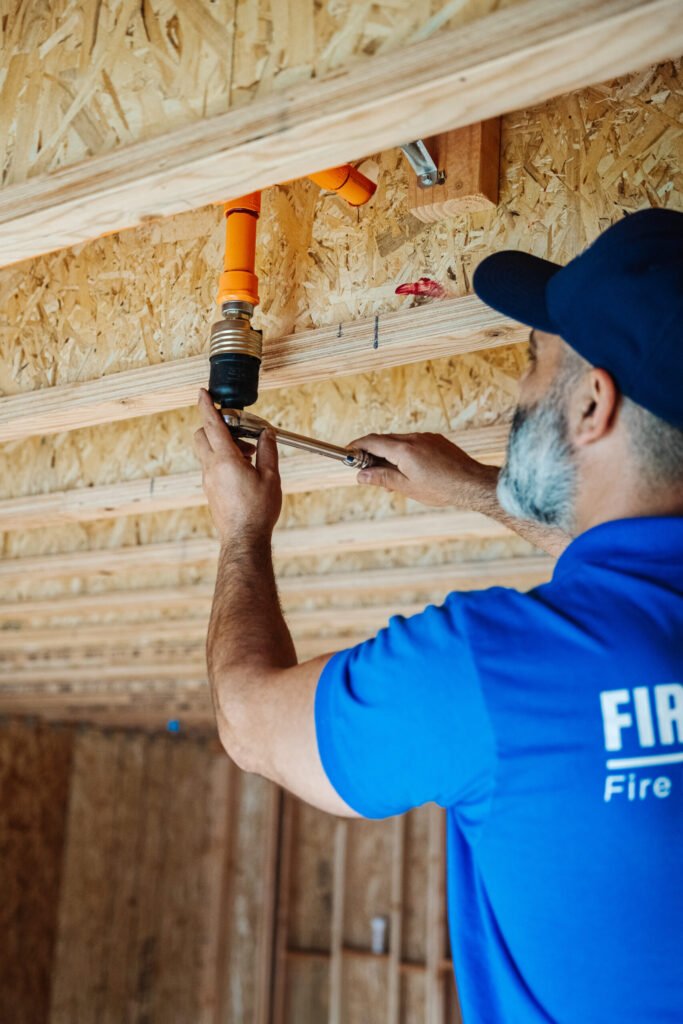
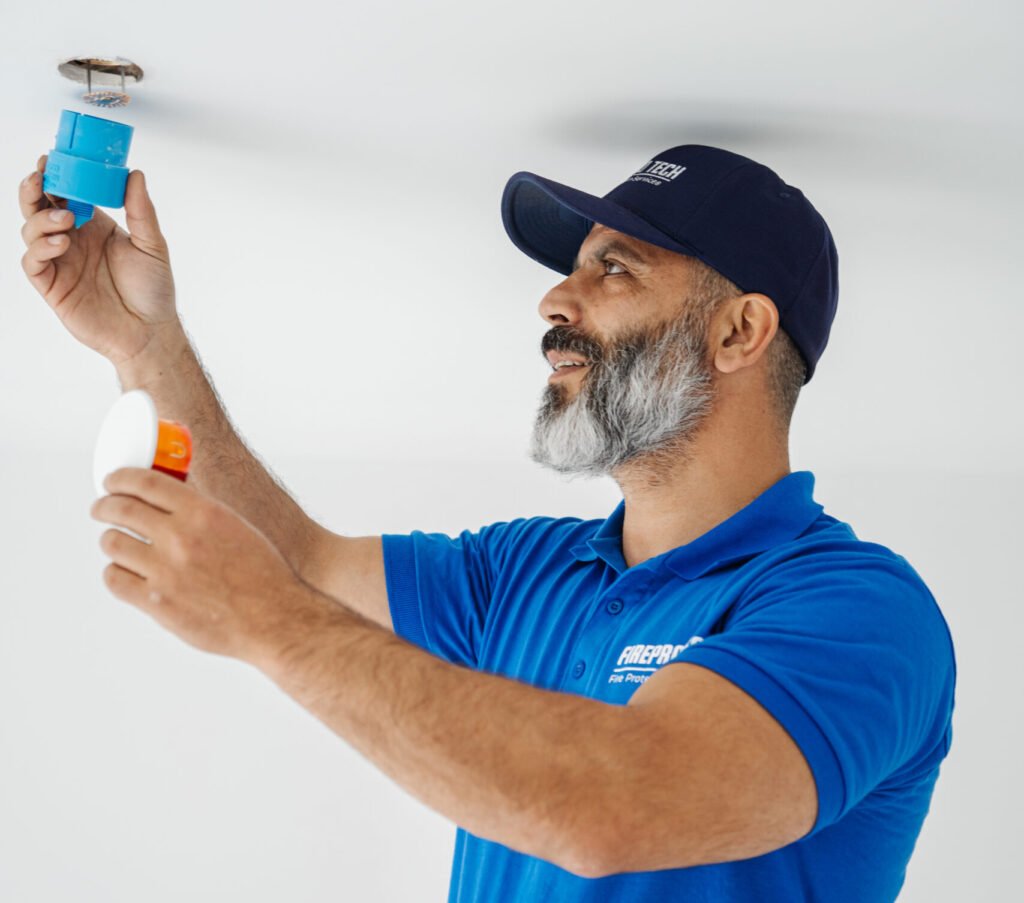
Need your fire sprinkler system to do its job right? You should know about fire sprinkler components. Every single piece from the head to the valve plays a role when it comes to fighting fires fast. Having a good grasp of the fire sprinkler components helps not only pros but also building owners make smart choices about maintenance and prevention.  Let’s find out what these parts are and what they do. 1. Sprinkler Heads: Why They Are the Heart of the System Sprinkler heads are the most visible components. Not a surprise that they fight the fire first. These fire sprinkler head components spray water directly onto the source of the fire. They come in different types:  Proper choice of the head and its following installation is not only a matter of aesthetics but also of safety. Heads must not be covered by light fixtures or other structures. Optimal placement ensures even water distribution and limits the risk of fire spreading. 2. Piping System: Components for Water Distribution It’s truly the lifeblood of the system. Pipes made of steel (or CPVC, or sometimes copper) take water to all the sprinkler heads. Systems with different piping can be: Smooth design ensures that all automatic components work together and that water reaches each head at the correct pressure. If you want to learn more about the individual parts of various designs, check out our article Different Types of Sprinkler Systems. 3. Control Valves: Details That Keep Everything Under Control Control valves regulate water flow. Thanks to them, it’s possible to service the system without shutting down a whole building.  Gate valves, butterfly valves, inspector’s test valves… these are just the most popular types. Each valve is responsible for a specific section. And clear labeling means quick work for inspectors. Monitoring these fire sprinkler system components means nothing but the reliable operation of the entire system. 4. Alarm and Flow Switches: Dispatchers of Real Safety But what controls the flow of water? The answer is alarm valves and flow switches. These components of a fire sprinkler system send a signal when the sprinklers are activated. Flow switches respond even to small leaks. These fire sprinkler components provide visual and audible alarms, which are important for the rapid response of services and people in the building. 5. Water Supply: Options for Fire Sprinkler Without a reliable water supply, even the best components of a fire sprinkler system will not help. Sources can be municipal, reservoirs, or a combination. In large buildings, booster pumps are used to maintain pressure. Correct calculation of pressure, flow, and reserves ensures that all the parts of an automatic fire sprinkler system can simultaneously supply water to all heads. 6. Fire Pump System: How It Supports Pressure Pumps increase pressure when the water supply network cannot cope. Its design is quite obvious: an electric motor or diesel engine, controllers, and safety valves. Regular inspection of these fire sprinkler head components from a good contractor ensures that water will reach every head, even in skyscrapers. But how to correctly install them together with the other components is a different story. 7. Backflow Preventers and Test Valves: Functions and Safety Importance Dirty water can’t get back into the water supply thanks to backflow preventers. Test valves help check the system in a safe way. These parts are super important for keeping up with the rules and protecting people and equipment. Puzzle Need to Be Completed: Integration of Components All fire sprinkler components work as a single mechanism. Even a minor malfunction can reduce the effectiveness of the system. It’s like a puzzle: if one piece is missing, the picture won’t come together. And in order to plan maintenance and upgrades without interrupting the building’s operations, you need to clearly understand how to put the picture together. If you are interested in learning more about this, read our article about How Fire Sprinklers Work. Why Knowing About Fire Sprinkler Components It’s not just pros who benefit from knowing tons of everything about components of a fire sprinkler. You as an owner can make smart decisions about repairs and inspections and feel confident with this knowledge. Sounds like a real super power, right? Take Care of Your Fire Sprinkler Components, and They Will Take Care of You Regular maintenance is the key to a long system life. Checking valves, cleaning heads, testing pumps… Every action helps prevent failures and saves drastically on repairs. Just learn about the components of a fire sprinkler, and you’ll be able to protect people and property. Don’t put off inspections. Why? Because safety starts with taking care of every single part. Want to install or upgrade a fire suppression system? Reach out to the fire safety services pros at FirePro Tech for the best CA solution for your building.
retrofitting fire sprinkler system team
Fire Safety Tips, Sprinkler Systems

Everything You Need to Know About Retrofitting Fire Sprinkler System

Many homeowners think that retrofitting fire sprinkler system is just a slight upgrade to the building’s engineering. In fact, it’s a real enhancement to the protection of property (and the reputation of the property owner as well). But many owners still put off this decision until they are faced with inspection requirements.  But this should not be driven solely by regulations; this is the basic minimum for any building. Retrofitting reduces the risk of really big and unpleasant losses. Plus, it often helps lower insurance premiums and increase property value. Rethinking Protection: What Retrofitting Fire Sprinkler System Means Today We apply fire sprinkler retrofit to the buildings constructed with outdated extinguishing systems. Standards such as NFPA 13 set clear requirements for everything (including design and sprinkler placement, for example). But we don’t speak about standards only. It’s about the actual ability of a building to withstand fire. Remember that even the most modern system still needs proper attention. Check out the article Top Causes of Fire Sprinkler Leaks for details on common pipe issues and how to prevent them. Why Retrofitting Saves Lives and Money Many existing buildings were designed at a time when fire science was far less advanced. Because of this, they often lack automatic fire suppression systems. Retrofitting fire sprinkler system closes this critical gap between them and modern houses. However, the benefits are not limited to safety. You also reduce the risk of major property damage and legal claims.  But retrofit is not a magic pill to avoid checks forever. If you’re not sure how often to get it inspected, read through How Often Should a Fire Sprinkler System Be Inspected, which compares annual and 5-year inspections. From Idea to Reality: How Modernization Works A well-designed project always follows clear steps. But each project requires an individual approach. No thorough documentation at each stage? Then you risk to fail during inspection. If you are facing a similar challenge, consider seeking assistance from the best of the best at FirePro Tech. Pitfalls and How to Avoid Them Sometimes the sprinkler retrofit process isn’t so smooth. But competent planning reduces the risks. Most often, contractors encounter limited space above ceilings or even the presence of asbestos. Another issue are… people. Yes, sometimes work must be done at night or in very small stages so as not to disturb tenants. Despite the difficulties, an experienced contractor always finds a solution. It’s important to understand that some of the problems arise precisely because of poor maintenance of old systems. How to properly care for already installed sprinklers is discussed in detail in the article Home Fire Sprinkler System Maintenance Tips. Who to Choose for Retrofitting a Fire Sprinkler System Choose a retrofit sprinkler system contractor with proven experience and an understanding of local regulations. Ask them about valid licenses, too. A good contractor coordinates the work of engineers and communicates with inspectors. They also take care of the most unpleasant part, obtaining permits. In addition, they should clearly explain the budget and possible risks before starting work. When Height Matters High-rise buildings always mean unique safety challenges. Evacuation takes longer, and fire and smoke spread quickly vertically. In many jurisdictions, regulations require full automatic protection for existing high-rises. High-Rise Risks and Considerations Features of multistory buildings aren’t just all about convenience but also serious fire risks. Think about it: there is a lot of open space that is easily filled with smoke. At the same time, evacuation takes a very long time because stairs become the only way to escape. How High-Rise Buildings Implement Sprinkler Upgrades Sprinkler retrofitting often involves upgrading the water supply, installing new risers, replacing pumps… and many other actions. Sometimes, retrofitting fire sprinkler system is done in stages, floor by floor. This method to retrofit fire sprinkler system reduces risks and allows the building to continue functioning. How to Plan a Budget for Retrofitting a Fire Sprinkler System The price depends on the complexity of the layout and the availability of utilities. Age also has an impact. The retrofit fire sprinkler system cost should include materials and labor, with design, permits, and final testing included. Saving money when it comes to the retrofitting is risky. So when you think about the retrofit fire sprinkler system cost, think of it as a worthwhile investment.  Laws and Regulations: What You Must Comply With Fire safety legislation is constantly evolving. Therefore, it is important to understand the key requirements: But under no circumstances should you ignore the need to retrofit sprinkler system. This will result in fines, refusal of operation, and increased insurance rates. Look to the Future, Not Just the Past Sprinkler retrofit is not the end point. In fact, it’s the beginning of a long-term process. Regular inspections in accordance with NFPA 25 and timely replacement of worn components should be a must for you. Invest in retrofitting and be sure to find out in advance exactly what you need to upgrade in your fire sprinkler system. And if you need a more detailed breakdown of the installation process itself — from design to commissioning — you can find it in How to Install a Fire Sprinkler System. If you are planning to retrofit fire sprinkler system in CA, don’t delay your decision. Contact us today for a professional assessment services and your fire sprinkler retrofit design.

broken sprinkler pipe repair
Fire Safety Tips, Sprinkler Components, Sprinkler Systems

How to Prevent a Broken Sprinkler Pipe Before It Bursts

A broken sprinkler pipe is one of the most destructive accidents for any building. And it rarely happens without any signs. It’s from the sort of problems that pile up gradually. First, the pressure inside the pipes increases. If you don’t measure it, you may not even know about it. Secondly, temperature drops. Then, as a result, the whole system fails.  Nevertheless, proper prevention helps to avoid stress and waste of money. How? This guide will give you all the necessary answers. Early Warning Signs of a Broken Sprinkler Pipe Most Owners Ignore Actually, any broken sprinkler pipe almost always gives early warning signs. These signs are so minor that they cause owners almost no concern. But they should! Pay attention to the following: You can find out more about the causes of such problems in the article Top Causes of Fire Sprinkler Leaks. Because a small leak today often turns into a sprinkler pipe burst tomorrow. The Risks of Fire Sprinkler System Pipe Bursts A burst sprinkler pipe is dangerous not only because of the water. It can easily lead to mold and cause malfunctions in the fire sprinkler system. But that’s the least of the evils. Sometimes such a malfunction can disable the whole electrical system and even damage the building structure.Fire Sprinkler System pipe burst outside are also dangerous. They wash away the soil around the foundation. So, prevention is way cheaper than fixing it later. Broken Fire Sprinkler Pipe and Climate Conditions  It is no secret to every owner of a fire sprinkler system that they require regular monitoring and preparation, especially before the hot weather sets in. FirePro Tech pros don’t recommend skimping on the best services focused on seasonal adaptation of pipes to high temperatures. Here’s a checklist of what a good professional contractor performs: The frequency of such checks is described in detail in the article How Often Should a Fire Sprinkler System Be Inspected? This helps reduce the risk of sprinkler pipe burst and maintain compliance with regulations. How Extreme Heat and High Pressure Stress Fire Sprinkler Pipes Yes, many experts say that cold is the main enemy of pipes. But don’t forget that extreme heat is no less dangerous. Metal and plastic expand at high temperatures. That’s how internal pressure in the system occurs. Add to this a constant load, and rapid wear is guaranteed. Microcracks that go unnoticed for a long time lead to accidents. This has a particularly bad effect on pipes in poorly ventilated rooms. How To Protect Sprinkler Pipes From Extreme Heat Proactive maintenance is your first step toward effective protection. Thermal insulation on pipes and monitoring pressure are your best helpers during hot periods. Also, try to keep an eye from time to time on the condition of materials. Don’t forget to replace worn-out parts right away. That’s how you can be not afraid of situations like irrigation pipe burst plus help your system stay up and running. Understanding the True Cost of a Fire Sprinkler Pipe Burst Sprinkler pipe burst repair cost is rarely limited to a single pipe. In fact, for any contractor, it is a whole range of work, including restoration of finishes and removal of moisture and mold. Sometimes, in more serious cases of sprinkler burst pipe, it also involves electrical repairs. But did you know that it is water control that reduces the extent of damage? You can read more about shut-off valves and system protection in the Guide to OS&Y Valves for Fire Protection Systems.  Primary Causes of a Broken Sprinkler Pipe The main causes of burst sprinkler pipe remain unchanged: However, a combination of cold weather and pressure most often causes sprinkler burst pipe in commercial facilities. How Monitoring and Early Diagnostics Reduce the Risk of a Sprinkler Pipe Burst Modern monitoring systems work proactively. This is a real lifesaver for anyone who has a sprinkler system installed in their building and knows the true sprinkler pipe burst repair cost . What makes them so good? First, they easily detect leaks and monitor pressure. Second, they accurately track temperature and send notifications if any parameters exceed acceptable limits. This is especially important for large facilities and networks. Manual Valve Control and Pressure Monitoring to Limit Water Damage The simplest thing you can do to keep things under control? The right answer is to use manual  control. If something goes wrong, you can use valves to stop the water in a blink of an eye. So, forget about major floods if you regularly check the pressure.

Sprinkler Systems

Quick Response Sprinkler Head Compared to Standard Response

When you’re considering a fire protection upgrade with a quick response sprinkler head system, you should definitely know how it works. This is a crucial step since you’re likely going to have a debate around quick response sprinkler vs standard response systems. In this article, we’re going to clarify how each system activates and how time delay differs between both systems. At FirePro Tech we want to ensure that you’ll make an informed decision on the system. As well as you are aware of all important details. How Fire Sprinkler Response Time Affects Fire Control When the fire is at its early stage, it can be controlled and fought with simple measures. However, it might take only seconds to grow big enough that only professional firefighters will be able to take it down. That’s why it’s essential to pay attention to quick response fire protection. Less time needed to activate means less heat and smoke released as well, which keeps you and your sensitive appliances and devices safe. To better understand the fundamentals behind activation, it helps to review how to fire sprinklers work. In simple terms, sprinkler heads react individually to heat, opening only where the fire occurs. Standard vs. Quick Response Sprinkler Head: Overview The comparison between quick response sprinkler vs standard response systems is not about which is “better” overall, but which is better for a specific application. Both types are tested and approved under strict standards, yet they behave differently during the early moments of a fire. Quick Response Sprinkler Heads Explained Quick response heads are designed with smaller thermal elements that heat up and activate faster. A fast response sprinkler head can discharge water sooner, helping control fires before they spread beyond the room of origin. These sprinklers are commonly used in places where a lot of people are gathered at once: healthcare, offices, schools, etc. Properties where the evacuation and human safety is the main priority have to be equipped with such systems.  Because of their performance, quick response fire sprinkler heads are often specified to meet life-safety goals. They are a key component of modern quick response fire protection strategies and are widely accepted by building and fire codes. Standard Response Sprinkler Heads Explained Standard sprinkler heads have larger thermal elements, meaning they take longer to activate. While slower, they are still highly effective in controlling fires, especially in spaces where higher ceilings or greater fuel loads are present. These sprinklers are commonly found in industrial buildings, warehouses, and older commercial properties. In many cases, standard response sprinkler heads remain the preferred choice due to their predictable discharge patterns and compatibility with traditional system designs. ESFR and Specialized Sprinkler Systems Beyond standard and quick response options, some facilities require specialized systems. ESFR stands for Early Suppression Fast Response, and such systems are usually used in warehouses and other storage facilities. Unlike office fire protection with a fast response sprinkler head, this system is designed to fight fire aggressively. That’s possible because sprinkler heads aren’t hidden within racks. You may learn more about different types of sprinkler systems to determine what suits your project best. How Building Type Influences Sprinkler Choice Of course you need the quickest response possible in buildings that are crowded with people. If you own an office building, hotel, classroom, or anything similar, a quick response sprinkler head will be the most beneficial. In contrast, if your building is primarily occupied by items and goods, like a warehouse, you may install a system without quick response sprinkler heads. If you’re unsure whether you need fire protection on your property, take a look at our guide when is a sprinkler system required in a commercial building to clarify all possible questions. Common Misconceptions About Quick Response Sprinkler Head A common myth is that a quick response sprinkler head causes excessive water damage. In reality, faster activation often reduces total damage by controlling the fire sooner. Another misconception is that quick response fire sprinkler heads are unsuitable for anything beyond residential use. In fact, they are widely approved for many commercial environments. Key Differences Summarized If all that matters to you is quick response sprinkler vs. standard response, then the answer is clear. In most cases, quick response heads provide greater benefits. However, these systems have different installation and design features, which influence aesthetics and labor costs. Remember that ceiling height, fire load, and code compliance are also important to consider before installing a new system. Which Sprinkler Is Best for Your Application? Unfortunately, we can’t give a universal solution for all projects at once. While storage facilities and warehouses will often perform better with standard or ESFR sprinklers, public places like offices and cafes should install a quick response sprinkler head. However, at FirePro Tech we know what is best for you, so feel free to contact us now. Design and Installation Factors to Consider You may prefer any system but remember that each has its own specific needs when it comes to installation and ongoing maintenance. The design of the sprinkler system defines how the layout and water supply are configured. As a result, it influences how inspection and service are performed. We have some important information highlighted in our guide on fire sprinkler Inspection & testing. At FirePro Tech we are always ready to explain all major and minor aspects of both standard and quick response sprinkler head installation and service, so you know what is best for you.

What sets off fire sprinklers
Fire Safety Tips, Sprinkler Systems

Fire Sprinkler Activation: What Sets Off Fire Sprinklers

What sets off fire sprinklers? This question has crossed the mind of anyone who has ever thought about fire safety. That drop-shaped device under the ceiling can be triggered easily, so let’s take a look at how to avoid turning a travel tool into a flood hazard and what factors can affect fire sprinkler system activation. What Really Triggers the System: Myths and Reality Some people still believe that it’s all about smoke. But what sets off fire sprinklers does not depend on it. The system responds exclusively to heat. The sprinkler sensor detects a rise in temperature to a critical point, and only then does it activate. Okay, if the head’s operation depends on heat, then what temperature sets off fire sprinklers? A very high one: one that could indicate a real fire somewhere nearby.  What Sets Off Fire Sprinklers on Purpose or Accidentally? Let’s find out: what temperature sets off fire sprinklers? In fact, household temperatures are not dangerous in this context. Heads only activate when the air around the head becomes very hot — from 135°F to 155°F in standard models. Accidents do happen, it’s true, but rarely. Usually, the cause is mechanical damage to the head or, for example, improper installation. Our article about home fire sprinkler system maintenance tips will come in handy here. It perfectly highlights what you need to check. How Long Does a Sprinkler Keep Pouring Once the Heat Hits? The system operates as long as the temperature around the activated head remains high. As soon as the fire disappears and the air cools down, the water supply stops. But mostly, extinguishing takes just a couple of minutes. Fire sprinkler system activation instantly knocks down the flames and doesn’t let them grow dangerous. Heat, Fire, or Something Else: What Starts the Sprinkler Flow? Well, what causes a fire sprinkler to activate can be described by four of the most popular factors: These parameters cannot be changed accidentally. Therefore, almost every fire sprinkler activation can be justified. Will the Whole System Spray at Once? This is one of our favorite myths actually. Because it’s very difficult to make people believe it’s not true! Only the sprinkler head that senses a fire nearby activates. The rest remain cold and deactivated. And we consider it as a huge advantage of sprinkler systems in residential buildings — more details can be found in the article about sprinklers in residential buildings. Are Incense or Candles What Sets Off Fire Sprinklers? Many of us love incense and candles so much… But is that really what causes a fire sprinkler to activate? No. Even if you use a hundred candles (wisely, of course), they produce very little heat. Fire sprinklers are safe for normal home use. But if you hold a lighter directly under the head, yes, you can cause localized overheating. And this is exactly what sets off fire sprinklers sometimes. So avoid such experiments. Ever Wonder What Fills the Glass Bulb in Sprinklers? Sprinklers usually contain a special glass bulb. There’s a special liquid inside that expands when heated. When the temperature reaches the activation threshold, the liquid expands and literally breaks the bulb. This makes the system work, and water immediately begins to fight the fire. This is the most common design, but there are actually more of them. One of them is a sprinkler with a fusible link head. But no spoilers here: we have a dedicated article about the differences between these types of heads, and it’s worth reading. How Sensitive Are Fire Sprinklers? Sensitivity actually depends on the category of the head. You can install a standard head in a regular room. However, a highly sensitive head would be a good choice for rooms where highly flammable materials are stored. But even the most sensitive models don’t respond to normal summer heat, for example. They are designed to respond to a sharp increase in temperature. That’s what happens during s a real fire and what causes a fire sprinkler to activate. Do Sprinklers Ever Work Without a Flame Nearby? Yes, but very rarely. And here are a few reasons: However, no need to panic yet. This may actually happen with your sprinkler as an exception rather than a rule. Smart Ways to Avoid Accidental Sprinkler Trips There’s really no rocket science here, just follow a couple of rules: Don’t forget about this list of actions, and fire sprinkler activation will remain under control. And if you still need help, call the experts at FirePro Tech at (818) 860-0166. If you’re still thinking about it, save our contact information for later: Better yet, save our contacts for the future: follow us on Instagram and Facebook for the latest updates.

Technician turns off a sprinkler system
Sprinkler Systems

How to Turn Off One Sprinkler Head

At FirePro Tech we know how much harm can be caused by the accidentally opened sprinkler head by releasing water. Knowing how to turn off one sprinkler head quickly can help minimize water damage and restore safety. This guide is made to help you learn everything about locating active sprinklers and the fire sprinkler system shut off valve so you can safely switch the water flow.  How to Identify Which Sprinkler Head Is Activated Before you know how to turn off one sprinkler head you should find out which one is actually active. Unless your system opens all sprinkler heads at once, there will be only one head spreading the water since most sprinklers are designed to respond individually to heat or physical damage. You can learn more about different types of sprinkler systems here.  Now you know which head is the root of the problem, you can move quickly to shut it off by using one of our best methods.  How to Locate the Fire Sprinkler Shut Off Valve Every building’s sprinkler system has a fire sprinkler system shut off valve that controls the water supply. Actually, this valve is a main control point for the entire system. Learn how the fire sprinkler works, so you can easily recognize its parts.  Here’s where to look: Once you find a fire sprinkler system shut off valve, try to identify whether it has control over different zones or over the whole system. By switching off the valve that controls multiple areas you’ll leave them without water supply, so stay cautious.  How to Turn Off a Fire Sprinkler Head Without Tools Good news – you don’t have to be fully equipped with professional tools to know how to turn off sprinkler head and do it successfully. Here is how: And that’s it! Of course, if your sprinkler head keeps activating randomly, you should call a trusted contractor like FirePro Tech. How to Turn Off a Sprinkler Head Using a Shutgun or Wrench A shutgun is a special tool made for sealing the orifice of an activated sprinkler head instantly. This device, just like  a wrench, can be a big advantage when deciding how to turn off the sprinkler system.  Here’s how to use it: A wrench can also help you: Both shutgun and wrench will stop the water flow from the sprinkler. However, you still have to switch off a water supply and call for a professional to bring the system back to a reliable state. What to Do After Turning Off the Sprinkler Head When the threat is eliminated, there are a few things you can do to ensure safety: That’s what you do after learning how to turn off the sprinkler system. If you turn off the system manually, make sure to test and verify that other sprinklers remain functional. When to Call a Fire Sprinkler Contractor for Help When it comes to safety it’s never a bad decision to call an expert. Especially, if your system accidentally switches on without an obvious threat. At FirePro Tech we have expertise, experience and tools to cover all fire sprinkler problems: Before leaving, we will make sure your system is ready to protect you and your property in case of an actual fire. You can find everything you need about system testing here. Final Thoughts When you know how to act in situations when the sprinkler head activates accidentally, you can prevent the costly damage it may cause. Remember to be careful and caution when stopping water supply. And always contact FirePro Tech to schedule a professional service which will make your system reliable and safe as it should. 

How to fire sprinklers work from professionals' point of view
Sprinkler Components, Sprinkler Systems

How Does Fire Sprinkler Work

Understanding how fire sprinklers work is not only crucial for fire safety professionals. Every homeowner and tenant needs this knowledge. Let’s look at this mechanism together and find out how a fire sprinkler works in your property. How does fire sprinkler work? Well, fire sprinkler operation depends on the heat. Every sprinkler reacts to high temperatures, but not all the sprinkler heads react at the same time. Only the one closest to the source of the heat activates first and sprays water under pressure. This way, the flames get caught and the entire room doesn’t end up flooded. And yet, how do fire sprinkler heads work? In short, they work locally: the system doesn’t open all the heads at once, but only those that are close to the risk. How Are Fire Sprinklers Activated? The sprinkler mechanism operates thanks to a heat-sensitive element. Most models use: The element (whatever it is) collapses as soon as the temperature reaches up to 165°F. This releases the valve. The pressurized water then immediately rushes out. This, as you can see, results in a fast and precise response to a fire. Water Supply and Deactivation of Fire Sprinklers How Fire Sprinkler Water Supply Works Important note here: a water source connection is usually a must. City mains is the best option for residential homes. Larger facilities, in their turn, often have tanks and pumps. The water is piped and pressurized. Pressure ensures that a triggered sprinkler will release the spray instantly. Steps for Deactivation After Sprinklers Work After activation, it is necessary to manually deactivate the system: Types of Fire Sprinkler Systems Wet Pipe Sprinkler Systems This is a super popular type of a fire sprinkler mechanism. How do fire sprinkler heads work here? As we described just above. The pipes are constantly filled with water. When the head is triggered, the liquid is immediately spurted out. It is a perfect choice for residential buildings. Dry Pipe Sprinkler Systems What’s the main difference between wet pipe and dry pipe sprinklers? In this case, the pipes are full of air (or nitrogen sometimes). No water before the heat. The dry valve opens because of the heat and releases water. So, there is a slight 2-sec delay. Components of Fire Sprinkler Systems Sprinkler Heads They are the central elements of the system. There are pendant, upright, and sidewall heads. Each has a sprinkler to spray water evenly. Also, there are two types of heads, link sprinkler heads and glass bulb sprinklers, which look alike but still are very different during emergencies. Water Pipes These pipes carry water to each head. Material can differ due to the type of the facility: it can be steel or copper. Sometimes they use CPVC for residential homes. Main Control Valve This regulates the water supply to the mains. Always keep it open! And, of course, remember you should protect it against unauthorized shut-off. Fire Alarm System Almost any modern fire sprinkler mechanism comes with an alarm monitoring system: as soon as activated, an alarm sounds. This alarm sends a message to the fire department and triggers an alert for the people inside the building. What Happens if Fire Sprinklers Work Accidentally? Sometimes fire sprinkler operation can be a little bit off. But there is always a reason! Don’t try to replace your sprinkler system after something went wrong (by the way, do you know how much it costs?). First, get to know why it hapened. Here, for example, are the main causes: What should you do in such a case? First, shut off the water as soon as you can. Your second step is calling a contractor, such as FirePro Tech, and fixing the moisture while waiting for them.  What to Do if Fire Sprinklers Don’t Work Properly? If the head has not worked properly in a fire, it is extremely dangerous. Usually the problem lies in a clog or incorrect temperature rating. It’s really easy to fix. But sometimes it’s in valve malfunctions and we have to replace it. The best way to avoid this is regular maintenance (and don’t forget about a 5-year inspection) with a professional contractor. Best Practices for Fire Sprinkler Installation and Maintenance How do fire sprinklers work without interruptions? Checklist! Mentally check the boxes if you: Common Fire Sprinkler Myths Debunked Myth number one: the heat triggers all heads at once. But that’s obviously not true. As you already know, only the one that is heated can be active. Another myth is that smoke can trigger the system. In reality, smoke has no effect on anything. The sprinkler reacts solely to heat. And third, people often say water is more harmful than fire. But actually water consumption in this case is minimal. And the best part of it is that it localizes the fire faster than fire hoses. Conclusion: Why Understanding How Do Fire Sprinklers Work Matters Now you know how fire sprinklers work and what elements affect their reliability. These systems save lives and reduce fire damage. But their effectiveness depends directly on proper installation and regular maintenance. By the way, you can find them among our services. What you need is just to call at (818) 860-0166 and find out the workload of our techs. And while you’re listening to the dial tone on your phone, we invite you to subscribe to our Facebook and Instagram. Let’s be friends and figure out how does fire sprinkler work together.

Sprinkler Systems

Fusible Link Sprinkler Head vs Glass Bulb Types

Fusible Link vs Glass Bulb Sprinklers: Key Differences When it’s a question of your fire safety, nothing is insignificant. Even the smallest things may play a crucial role when it comes to fire protection. At first sight you might not tell whether you look at fusible link sprinkler heads or glass bulb sprinklers. Though their performance during emergencies differs a lot. Today we are going to break down what sprinkler heads will suit your needs better and how to tell the difference between them. What is a Fusible Link Sprinkler Head? Let’s start from the beginning: what is a fusible link sprinkler head? As any other type of fusible sprinkler head, it activates when a temperature in the room reaches a certain level. Inside these heads there are two metal components which are joined by a fusible link. This link is a heat-sensitive alloy and it melts when the surrounding temperature is around 135°F—260°F.  Fusible link fire sprinkler heads are a popular choice among those who need an enhanced protection against vibrations and physical damage. Such systems have a rugged design, so they are widely utilized in industrial and commercial settings. What is a Glass Bulb Sprinkler Head? Now we know about fusible link sprinklers, let’s move on to the glass bulb sprinkler. You can call this system a frangible bulb sprinkler head system as well. This type of head has a small sealed glass bulb with a colored liquid which is the main part of this head. The fluid expands because of the heat and that causes the glass to shatter—hence the term frangible—triggering the sprinkler to release water. The color is a marker for the temperature that needs to be reached for a glass shatter., red for 155°F, orange-175°F, green-200°F, blue—260°F. This colorful design makes a frangible bulb sprinkler head visually appealing, so its easy to integrate into modern interiors. They are less intrusive and can be hidden more effectively behind ceiling tiles or decorative covers. Response Time: Which One Activates Faster? When it comes to speed, glass bulb sprinklers generally have a slight edge. The frangible bulb sprinkler head has a faster thermal response because the glass bulb has less thermal mass compared to the solid metal fusible link. This allows it to react more quickly to rising temperatures. However, the difference in response time may be minimal in practical situations and largely depends on system design and installation. Pros and Cons of Each Sprinkler Head Type Feature Fusible Link Sprinkler Head Glass Bulb Sprinkler Head Response Time Moderate Faster Durability Highly durable Less impact-resistant Aesthetic Design Industrial Sleek and discreet Maintenance Low maintenance Slightly more fragile Cost Often more cost-effective Slightly more expensive Installation Environment Industrial, warehouses Offices, hotels, residential Fusible Link Sprinkler Pros: Fusible Link Sprinkler Cons: Glass Bulb Sprinkler Pros: Glass Bulb Sprinkler Cons: Best Use Cases for Fusible Link vs Glass Bulb Sprinkler Heads To make a right choice between fusible link sprinkler and frangible bulb sprinkler, define your needs. Here is our advice on which system you might prefer depending on your business: Best for Fusible Link Fire Sprinkler Heads: Best for Frangible Bulb Sprinkler Heads: At FirePro Tech we are keen to help you choose the best system for your business. Whether you think about a fusible sprinkler head or a glass bulb sprinkler, we are experts in both. We are a trusted fire sprinkler contractor in CA, so we can ensure the system is installed correctly and meets all safety codes. Feel safe and protected with the services we provide by calling us at (818) 860-0166. Check our Facebook and Instagram pages for fire protection content trends.

Fire supression sprinklers pros
Sprinkler Systems

Fire Suppression Sprinklers vs Sprinkler Systems

Fire Suppression Sprinklers vs Sprinkler Systems: What’s the Difference? Fire suppression sprinklers and standard sprinkler systems can be very easily misleading. How? Very simple: they look like twins. Heads, locations… everything about them is similar. But their functions and even operating principles are absolutely different. Let’s get to know what is what before you decide to choose a water fire suppression system. But first of all, take a look at what types of sprinkler systems even exist. What Are Standard Sprinkler Systems? No doubt that the standard sprinkler fire suppression system is just a legend among water fire suppression system models. But even among the standard heads, there are significant differences. For example, fusible link sprinkler heads and glass bulb sprinklers are effective in their own way. This system is fairly common for residential areas. Why? There is only one pitfall: a water fire suppression system is not suitable for facilities with electronics or hazardous substances. Special facilities need special solutions, right? What Are Fire Suppression Sprinklers? Standard systems use water. At the same time, fire suppression sprinklers cannot always be classified as non water based fire suppression systems. Simply put, water is not the only filler. It can be foam, gas, fog, or even specialty chemicals. These fire suppression system sprinkler heads are activated centrally. In short, fire activates the whole system at once. These alternatives to fire sprinkler systems are often used: Non water based fire suppression systems extinguish flames without damaging expensive equipment or materials.  Key Functional Differences Let’s walk through the key differences between these two types of systems: Extinguishing method When someone talks about standard sprinklers, it’s always about water. Any sprinkler fire suppression system can use its own agent: gas, powder, or foam. Activation principle In a standard fire water protection system, only the sprinkler that “sees” the fire is activated. In the alternatives to fire sprinkler systems, flames trigger the whole mechanism. Area of application You usually need standard sprinklers for ordinary rooms (and, incidentally, they do a great job there!). Fire suppression sprinklers are for valuable or technically intensive spaces. Damage from extinguishing Water can damage property (obviously!). So, non water based fire suppression systems drastically reduce these risks. But enough of these descriptions! See and compare some real examples of our projects on our Instagram. See fire suppression system sprinkler heads in action! Regulatory & Safety Standards for Fire Suppression Sprinklers Both a sprinkler fire suppression system and a suppression system should comply with specific codes. For example, in the U.S., regulations vary depending on the type of facility. Agent matters as well. FirePro Tech and any other licensed contractor in CA must follow NFPA regulations. So, what exactly should we consider? To tell the truth, this list is incomplete. If you feel lost in these points and need some tips and even services, feel free to contact our experts via Facebook. Cost, Installation & Maintenance Comparison Fire suppression sprinklers are more expensive to install and maintain than conventional systems. Especially when it comes to gas solutions or complex fire water protection systems. But when you consider the long-term costs, these systems can be more cost-effective: Here is a brief comparison: Parameter Standard sprinklers Fire suppression sprinklers Cost of installation Low High Extinguishing agent Water Fog, powder, etc Damage to property after triggering Possible Minimal Suitable for server/archives No Yes Ease of maintenance Average Requires pros So, Do I Need Fire Suppression Sprinklers? Fire suppression systems sprinkler heads work well on sites where it is important not only to extinguish the fire but also to preserve valuable stuff. A standard fire water protection system is suitable for most residential and office buildings, especially if the risk of fire is relatively low. Don’t make your choice in a hurry. Think twice. Consider the type of premises, safety requirements, budget… Tell us what they are for your business? Any ideas are welcome at (818) 860-0166. Be sure: we will find the perfect fire sprinkler for you.

technicians inspecting valves of different types of sprinkler systems
Sprinkler Systems

Different Types of Sprinkler Systems

Getting in touch with fire safety is always bonded with fire protection systems. And since every building has its own character, there are different types of sprinkler systems. Depending on risks you might face in case of fire, these systems are designed to fit different needs. We share this article so you can plan your fire protection easily.   Types of Fire Sprinkler Systems: Key Differences Before talking about each system, let’s have a look at it shortly. Most commonly used different types of sprinkler systems are: Wet Pipe Systems Pipes always contain water and discharge immediately when triggered. Dry Pipe Systems Filled with compressed air or nitrogen; delay water release until needed. Pre-Action Systems  Require a two-step activation (e.g., heat and smoke detection). Deluge Systems  Simultaneously discharge water from all open heads. Foam-Water Systems This system uses foamed water to deal with chemical and flammable liquid fires. Water Mist Systems  Uses fine droplets to suppress fire with minimal water damage. It might be hard to choose a system from the first glance. Make this decision based on your property’s climate, usage, and fire hazard level. How Fire Sprinkler Systems Work Despite all differences that types of fire sprinkler system have, they share the same goal. They detect heat and suppress fire. So how fire sprinkler systems work exactly? It all starts with a sprinkler head which is heat-sensitive. Usually it’s a glass bulb or a fusible link. When the set temperature is reached, they break activating the system.  Once activated: Water comes only from those sprinkler heads which were exposed by the fire heat. And that’s how fire sprinkler systems work. Wet System Sprinkler A simple and trustful wet system is the most widely used among types of fire sprinkler system. These systems are constantly filled with water, ensuring immediate discharge when a fire is detected. Best wet system sprinkler is suited for: Advantages: Limitations: Wet VS Dry Sprinkler System Understanding the difference between a wet vs dry sprinkler system is vital, especially in varying climates. To help you navigate through these types of fire sprinkler system here is a small table: Feature Wet System Dry System Water in Pipes Yes No (air or nitrogen instead) Response Speed Immediate Slight delay (few seconds)    Climate Suitability Heated areas Cold/unheated areas Installation Cost Lower Slightly higher Maintenance Simple Requires more upkeep Key insight on wet vs dry sprinkler system:Use wet system sprinkler in temperature-controlled areas and dry systems in places like parking garages or warehouses where freezing may occur.  What Is a Dry Fire Sprinkler System A “dry” regarding fire protection sounds a little weird at first. So what is a dry fire sprinkler system? We have an answer! A dry fire sprinkler system is designed for environments where freezing is a concern. Instead of water, the pipes contain compressed air or nitrogen. When the sprinkler head is exposed to fire the pressured air escapes. That allows the valve to open so the water can flow in. Common uses: Why does it matter to understand what is a dry fire sprinkler system? The most important reason is no frozen pipes. This ensures fire protection even in extreme cold. How Does a Dry Sprinkler System Work If you want to learn how does a dry sprinkler system work here is a quick breakdown: Compared to a wet system, the water discharge starts a millisecond later then in a dry one. However, in properties with low temperatures it prevents water from freezing and rupture of the pipes. That’s how does a dry sprinkler system work. If you need one, learn about our fire sprinkler installation service. Pre-Action Sprinkler Systems for High-Risk Environments There is a great solution for high-risk environments—a pre-action system. The main point of it is that this system has a 2-stage fire detection. These are ideal for environments with sensitive objects like museum exhibits or sophisticated electronic equipment. At such places accidental discharge could cause major damage. Also you don’t have to worry about any break downs of this complicated system since we have comprehensive repair services. Two types: Advantages: Conclusion When you face so many different types of sprinkler systems, don’t panic. There is your system among them that will suit your property’s features and all safety requirements you have. Whether you have an office, a warehouse, a historical museum or a chemical lab, there are solutions for you. At FirePro Tech we will be happy to help you build your fire protection. We have trained a team that will help you with wet vs dry sprinkler system comparison or any other system. Simply call your trusted contractor in CA at (818) 860-0166 for superior pre-action fire sprinkler installation. Also follow us on Facebook and Instagram to be updated with the latest fashion in fire protection.