
FirePro Tech

Sprinkler Components

Sprinkler Components

Drain Valve Sprinkler System Explained and Why It Matters

We are in love with fire protection, so it’s a pleasure to us to tell you more about a drain valve sprinkler system and why it matters. In short, there are rare occasions when it’s better to have a system without water inside, so this sprinkler system drain allows us to get rid of water. Those rare occasions are: inspections, repairs, or seasonal shutdowns. Let’s dive together into all aspects that explain why and how exactly draining works to protect equipment, reduce damage, and maintain code compliance while extending system life. When Draining Sprinkler System Becomes Necessary for Fire Protection Most of the time your sprinkler system is filled with water, as it should be. However, if there is a leak, or an upgrade service is around the corner, the water in pipes might become a problem. And here is where you need a draining sprinkler system procedure. Any repair, maintenance, or inspection can’t be done without it. In addition, to avoid water freezing in the pipes, you should drain it as a part of maintenance, since without it this issue will lead to leaks and burst pipes. For insight into early warning signs, review Top Causes of Fire Sprinkler Leaks. Why Draining Sprinkler System Maintenance Protects Reliability While water stays inside pipes, it creates sediment buildup and stagnates. Regular sprinkler system drain is an easy way to avoid both. You might wonder how sediment can harm your system? When a buildup appears, it creates an obstacle for water flow, which can restrict the water flow during an emergency. Buildup also increases the pressure inside pipes. As a result, pipes can burst and cause a leak. All procedures with a drain valve sprinkler system during maintenance are provided to support consistent pressure. Hence, they ensures the system responds as designed. Scheduled inspections also identify worn components early; learn more in How Often Should a Fire Sprinkler System Be Inspected? Safe Methods for Performing a Fire Sprinkler Drain Procedure Your setup has a fire sprinkler system drain valve, which is the key to a safe drain procedure. It allows the release of water under proper control. In a question of how to drain a residential fire sprinkler system preparation and communication are essential to avoid unintended consequences. Step-by-Step Guidance to Drain a Fire Sprinkler System Correctly Step 1: Notify Stakeholders Before System Drainage Begins The sprinkler system is a crucial safety element, so it’s important to inform all occupants of the building that work is about to start. It might feel optional, but no one wants to panic over a false alarm. Staying safe when you want to drain fire sprinkler system components is as important as to stay safe when it’s a real fire around. Step 2: Identify Drain Valves and Water Discharge Locations But seriously, how to drain a residential fire sprinkler system? You should begin with locating the main drain and auxiliary drains. It’ll help you prevent interior damage, since you’ll know where the water exits. As a bonus, you’ll ensure the fire sprinkler system drain valve operates as intended.  Step 3: Gradually Open the Main Drain and Observe Flow Don’t rush during sprinkler system drain. Open the valve slowly and monitor pressure changes. Sudden pressure drops may indicate blockages or valve issues, which can be missed if you’re too fast. Step 4: Verify Full Drainage and System Stability Once water flow stops, confirm that gauges return to normal and no leaks remain. Proper stabilization ensures the drain valve sprinkler system can be returned to service safely. Risks Created by Incorrect Fire Sprinkler Draining Practices You won’t ever face these if the drainage is performed by a professional like we have at FirePro Tech. Poor maintenance usually results in pipe damage, corrosion and even in system failure during an emergency. Moreover, if the drain process wasn’t finished at all, there are added risks of freezing pipes and hidden leaks. You could miss both issues until the system is significantly damaged. All of the risks we’ve mentioned require a repair service, but, left ignored, they make repair costs higher and higher. Consistent care, combined with guidance like Home Fire Sprinkler System Maintenance Tips, helps avoid costly mistakes and keeps protection reliable. This is everything you need to know about drainage in general, and how it differs from system to system in particular. Drainage maintenance is a safe way to minimize safety risks along with repair costs. 

installation of fire sprinkler components
Sprinkler Components, Sprinkler Systems

Understanding Components of a Fire Sprinkler System and How They Work

Need your fire sprinkler system to do its job right? You should know about fire sprinkler components. Every single piece from the head to the valve plays a role when it comes to fighting fires fast. Having a good grasp of the fire sprinkler components helps not only pros but also building owners make smart choices about maintenance and prevention.  Let’s find out what these parts are and what they do. 1. Sprinkler Heads: Why They Are the Heart of the System Sprinkler heads are the most visible components. Not a surprise that they fight the fire first. These fire sprinkler head components spray water directly onto the source of the fire. They come in different types:  Proper choice of the head and its following installation is not only a matter of aesthetics but also of safety. Heads must not be covered by light fixtures or other structures. Optimal placement ensures even water distribution and limits the risk of fire spreading. 2. Piping System: Components for Water Distribution It’s truly the lifeblood of the system. Pipes made of steel (or CPVC, or sometimes copper) take water to all the sprinkler heads. Systems with different piping can be: Smooth design ensures that all automatic components work together and that water reaches each head at the correct pressure. If you want to learn more about the individual parts of various designs, check out our article Different Types of Sprinkler Systems. 3. Control Valves: Details That Keep Everything Under Control Control valves regulate water flow. Thanks to them, it’s possible to service the system without shutting down a whole building.  Gate valves, butterfly valves, inspector’s test valves… these are just the most popular types. Each valve is responsible for a specific section. And clear labeling means quick work for inspectors. Monitoring these fire sprinkler system components means nothing but the reliable operation of the entire system. 4. Alarm and Flow Switches: Dispatchers of Real Safety But what controls the flow of water? The answer is alarm valves and flow switches. These components of a fire sprinkler system send a signal when the sprinklers are activated. Flow switches respond even to small leaks. These fire sprinkler components provide visual and audible alarms, which are important for the rapid response of services and people in the building. 5. Water Supply: Options for Fire Sprinkler Without a reliable water supply, even the best components of a fire sprinkler system will not help. Sources can be municipal, reservoirs, or a combination. In large buildings, booster pumps are used to maintain pressure. Correct calculation of pressure, flow, and reserves ensures that all the parts of an automatic fire sprinkler system can simultaneously supply water to all heads. 6. Fire Pump System: How It Supports Pressure Pumps increase pressure when the water supply network cannot cope. Its design is quite obvious: an electric motor or diesel engine, controllers, and safety valves. Regular inspection of these fire sprinkler head components from a good contractor ensures that water will reach every head, even in skyscrapers. But how to correctly install them together with the other components is a different story. 7. Backflow Preventers and Test Valves: Functions and Safety Importance Dirty water can’t get back into the water supply thanks to backflow preventers. Test valves help check the system in a safe way. These parts are super important for keeping up with the rules and protecting people and equipment. Puzzle Need to Be Completed: Integration of Components All fire sprinkler components work as a single mechanism. Even a minor malfunction can reduce the effectiveness of the system. It’s like a puzzle: if one piece is missing, the picture won’t come together. And in order to plan maintenance and upgrades without interrupting the building’s operations, you need to clearly understand how to put the picture together. If you are interested in learning more about this, read our article about How Fire Sprinklers Work. Why Knowing About Fire Sprinkler Components It’s not just pros who benefit from knowing tons of everything about components of a fire sprinkler. You as an owner can make smart decisions about repairs and inspections and feel confident with this knowledge. Sounds like a real super power, right? Take Care of Your Fire Sprinkler Components, and They Will Take Care of You Regular maintenance is the key to a long system life. Checking valves, cleaning heads, testing pumps… Every action helps prevent failures and saves drastically on repairs. Just learn about the components of a fire sprinkler, and you’ll be able to protect people and property. Don’t put off inspections. Why? Because safety starts with taking care of every single part. Want to install or upgrade a fire suppression system? Reach out to the fire safety services pros at FirePro Tech for the best CA solution for your building.

broken sprinkler pipe repair
Fire Safety Tips, Sprinkler Components, Sprinkler Systems

How to Prevent a Broken Sprinkler Pipe Before It Bursts

A broken sprinkler pipe is one of the most destructive accidents for any building. And it rarely happens without any signs. It’s from the sort of problems that pile up gradually. First, the pressure inside the pipes increases. If you don’t measure it, you may not even know about it. Secondly, temperature drops. Then, as a result, the whole system fails.  Nevertheless, proper prevention helps to avoid stress and waste of money. How? This guide will give you all the necessary answers. Early Warning Signs of a Broken Sprinkler Pipe Most Owners Ignore Actually, any broken sprinkler pipe almost always gives early warning signs. These signs are so minor that they cause owners almost no concern. But they should! Pay attention to the following: You can find out more about the causes of such problems in the article Top Causes of Fire Sprinkler Leaks. Because a small leak today often turns into a sprinkler pipe burst tomorrow. The Risks of Fire Sprinkler System Pipe Bursts A burst sprinkler pipe is dangerous not only because of the water. It can easily lead to mold and cause malfunctions in the fire sprinkler system. But that’s the least of the evils. Sometimes such a malfunction can disable the whole electrical system and even damage the building structure.Fire Sprinkler System pipe burst outside are also dangerous. They wash away the soil around the foundation. So, prevention is way cheaper than fixing it later. Broken Fire Sprinkler Pipe and Climate Conditions  It is no secret to every owner of a fire sprinkler system that they require regular monitoring and preparation, especially before the hot weather sets in. FirePro Tech pros don’t recommend skimping on the best services focused on seasonal adaptation of pipes to high temperatures. Here’s a checklist of what a good professional contractor performs: The frequency of such checks is described in detail in the article How Often Should a Fire Sprinkler System Be Inspected? This helps reduce the risk of sprinkler pipe burst and maintain compliance with regulations. How Extreme Heat and High Pressure Stress Fire Sprinkler Pipes Yes, many experts say that cold is the main enemy of pipes. But don’t forget that extreme heat is no less dangerous. Metal and plastic expand at high temperatures. That’s how internal pressure in the system occurs. Add to this a constant load, and rapid wear is guaranteed. Microcracks that go unnoticed for a long time lead to accidents. This has a particularly bad effect on pipes in poorly ventilated rooms. How To Protect Sprinkler Pipes From Extreme Heat Proactive maintenance is your first step toward effective protection. Thermal insulation on pipes and monitoring pressure are your best helpers during hot periods. Also, try to keep an eye from time to time on the condition of materials. Don’t forget to replace worn-out parts right away. That’s how you can be not afraid of situations like irrigation pipe burst plus help your system stay up and running. Understanding the True Cost of a Fire Sprinkler Pipe Burst Sprinkler pipe burst repair cost is rarely limited to a single pipe. In fact, for any contractor, it is a whole range of work, including restoration of finishes and removal of moisture and mold. Sometimes, in more serious cases of sprinkler burst pipe, it also involves electrical repairs. But did you know that it is water control that reduces the extent of damage? You can read more about shut-off valves and system protection in the Guide to OS&Y Valves for Fire Protection Systems.  Primary Causes of a Broken Sprinkler Pipe The main causes of burst sprinkler pipe remain unchanged: However, a combination of cold weather and pressure most often causes sprinkler burst pipe in commercial facilities. How Monitoring and Early Diagnostics Reduce the Risk of a Sprinkler Pipe Burst Modern monitoring systems work proactively. This is a real lifesaver for anyone who has a sprinkler system installed in their building and knows the true sprinkler pipe burst repair cost . What makes them so good? First, they easily detect leaks and monitor pressure. Second, they accurately track temperature and send notifications if any parameters exceed acceptable limits. This is especially important for large facilities and networks. Manual Valve Control and Pressure Monitoring to Limit Water Damage The simplest thing you can do to keep things under control? The right answer is to use manual  control. If something goes wrong, you can use valves to stop the water in a blink of an eye. So, forget about major floods if you regularly check the pressure.

osy valve installation
Fire Safety Tips, Sprinkler Components

OS&Y Valve Function in Fire Protection Control

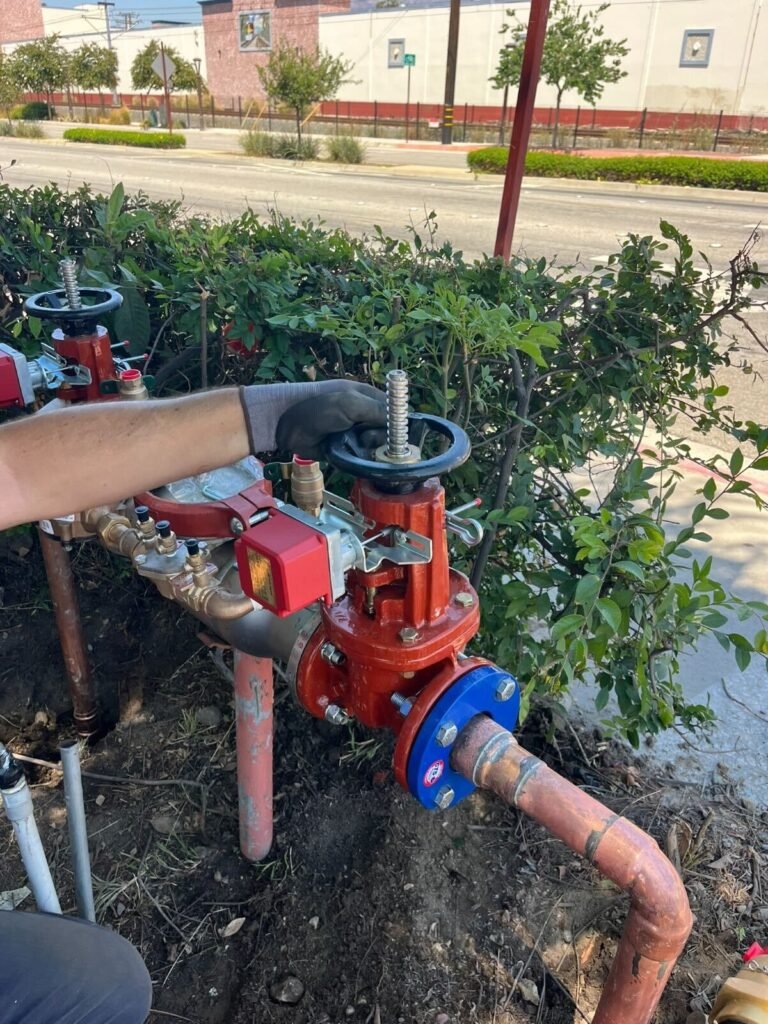
How can we say for sure if the water path is open in the sprinkler or not? The answer is the OS&Y valve. It stands for outside screw and yoke.  Let’s learn more about this detail. Is it so important when installing fire protection equipment and what should be considered when renovating? Why an OS&Y Valve Controls Access to Water in Fire Protection? How does it work? The valve stem is visible from the outside. It’s easy to tell by its position whether it is open or closed. The stem is up and an OS&Y is in the open position if water can flow. On the contrary, when it’s down, there’s no access.  Just for comparison, it is not so easy to understand the state in other types of valves. This is why OSY valves have become a true standard in fire protection. How Does an OS&Y Gate Valve (Outside Screw and Yoke) Work? The OSY valve (sometimes called OS&Y valve) stands for outside screw and yoke. Basically, it’s a valve with a visible stem. When you turn the handwheel, the stem moves up (the path for water is open) or down (closed). There are different types of valves, such as ball valves or butterfly valves. But all of them are not so visually informative. Here, visual control is built right into the design. Why OS&Y Valves Are Commonly Used as Control Valves Any contractor appreciates OS&Y valves because of their simplicity. That’s because you don’t have to guess or disassemble the system. Just a quick glance can help you see the position. Plus, this type meets most NFPA requirements. So if you want a stress-free inspection, this is definitely the valve to get. Key Benefits of OS&Y Valves—Reliable Water Supply Control Let’s summarize what has been said above. It looks like this valve has a pretty impressive list of pros: You may still have a question: how can the OSY valve relate to other fire sprinkler system components, such as sprinkler heads? No worries; you can read which head is best to choose in our article Fusible Link Sprinkler Head vs Glass Bulb Types—there’s a lot of useful information there too. Inspection, Testing, and Maintenance of an OS&Y Valve Inspectors love these valves because the inspection takes minutes (literally). All you need to do is make sure the stem is in the correct position and there is no corrosion. As you may recall, OS&Y is in the open position if all is well and water can flow freely to the outside. However, despite their simplicity, such elements require regular maintenance services. This is what keeps the system running smoothly. If you’re in CA right now, reach out to our FirePro Tech experts with any OS&Y valve issue. They will not only help you but will also explain everything in detail if you have any questions. How to Properly Inspect an OS&Y Valve The inspection process is simple, but it’s best to follow a checklist: Sometimes it is also a good idea to flush the valve to remove possible sediment. And to understand why this is important for the whole installation, it is worth understanding how a fire sprinkler works as a whole system. Testing and Ongoing Maintenance of OS&Y Valves Testing the OSY valves involves a complete cycle: close the OSY valve, then open it again. This method shows if there is no seizure. It is also recommended to lubricate the threads once a year and do a visual check. This is cheap and helps you avoid a lot of stress. So, if you by any chance need our help with OSY valves (or any other part of the system), call FirePro Tech at (818) 860-0166. Why OSY Valve Is Essential for Sprinkler and Standpipe Systems No outside screw and yoke valves? Well, the system will not be able to pass inspection and comply with regulations. This is key in residential buildings, where inspectors scrutinize every detail. That is why the outside screw and yoke are considered mandatory elements. It is like proof that the condition of the valve can always be determined visually. And this means that the fire protection will work without delays. How to Tell if an OSY Valve Is in the Open Position To tell if a valve is open, you only need to look at its construction. With the outside screw and yoke type, the stem is always visible from the outside. If it is up and the threads are clearly visible, it is a sure sign that the valve is in the open position. This means that water is flowing freely into the system. This simple visual inspection makes the OS&Y valve easy to inspect and maintain. By the way, we often share these practical tips on Instagram and discuss real-life examples on Facebook together with contractors and fire safety experts—join us there to keep in touch!

How to fire sprinklers work from professionals' point of view
Sprinkler Components, Sprinkler Systems

How Does Fire Sprinkler Work

Understanding how fire sprinklers work is not only crucial for fire safety professionals. Every homeowner and tenant needs this knowledge. Let’s look at this mechanism together and find out how a fire sprinkler works in your property. How does fire sprinkler work? Well, fire sprinkler operation depends on the heat. Every sprinkler reacts to high temperatures, but not all the sprinkler heads react at the same time. Only the one closest to the source of the heat activates first and sprays water under pressure. This way, the flames get caught and the entire room doesn’t end up flooded. And yet, how do fire sprinkler heads work? In short, they work locally: the system doesn’t open all the heads at once, but only those that are close to the risk. How Are Fire Sprinklers Activated? The sprinkler mechanism operates thanks to a heat-sensitive element. Most models use: The element (whatever it is) collapses as soon as the temperature reaches up to 165°F. This releases the valve. The pressurized water then immediately rushes out. This, as you can see, results in a fast and precise response to a fire. Water Supply and Deactivation of Fire Sprinklers How Fire Sprinkler Water Supply Works Important note here: a water source connection is usually a must. City mains is the best option for residential homes. Larger facilities, in their turn, often have tanks and pumps. The water is piped and pressurized. Pressure ensures that a triggered sprinkler will release the spray instantly. Steps for Deactivation After Sprinklers Work After activation, it is necessary to manually deactivate the system: Types of Fire Sprinkler Systems Wet Pipe Sprinkler Systems This is a super popular type of a fire sprinkler mechanism. How do fire sprinkler heads work here? As we described just above. The pipes are constantly filled with water. When the head is triggered, the liquid is immediately spurted out. It is a perfect choice for residential buildings. Dry Pipe Sprinkler Systems What’s the main difference between wet pipe and dry pipe sprinklers? In this case, the pipes are full of air (or nitrogen sometimes). No water before the heat. The dry valve opens because of the heat and releases water. So, there is a slight 2-sec delay. Components of Fire Sprinkler Systems Sprinkler Heads They are the central elements of the system. There are pendant, upright, and sidewall heads. Each has a sprinkler to spray water evenly. Also, there are two types of heads, link sprinkler heads and glass bulb sprinklers, which look alike but still are very different during emergencies. Water Pipes These pipes carry water to each head. Material can differ due to the type of the facility: it can be steel or copper. Sometimes they use CPVC for residential homes. Main Control Valve This regulates the water supply to the mains. Always keep it open! And, of course, remember you should protect it against unauthorized shut-off. Fire Alarm System Almost any modern fire sprinkler mechanism comes with an alarm monitoring system: as soon as activated, an alarm sounds. This alarm sends a message to the fire department and triggers an alert for the people inside the building. What Happens if Fire Sprinklers Work Accidentally? Sometimes fire sprinkler operation can be a little bit off. But there is always a reason! Don’t try to replace your sprinkler system after something went wrong (by the way, do you know how much it costs?). First, get to know why it hapened. Here, for example, are the main causes: What should you do in such a case? First, shut off the water as soon as you can. Your second step is calling a contractor, such as FirePro Tech, and fixing the moisture while waiting for them.  What to Do if Fire Sprinklers Don’t Work Properly? If the head has not worked properly in a fire, it is extremely dangerous. Usually the problem lies in a clog or incorrect temperature rating. It’s really easy to fix. But sometimes it’s in valve malfunctions and we have to replace it. The best way to avoid this is regular maintenance (and don’t forget about a 5-year inspection) with a professional contractor. Best Practices for Fire Sprinkler Installation and Maintenance How do fire sprinklers work without interruptions? Checklist! Mentally check the boxes if you: Common Fire Sprinkler Myths Debunked Myth number one: the heat triggers all heads at once. But that’s obviously not true. As you already know, only the one that is heated can be active. Another myth is that smoke can trigger the system. In reality, smoke has no effect on anything. The sprinkler reacts solely to heat. And third, people often say water is more harmful than fire. But actually water consumption in this case is minimal. And the best part of it is that it localizes the fire faster than fire hoses. Conclusion: Why Understanding How Do Fire Sprinklers Work Matters Now you know how fire sprinklers work and what elements affect their reliability. These systems save lives and reduce fire damage. But their effectiveness depends directly on proper installation and regular maintenance. By the way, you can find them among our services. What you need is just to call at (818) 860-0166 and find out the workload of our techs. And while you’re listening to the dial tone on your phone, we invite you to subscribe to our Facebook and Instagram. Let’s be friends and figure out how does fire sprinkler work together.