FirePro Tech

Commercial Fire Protection

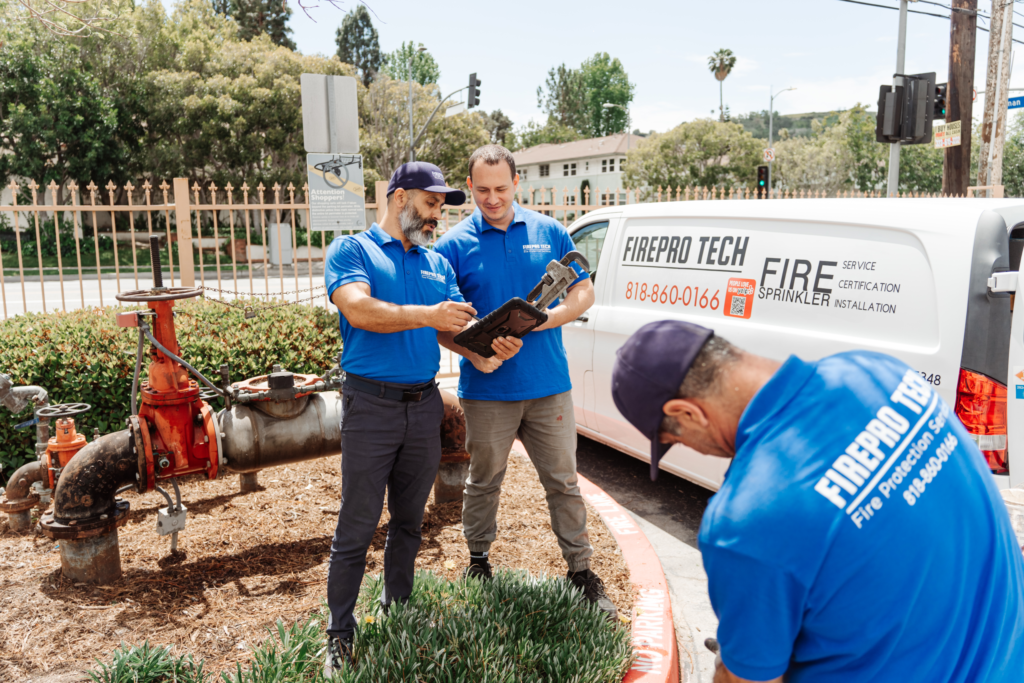
technicians discuss Fire Sprinkler Inspection Requirements
Commercial Fire Protection, Fire Sprinkler Test, Residential Fire Safety

Everything About Fire Sprinkler System Inspection Requirements

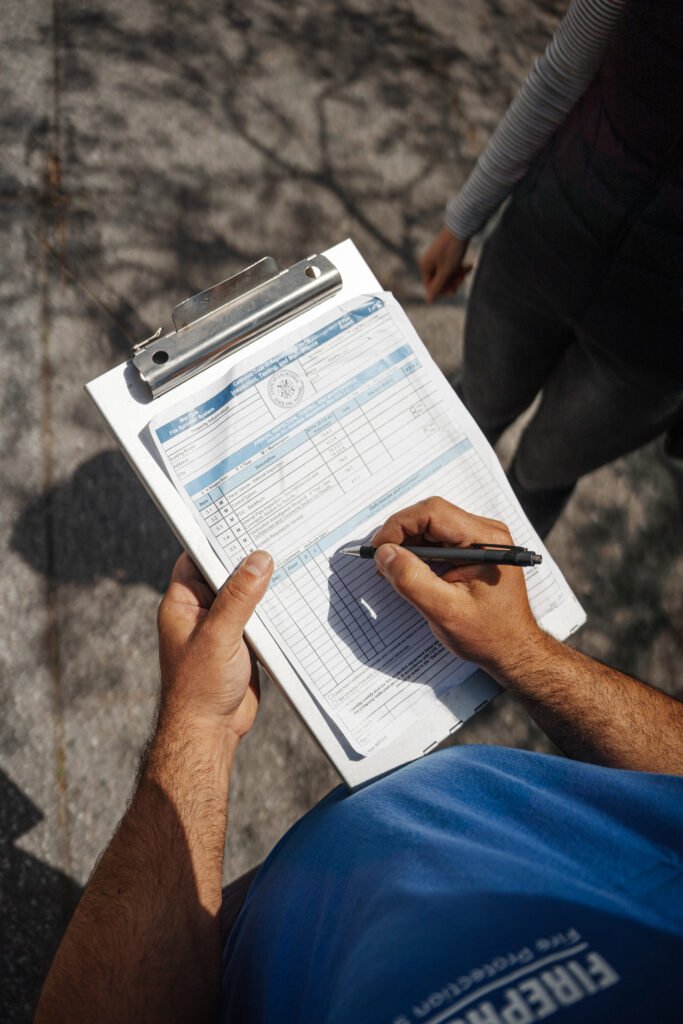
A fire sprinkler system is a kind of protection that should operate in the most stressful conditions. Since it guarantees your safety from a disastrous element like fire, it’s no wonder there are strict fire sprinkler system inspection requirements. In this article we are going to break down all of them so you can clearly see what’s important and why. Keep reading to learn secrets of California fire sprinkler inspection requirements and pass your inspection smoothly.  What Is Fire Sprinkler Inspection? As with any inspection, this one is made to ensure everything works as designed so the system won’t fail when needed the most. An inspector checks system components, water supply, valves, alarms, piping, sprinkler heads, and everything else. Among other California fire sprinkler inspection requirements, there are some crucial statements, like compliance with NFPA 25. In addition, your sprinkler system also should fit local building and fire codes. You might think that inspection and testing are the same thing. We cleared this question in our Fire Sprinkler Inspection & Testing: What You Need to Know article. In short, testing is done to find out and fix all issues with the system, while inspection confirms everything is alright.  Importance of Fire Sprinkler Inspection When there is no fire, you might think that system isn’t your first priority, so you put the inspection away. However, this action can be a regretful solution if something bad happens. Regular inspections ensure: As you can see, inspection requirements ensure that families will stay safe and protected from fire hazards.  Fire Sprinkler Inspection Requirements Frequency NFPA 25 provides a certain frequency for each type of system and property type. It’s important to remember that it’s up to authorities to adopt these intervals or assign others. In any case, regular service is also a part of fire sprinkler inspection requirements. For a deeper comparison of inspection intervals, read How Often Should a Fire Sprinkler System Be Inspected?. Regular Inspection Schedule: Quarterly, Semi-Annual, and Annual Checks Most systems follow this schedule: Quarterly Inspections Semi-Annual Inspections Annual Inspections In addition, internal pipe inspections and obstruction investigations may be required every five years. These intervals form the backbone of standard fire sprinkler system inspection requirements across commercial and residential properties. What to Inspect in a Fire Sprinkler System When you’re trying to meet inspection requirements for commercial properties, it’s crucial to remember that they involve a more detailed review. This is made to ensure safety even in big and highly occupied spaces. However, it won’t be a disadvantage to meet these standards in residential properties as well.  Key Components to Check During an inspection, professionals evaluate: Water SupplyAdequate water pressure and reliable connection to municipal or private sources. Pipes and FittingsLeaks, corrosion, obstructions, mechanical damage, and secure hangers. Control ValvesProperly positioned (open), sealed or locked where required, and free from damage. Sprinkler HeadsNo corrosion, paint, loading (dust/debris), or physical damage. AlarmsProper functionality of water flow alarms and supervisory signals. DetectorsIntegration with fire alarm systems where applicable. By the way, we were called the best fire sprinkler company in Glendale, so you can have a professional testing of your fire sprinklers with us. Visual Fire Sprinkler Inspection Requirements  It might seem like a preferable thing to do a visual inspection on your own, thinking you’ll notice if something is wrong. However, preventive visual inspection helps identify obvious deficiencies before they escalate. California fire sprinkler inspection requirements highlight the importance of visual checks.  Visual Inspection Checklist A professional fire sprinkler inspection checklist should include reviewing: LeaksAny signs of dripping, moisture accumulation, or pressure loss. Physical DamageBent pipes, broken sprinkler heads, or damaged fittings. CorrosionRust buildup on pipes, fittings, or heads that may restrict flow. Paint IssuesSprinkler heads should never be painted. Paint can prevent proper activation. Incorrect OrientationSprinkler heads must be installed in the correct upright, pendant, or sidewall position. Minimum ClearanceClearance is a crucial element for proper functioning of sprinkler heads. Ensure there is enough space from any obstructions around it.  You can use this list as a fire sprinkler inspection checklist to prepare before a real inspection with a professional technician. As well, visual checks are part of sprinkler maintenance. Our guide on Home Fire Sprinkler System Maintenance Tips provides a comprehensive insight into everything you should know about maintenance.  Fire Sprinkler Inspection Report Requirements The inspection won’t be valid without a detailed report. In this document, specialists will find a clear demonstration of compliance with fire sprinkler inspection requirements. A proper inspection report should include: For commercial facilities, maintaining accurate records is essential to satisfy fire marshals and insurance carriers. This is especially important for commercial properties, where audits and documentation reviews are common. Ensuring Proper Function and Compliance There are things we hope you’ll never have to see in action, and fire sprinklers are on this list. However, it’s impossible to escape a fire with minor damage without it. And we are strongly convinced that it’s cheaper to maintain your system from time to time than to calculate losses if it won’t activate during the fire. That’s the reason behind the importance of meeting fire sprinkler inspection requirements. It’s not a question of meeting fire sprinkler system inspection requirements only once after installation. Your system should stay in perfect condition all of the time, so both routine visual checks and annual or five-year testing are crucial to stay safe.  At FirePro Tech we are experts in California fire sprinkler inspection requirements, so with us you can be sure that all of them will be compliant with all state and local codes. Proactive inspections today prevent catastrophic failures tomorrow — and that’s a responsibility no property owner can afford to overlook
business fire safety experts
Commercial Fire Protection, Fire Safety Tips

10 Fire Safety Business Tips to Protect Your Workplace

Let’s be honest: every company must pay as much attention to business fire safety as to financial planning or team development. Here are some practical and simple tips to protect your workplace and not to worry about your business space. Look Beyond Basics: Conduct a Comprehensive Fire Risk Assessment Fire risk assessment is the first step towards reliable fire safety for businesses. And it’s not only about fire extinguishers or fire exits. It’s more about hidden dangers. We mean old electrical wiring or overloaded sockets here; they are often a big threat. For buildings with sprinkler systems, it is worth understanding when they are mandatory in commercial buildings. This is not only a safety issue but also a legal compliance issue. Put It in Writing: Build a Fire Safety Plan for Business Without a clear fire safety plan for businesses, it’s impossible to operate effectively. The document should include: Do you own an office or store? Then create a simple and clear fire safety plan for business. It will allow employees to react faster and definitely avoid panic. This plan is a solid foundation of fire safety business has to have. Stay Protected: Install Fire Detection & Suppression Systems Smoke detectors, alarms, and automatic extinguishing systems are the basis of modern protection. But installing them is not enough. The secret here is maintaining and testing them regularly. Different systems require different inspection schedules. For example, there are differences between five-year and annual inspections, as detailed in the comparison of types of fire inspections. These inspections are the key to ensuring that the equipment is in good working order at a critical moment. Train to React: Regular Fire Drills Save Lives Staff training is a practical part of business fire safety. Only through repetition can employees remember evacuation routes and fire behavior rules. Regular drills improve fire safety for small businesses. How? They simply reduce the risk of chaos in a real-life situation. Share Responsibility: Assign Fire Safety Roles Assigning fire safety roles obviously helps maintain discipline and control. When everyone knows their role, fire safety for businesses becomes an effective system, not just a set of rules. This can be easier if it’s a large business (the more employees, the easier it is to assign roles). However, don’t forget that this is part of fire safety for small businesses too. Keep It Clean: How to Prevent Hazards Chaos and clutter often lead to tragedy. How can you avoid it? And what are the most basic rules of fire safety business really needs to follow? These are simple steps, but they are critical to fire safety for businesses. Check the Wires: Monitor Electrical Systems Carefully Old cords or faulty equipment can cause a fire. It is important to perform preventive maintenance, replace damaged cords and check appliances. This is the bare minimum business fire safety. You should combine detailed tests of electrical systems with regular testing of fire suppression systems—this is the only way to be sure that the protection will work at any time, it is the basis of fire safety business really needs. Stay Ahead: Inspect, Review and Stay Compliant Fire safety is not a one-time action. It’s a process. Review your fire safety plan for business from time to time and keep up to date with your state legislation. For reliable business fire safety, trust FirePro Tech: call (818) 860-0166, and we’ll get your business protected quickly. For more helpful tips, check out our Facebook and Instagram.

fire sprinkler insurance specialist
Commercial Fire Protection, Fire Safety Tips, Residential Fire Safety

Why Insurance Companies in California Require Fire Sprinkler Maintenance

Fire sprinkler insurance in California sounds like a simple safety guarantee. But it’s actually a little more complicated. Many home and business owners believe that if they have a sprinkler, the insurance will always work. In fact, insurers require regular maintenance of the system. Without it, you could face an unexpected insurance denial in the event of a fire. Fire Sprinkler Insurance and Claim Denials Imagine there’s a fire in the office. The sprinkler system seems to be in place. But there is one detail: no one has checked it for the last couple of years. When the insurance company arrives, the specialists immediately notice this: the system may have failed to work in time precisely because of the lack of maintenance. For the insurer, this is reason enough to refuse to pay out. It sounds harsh, but insurers operate by the rules. It’s not only important to them that the system is in place but also that it’s in good working order. If it fails to work due to lack of maintenance, the owner is fully responsible. That’s how fire insurance coverage in California works. Fire Insurance Coverage in California – The Rules California’s commercial fire insurance coverage regulations are quite strict. According to the U.S. Environmental Protection Agency (EPA), the state has to deal with fires more often than other regions of the United States. That’s the reason why fire insurance coverage in California necessarily includes a clause on the technical condition of fire systems. Several basic rules apply here: So, as you see, fire sprinkler insurance is not only a signature in the contract but also an obligation to keep an eye on the equipment. Home Insurance Fire Coverage and Sprinklers Homeowners often think, “I have regular basic insurance, which means I already have a protection.” But home insurance fire coverage is exclusively about sprinklers. If a home has a system, the insurance company expects it to be in good working order. And the only way to prove that it’s in good working order with timely and proper testing. What’s more, serviceable sprinklers can even lower the cost of the insurance. It’s better to minimize all the risks. But if the system is broken and the owner didn’t notice it, the consequences will be unpleasant. Commercial Fire Insurance Coverage Requirements For businesses, the commercial fire insurance coverage requirements are even stricter than for residential homeowners. Commercial fire insurance coverage includes not only sprinklers, but also regular reports on their condition. Larger companies even hire separate service organizations to keep logs of inspections. Imagine a store, a warehouse, or a restaurant. Any system failure here means huge losses. And the insurer is only willing to pay if the owner has proof that he did everything possible to prevent the disaster. So, don’t forget about annual and 5-year inspections to check if everything is still fine with your system. The Cost of Skipping Maintenance Why spend money on skipping maintenance? It’s all working! Well, that’s a common mistake. The cost of this frugal approach can be catastrophic: So, a small saving today turns into a big expense tomorrow. Be careful not only of the requirements for installing a sprinkler system but also of how it behaves in real life afterward. Protect Your Insurance and Your Property Fire sprinkler insurance in California is not just a formality. It is a guarantee that in a critical moment the protection will work and the insurance will cover the losses. To protect yourself, there are three simple steps to remember: have your system inspected at least once a year, keep all inspection records, and only work with licensed companies. To get your system tested, please contact us. That’s exactly what FirePro Tech is: call us at (818) 860-0166, and we’ll be there in no time to make sure you and your system are safe. Our team shares more helpful tips and real-life case studies on our social media channels: Facebook and Instagram. Subscribe to save your property and your nerves safe and sound.

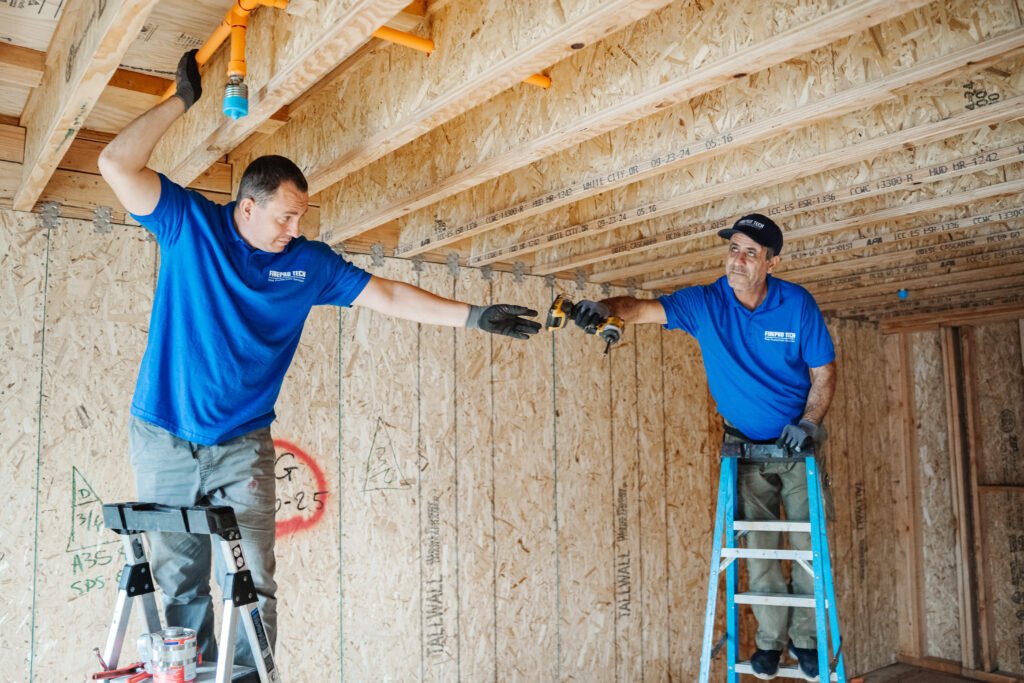
Example of when is a sprinkler system required in a commercial building
Commercial Fire Protection

When Is a Sprinkler System Required in a Commercial Building

A newly built space for your business is always great, but we all know that behind a beautiful picture there is a lot of effort. And at the planning step you’ve probably asked a question: “when is a sprinkler system required in a commercial building?”. Not to mention fire safety, there are some California regulations that should be taken into account in order to make everything correctly. In this article we will help you to sort out when are fire sprinklers required in commercial buildings.  When is a Fire Sprinkler System Required? Let’s crack it: when is a sprinkler system required in a commercial building and ehat buildings go under that regulations? California Fire Code gives us a list of requirements: But keep in mind that there are areas with stricter regulations because of higher fire risks. Among them Los Angeles, Sacramento and San Bernardino.  Who Regulates the Requirements for Fire Sprinkler Systems? If “when are fire sprinklers required in commercial buildings” isn’t your only question, read further. We know who comes up with all the fire sprinkler system requirements in California:  To understand specific commercial sprinkler system requirements for your city, always check in with the local fire marshal or building department.  Which Commercial Buildings Should Have a Sprinkler System? Let’s look at the question “when is a sprinkler system required in a commercial building” from the other side. If you’re uncertain if your building considered commercial, take a look at our examples:  Important note: if a commercial building has significant renovation or changes in its type it might lead to the firesprinkler retrofit. For example, if the space was a warehouse once but became an event space, you should keep in mind different commercial building sprinkler system requirements.  Alternative Ways To Protect Your Building Without a Fire Sprinkler System? If sprinkler requirements for commercial buildings are not enough, there are some alternative ways to improve your fire safety. They are also suitable for smaller buildings or where sprinklers are not yet mandatory. Active Fire Protection The most well-known example of an active fire protection is the fire extinguisher. CCR requires them in all buildings without exceptions. Also Title 8 CCR §1933 claims that extinguishers must be: Active fire protection includes fire alarms and detectors as well. NFPA 72-compliant alarm systems, smoke detectors, and manual pull stations provide early warning. These systems are crucial where sprinklers aren’t required or used as a redundancy layer. Passive Fire Protection These are built-in systems designed to contain or slow the spread of fire. The most obvious ones are fire-rated construction floors and walls. Special materials there prevent the spread of fire between rooms and floors. California Building Code requires these in most multi-tenant commercial and residential buildings.  To achieve the best of alternatives for commercial building sprinkler system requirements we recommend combining them.  Local and State Regulations Impacting Fire Sprinkler Requirements While the California Fire Code provides a statewide framework, local sprinkler requirements for commercial buildings often dictate enforcement. For example: These jurisdictions apply their own municipal fire codes alongside state mandates. Ignoring local rules can result in failed inspections or denied occupancy permits. Adherence to Local Codes and Regulations In order to answer “when is a sprinkler system required in a commercial building?”, we need to line up with local codes and regulations.  Penalties for Non-Compliance Failing to meet commercial building sprinkler system requirements can lead to: In addition, insurance companies may also deny coverage or increase premiums for non-compliant properties. 8 Mistakes Entrepreneurs Make with Commercial Fire Sprinkles And What To Do About It Mistake How to Fix It Not consulting local fire officials  Always check city regulations Delaying fire system installation Do it early in the design phase Hiring unlicensed contractors Use only C-16 licensed professionals Ignoring system maintenance Schedule annual inspections Blocking sprinkler heads Maintain 18″ clearance Failing to consider building use changes Each occupancy type has unique rules Underestimating water supply needs Check pressure and flow rates Skipping permits Always pull the correct fire protection permits Fire Sprinklers in Historic Homes. Is It Possible to Retrofit Without Impacting Aesthetics? CA has sprinkler requirements for commercial buildings and of course there are regulations for elder homes as well. Here some ideas for retrofitting sprinklers in historic California homes (e.g., Craftsman or Victorian styles): Work with a specialist familiar with historic preservation codes like FirePro Tech, especially in areas like Pasadena or San Francisco’s Heritage Districts. Fire Protection as a Selling Point: How Safety Features Attract Tenants Modern tenants and commercial lessees often prioritize safety. Marketing your property as “fully fire-sprinklered”: The True Cost of Fire Damage to Businesses According to CAL FIRE, average fire damage to a commercial building in California can exceed $300,000. Indirect costs include: Installing a sprinkler system is a fraction of that cost and reduces property loss by up to 65%. Why Choose Fire Pro for Your Fire Sprinkler Installation? Fire Pro is a trusted California-based fire protection contractor with: We handle everything from design and permitting to final inspection, ensuring full compliance and peace of mind. Conclusion  When are fire sprinklers required in commercial buildings? Depends on your area and commercial building type. But at FirePro Tech we recommend not to play with fire and install this system anyway. Dial this number (818) 860-0166 and get your protection according to fire sprinkler system requirements. Follow us on Facebook and Instagram to always be updated with the latest commercial sprinkler system requirements.