
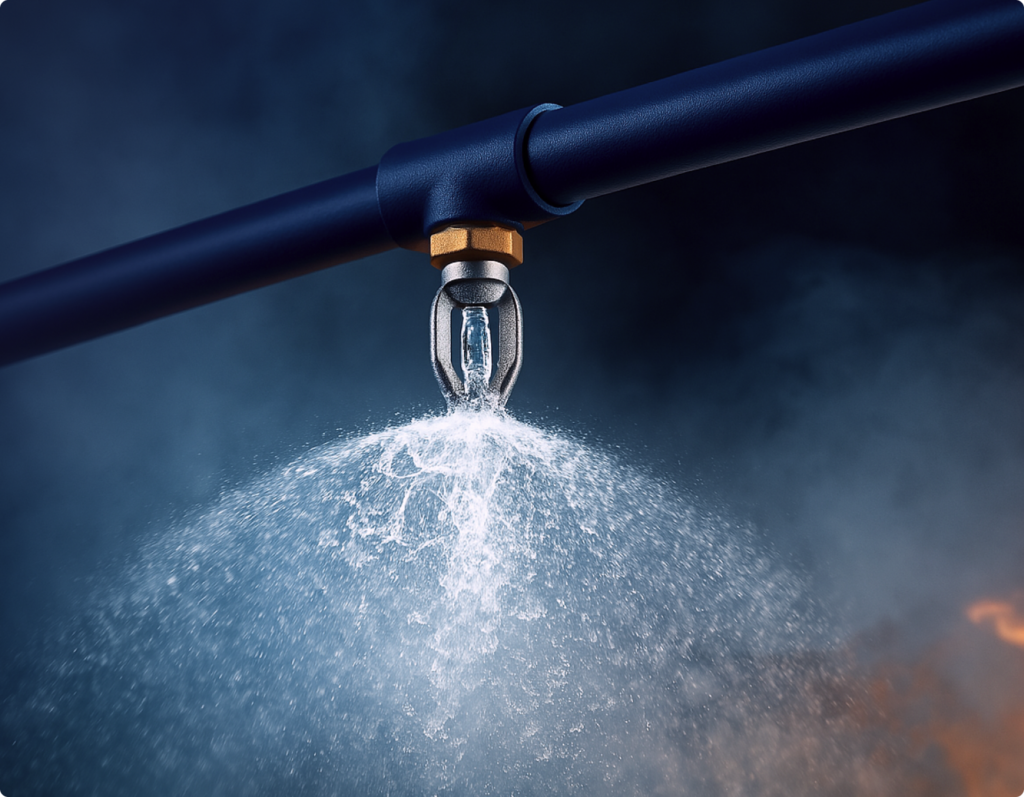

Fire Sprinkler System Pressure Problems usually come out when the water flow of a sprinkler system is too low to be effective during a fire emergency. Proper fire sprinkler pressure is vital. It enables sprinklers to perform fast, as well as distribute enough water to struggle against flames.
When fire suppression system pressure gets below the necessary levels, sprinklers may lower their speed. As a result they don’t provide enough water coverage or don’t contain the fire as they should. Popular reasons are damaged pipes, leaks, faulty valves, clogged components, or municipal supply problems that result in low water pressure. These issues vividly reduce emergency response efficiency and contribute to fire safety risks. It’s essential to carry regular pressure testing and inspections to make sure sprinkler systems are reliable and correspond with safety standards.
Common Causes of Fire Sprinkler System Pressure Problems
There are several points that generally bring to fire sprinkler pressure problems and affect fire protection system reliability. One of the main common causes is pipe leaks. They lead to pressure loss and water reduction. Sprinkler heads that underego corrosion and are clogged can also restrict water flow.
Partially closed valves оr faulty control valves also appear to be a great source of fire sprinkler system issues that prevent normal water distribution. Problems with backflow preventers may interfere with water supply pressure, while municipal water interruptions can temporarily weaken the whole fire suppression system. Sometimes, faulty pressure regulators can’t provide stable pressure, resulting in inconsistent sprinkler activation. It’s important to diagnose these problems on time and provide dependable fire protection when it matters most.
Fire Sprinkler Head Obstructions and Flow Restrictions
A fire sprinkler head obstruction has its negative impact on the system functioning during a fire emergency. Paint, dust or some foreign material close to the deflector plate can also become a reason for improper spray distribution. Long-term moisture impact can contribute to internal corrosion, and scale buildup produced in older galvanized piping narrows water pathways. Corrosion, sediment buildup, mineral deposits and rust may appear inside connected pipes or sprinkler heads, forming a fire sprinkler blockage that limits water flow. That’s how fire suppression response delays. These obstructions cause uneven spray patterns and reduced water flow.
In the worst cases, blocked sprinkler heads may cause property damage and safety risks by preventing enough water from reaching the affected place. Obstructions are also likely to bring up persistent fire sprinkler pressure problems. The movement restriction through the system creates unstable operating pressure.
Pipe Leaks and Pressure Loss in Fire Sprinkler Systems
Fire sprinkler pipe leaks are rather common causes of inconsistent system performance and dangerous pressure drops both in commercial and residential fire protection systems. Even unnoticed fire sprinkler system leaks may result in progressive pressure loss, by reducing the available water when sprinklers activate during an emergency. With time, corrosion inside steel pipes are affected by corrosion which in its turn may weaken pipe walls and cause pinhole leaks. It especially refers to older wet pipe systems susceptible to constant moisture.
Another significant risk is freezing temperatures. In unheated spaces, water can freeze, consequently expand and crack sprinkler lines. Construction work damage, accidental hits from forklifts or vibrations can damage fittings and pipes as well. When fire suppression system pressure gets unstable, sprinkler heads can function irregularly or even fail to deliver enough water coverage.
Valve Problems That Affect Sprinkler Pressure
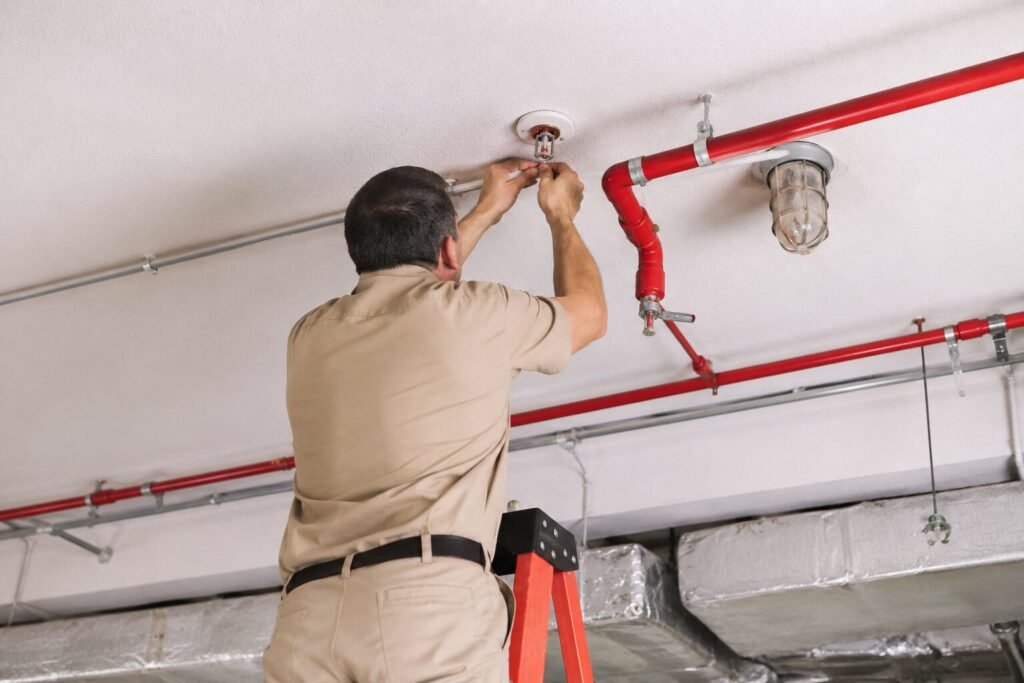
A partially closed or broken valve can cause real water flow restriction in a fire sprinkler system. A broken valve or partially closed control valve can create serious water flow restriction inside a fire sprinkler system. One widely spread problem comes out when butterfly or OS&Y valves are only partially open after maintenance or inspection. Even a 20–30% closed valve can reduce the pressure at several sprinkler heads. Old valve stems, accumulated trash, damaged seal, or corrosion, can significantly result in malfunctioning valves which blocks water flow.
Common sprinkler valve problems involve the following points:
weak water discharge during flow tests,
fluctuating pressure gauge readings,
vibration in pipes,
late sprinkler activation,
and audible hissing around valve assemblies.
Malfunctioning check valves of dry pipe systems may stick partially closed. That slows water discharge to the activated sprinklers. Just as in all the other cases regular inspections are essential to prolong the lifespan of a unit.
Water Supply and Backflow Preventer Issues
The issues concerning the building’s water connection may easily impact the pressure in a fire sprinkler system. A low water supply from the municipal line issue results in sprinkler flow getting slower and weaker during emergency situations. Underground pipe damage, closed supply valves, or city maintenance work are Other spread causes of poor incoming flow are city maintenance, pipe damage, closed supply valves.
A malfunctioning backflow preventer also has its negative impact on proper system functioning. Internal check valves can get stuck as a result of mineral accumulation, debris, or rust. Those create unseen obstacles inside the unit. Such kinds of water pressure issues generally result in fluctuating gauge readings, late refill times after inspections, or improper performance in the process of water flow testing.
Other vivid reasons for restricted sprinkler water supply involves:
vibration in pipes,
uneven discharge pressure
and unusual noises around the backflow assembly.
How Incorrect Pressure Affects Fire Sprinkler Performance
Both insufficient and excessive pressure can cost the fire protection system efficiency. When a system interacts with low water pressure, the heads of the sprinkler usually produce weak flow patterns. They are not enough to control flames properly. In higher buildings, reduced flow doesn’t let water get to upper levels or fоr sprinkler areas during an emergency.
High water pressure can still create constant stress for fittings, pipes and sprinkler heads. After some period of time, this may cause damaged seals, leaks, vibrating pipes, early wear. Excessive force at the activating moment in its turn creates unstable and unpredictable spray distribution.
Regulating and balancing the fire sprinkler pressure is vital for code compliance and dependable suppression. A correctly calibrated sprinkler pressure regulator controls discharge conditions, contributes to stabilizing the system operation, and provides protection of critical components from pressure-caused damage.
How to Troubleshoot Sprinkler Pressure Problems
In order to troubleshoot sprinkler pressure problems, professionals usually start with a complete visual inspection of the system.
Step 1
First one should check pipes, joints and leaks for obvious leaks and corrosion, as well as moisture that could result in pressure loss. Even unnoticeable fire sprinkler leaking can worsen the system functioning during activation.
Step 2
Then a detailed sprinkler inspection should be carried out. It includes examining sprinkler heads, dust accumulation, paint buildup, or physical damage. Control valves are also to be checked to make sure they are operating properly.
Step 3
The third step requires detailed pressure testing using special professional equipment to measure water supply consistency and ensure proper pressure presence. Our technicians may as well check pressure regulators and backflow preventers.
If any damage is discovered, professional fire sprinkler repair helps return reliable fire suppression performance.
Fire Sprinkler System Maintenance and Pressure Prevention
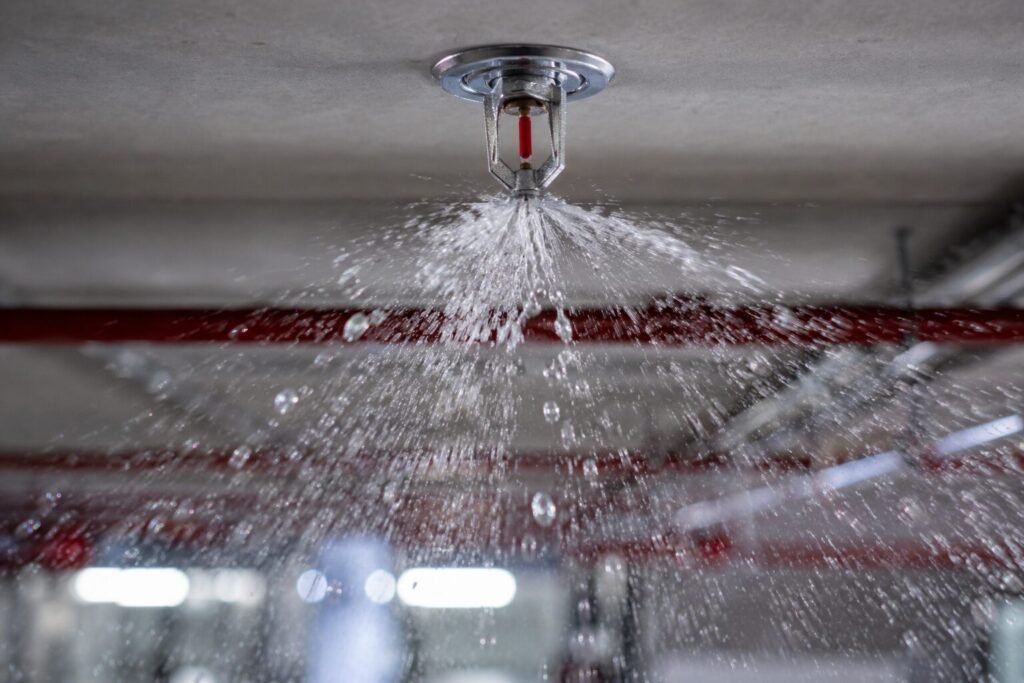
Regular system inspection and care are essential to prevent pressure-related situations. During usual fire sprinkler inspection, fittings, pipes and sprinkler heads are carefully checked to identify leaks, corrosion, mineral buildup or physical damage if any. Valve assemblies are to be checked as well. They must be completely open and free of internal obstacles.
Detailed pressure monitoring identifies unstable gauge readings, restricted flow conditions or hidden drops before they fail emergency operation. Flow tests and gauge calibration are usually carried to ensure proper system functioning.
Professional service also provides alarm connections, backflow preventers and pressure regulators check to identify blockage or mechanical wear. Regular fire sprinkler maintenance as well as scheduled fire sprinkler system maintenance service provide code compliance, flexible emergency readiness and long-term reliability.
When to Call a Professional
Contact a sprinkler repair professional whenever you notice signs of performance damage or issues, such as unexpected pressure drops, serious pipe leaks, damaged sprinkler heads as well as repeated alarm activation. The points always require immediate inspection. Electrical malfunctions must never be held without professional support or training.
Constant pressure swings may also demonstrate hidden threats, like blocked valves, pipe corrosion, or supply line restrictions. Those require professional diagnostic equipment. Attempts to DIY repairs performance on regulated fire protection systems can result in an unreliable emergency operation and code violations.Booking a professional inspection is very important, especially after failed flow tests, construction damage or freezing. For complex sprinkler system repair, seasoned professionals specializing in fire protection Los Angeles services can restore compliant and safe system functioning.
Conclusion
Fire sprinkler system pressure problems can negatively affect the efficiency of your building’s fire protection system. Such problems as blocked sprinkler heads, leaks, faulty valves, and unstable water supply may lead to dangerous sprinkler pressure issues during an emergency situation. Regular checks and testing help to keep the system reliable and safe. Consistent sprinkler system maintenance early detects hidden threats and prevents costly failures. It enhances the long-term fire safety performance in commercial and residential properties.