
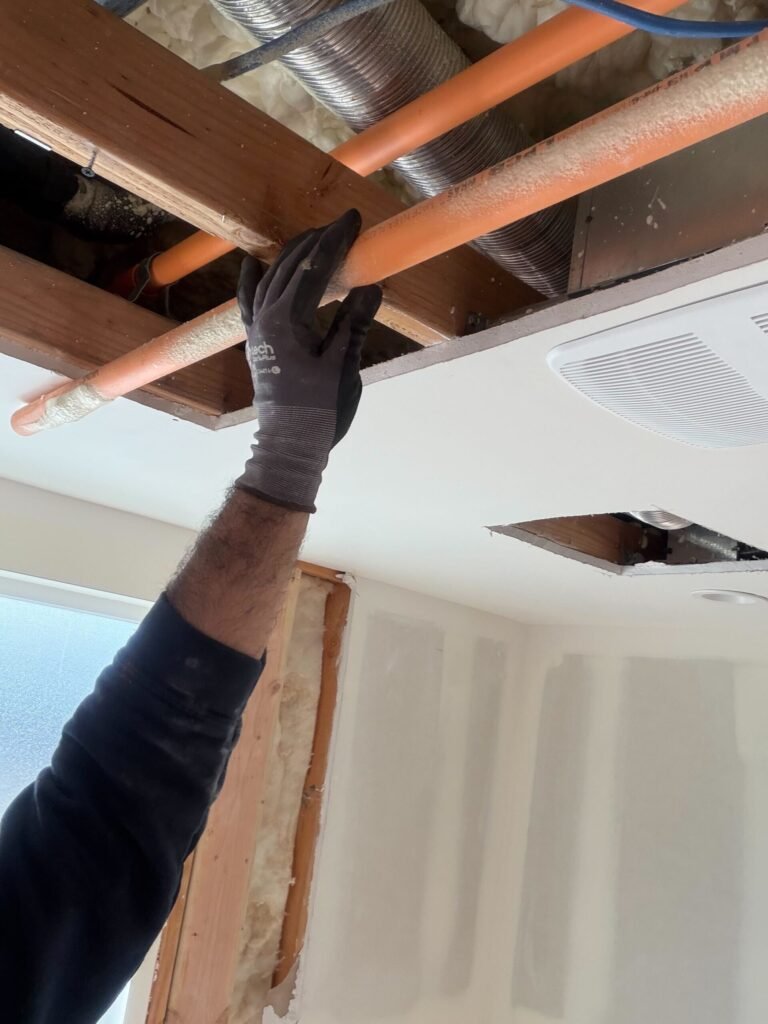

What Is NFPA 25 and Why Does It Matter for Your Sprinkler System?
NFPA 25 is the standard that governs inspections, testing, and maintenance for water-based fire protection systems. Control valves, sprinkler heads, pipe condition, water supply — all of it falls under this one document. If your building has a sprinkler system, the nfpa 25 standard is already your responsibility.
A common misconception is that older buildings are exempt. They’re not. NFPA 25 is specifically designed for building owners and has no grandfathering clause — even older systems must comply with current standards. Age is not a valid reason to skip inspections. Understanding the full scope of nfpa 25 inspection requirements is something every building owner should prioritize.
Key Requirements and Latest Revisions
The nfpa 25 inspection requirements cover a lot of ground. Recent editions tightened the rules on obstruction investigations, internal pipe checks, and corrosion monitoring. Documentation got stricter too — every inspection needs a written report, and those records have to stay current. No report means it didn’t happen, as far as compliance goes.
Key areas the standard covers:
- Control valve position and condition
- Water flow alarms and pressure gauges
- Sprinkler head integrity and spacing
- Pipe corrosion and obstruction checks
- Fire department connections
Who Is Responsible for NFPA 25 Compliance?
Primary responsibility sits with the building owner — full stop. The contractor shows up and does the work. But making sure it happens on schedule, and that records stay current? That’s on you.
How Often Do Fire Sprinkler Systems Need to Be Inspected and Tested?
Most property owners assume an annual visit covers it. It doesn’t. Fire sprinkler systems must be inspected weekly, monthly, quarterly, annually, and every 5 years per NFPA 25. Different intervals, different components. Skip any one of them and you’ve got a gap.
Weekly and Monthly Checks
Weekly checks focus on control valves — confirming they stay in the open position. Monthly checks expand to include water pressure gauges, fire department connections, alarm valves, and vane-type waterflow devices.
These don’t require a licensed contractor. Trained building staff can handle them. But they must be documented — undocumented checks don’t count for compliance purposes.
Quarterly and Annual Testing Requirements
Quarterly is for waterflow alarms and supervisory signals. Annual goes further — main drain tests, anti-freeze concentrations, and every sprinkler head checked for corrosion or damage. That’s a meaningful difference in scope.
For California properties, meeting the nfpa 25 california compliance schedule also ties into local AHJ (Authority Having Jurisdiction) requirements. Some jurisdictions add mandates beyond what the nfpa 25 standard requires — always check locally before assuming the national schedule is the whole picture.
5-Year and Long-Term Inspection Intervals
Every five years, the system needs internal pipe inspections for obstruction and corrosion buildup. Sprinkler heads in high-temperature or chemically harsh environments also require replacement testing at this interval.
If your system is approaching this milestone, understand what a 5-year fire sprinkler inspection covers before scheduling. It’s more involved than a standard annual visit. And if you ever need to isolate the system during maintenance, know how to turn off your fire sprinkler system safely before work begins.
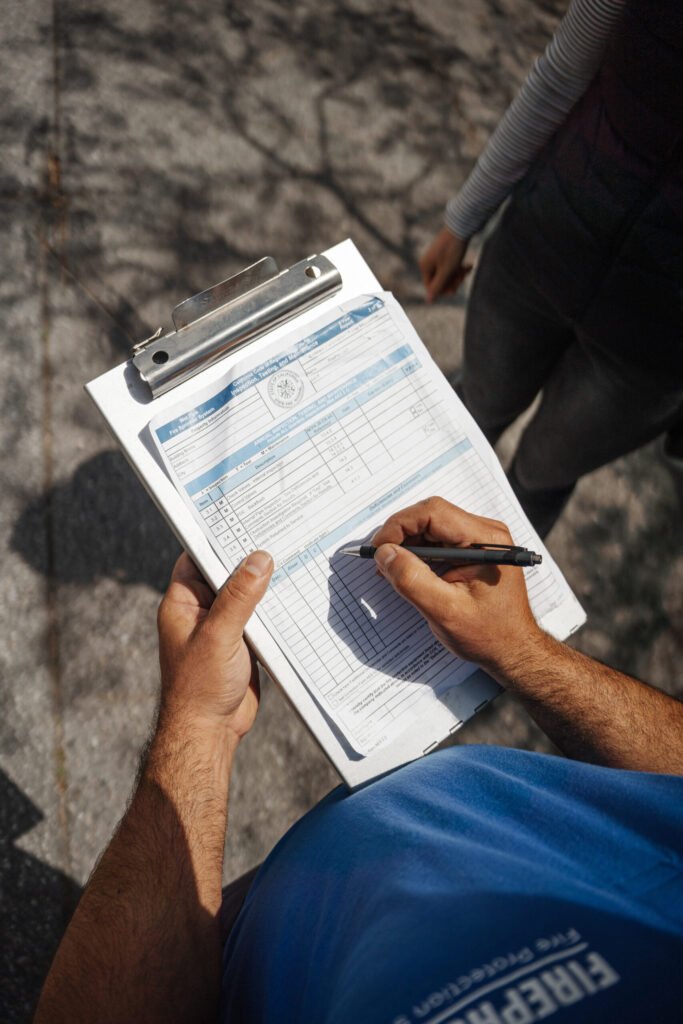
What Happens When You Skip Fire Sprinkler Inspections?
System Failure When It Matters Most
A sprinkler system that skips regular testing is a system you can’t count on. Stuck valve, clogged head, pressure that’s dropped without anyone noticing — any one of those can stop the system from doing its job. During a fire is not when you want to find out.
Fire Code Violations and Legal Liability
Fire authorities run routine audits. When they find gaps in your inspection schedule, the consequences are real — fines, shutdowns, and sometimes personal liability for the building owner. “I didn’t know the schedule” doesn’t help you in that conversation.
Insurance Claims Denied or Coverage Lost
Most commercial property insurers require documented proof of inspection. Without it, a fire-related claim can be denied. That’s a financial exposure that no documented inspection schedule would have created.
Corrosion and Hidden Damage Going Undetected
By the time something visible appears, the damage inside the pipe has already been building for months. Skipping interim inspections is a dangerous gap — corrosion and valve failures can develop silently between annual visits.

NFPA 25 Inspection Checklist: What Gets Examined?
A proper nfpa 25 inspection checklist covers every major component. Here’s what a licensed contractor examines during a full inspection:
- ✅ All control valves — open, sealed, and accessible
- ✅ Sprinkler heads — no corrosion, paint, or physical damage
- ✅ Water pressure and flow rates
- ✅ Alarm devices and notification systems
- ✅ Fire department connections — caps in place, undamaged
- ✅ Pipe supports and hangers — secure and correctly spaced
- ✅ Gauges — accurate and within calibration period
- ✅ Internal pipe condition (at 5-year intervals)
For the full scope of what inspectors look for, review the fire sprinkler inspection requirements every property owner should understand.
For owners in the Glendale area, FirePro Tech provides dedicated fire sprinkler testing in Glendale to keep your system fully compliant with current standards.
Schedule Your NFPA 25 Inspection with FirePro Tech
Don’t wait for a violation notice or a failed system. FirePro Tech provides licensed fire sprinkler inspections across California, fully aligned with nfpa fire sprinkler requirements and nfpa 25 inspection requirements. We document everything, flag issues early, and keep your system ready when it counts. Our nfpa 25 inspection checklist covers every component the standard requires — nothing gets skipped.
Need proof of compliance for your insurer or fire department? We issue certified inspection reports. Learn more about fire sprinkler certification for insurance and fire department submissions.
📞 Contact FirePro Tech to schedule your inspection. 📸 Instagram | Facebook
Frequently Asked Questions
How Often Do Fire Sprinkler Systems Need to Be Inspected?
Five intervals: weekly, monthly, quarterly, annual, and every five years. Each one covers different parts of the system. An annual visit doesn’t substitute for the others — that’s a common assumption that creates real compliance gaps.
Who Can Perform a Fire Sprinkler Inspection?
A licensed fire protection contractor for official inspections. Weekly and monthly checks are a different story — trained building staff can handle those, as long as everything gets documented.
What Is the Leading Cause of Fire Sprinkler System Failure?
Corrosion and pipe obstruction. Both build up slowly and quietly. You won’t catch either with a visual check — which is exactly why NFPA 25 requires internal inspections at specific intervals.
How Long Are Fire Sprinklers Good For?
50 years for standard heads under normal conditions. High-temperature or corrosive environments shorten that — those heads get tested or replaced at the 5-year mark regardless of how they look.
What Is a 5-Year Fire Sprinkler Inspection Report?
A written record of the internal inspection — pipe condition, obstruction findings, component integrity. Insurers and fire authorities ask for it. Without it, you have no proof the inspection actually happened.
Who Enforces NFPA 25 Compliance?
Your local AHJ — usually the fire marshal or fire department. They can audit your records whenever they want. The building owner is on the hook for keeping those records current.