
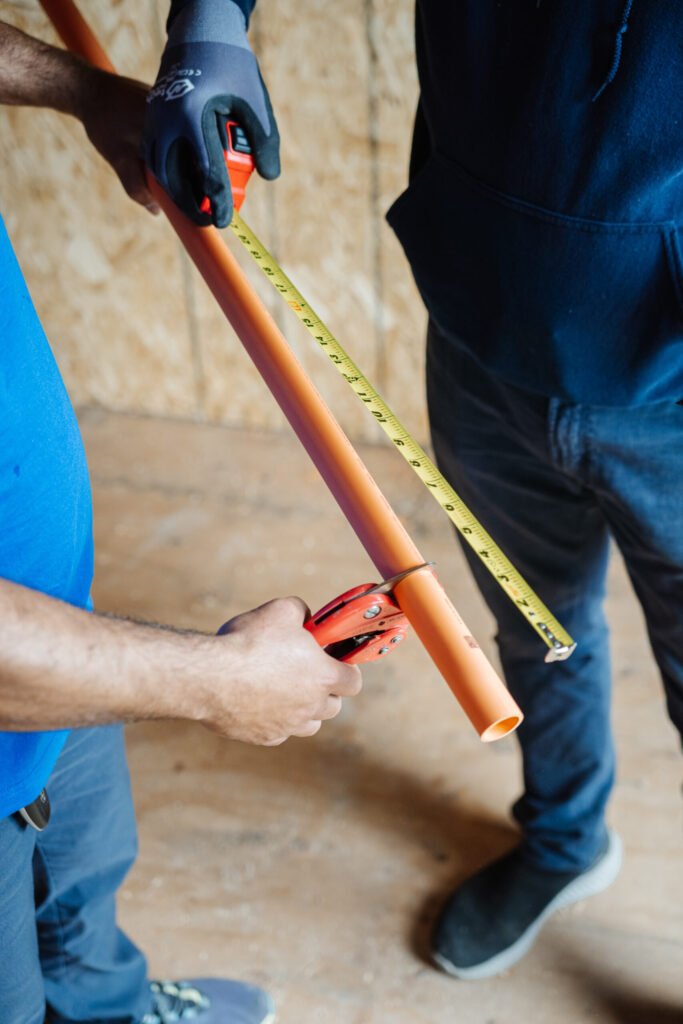

CPVC pipe is a popular choice for fire sprinkler systems. Lightweight, affordable, and faster to install than steel — it makes sense on paper. However, CPVC pipe problems can develop silently, and when they do, the consequences go beyond a repair bill.
Water damage, system downtime, and a sprinkler that doesn’t work when it needs to — that’s what a failed pipe costs you. Most problems with CPVC don’t appear suddenly. They build up. And because they build up slowly, catching CPVC pipe problems early is usually straightforward — if someone’s actually looking.
Thermal Expansion and Pipe Stress
CPVC expands and contracts with temperature. In attics, garages, and exterior walls, those swings can be significant. Over time, the repeated movement stresses joints and fittings — especially where the pipe has no room to flex.
Without proper expansion loops or flexible connections, cracks form. Once a crack starts under system pressure, it spreads. Fast.
Chemical Incompatibility with Surrounding Materials
This is the most underreported cause of CPVC failure — and the most damaging. Certain chemicals in common construction materials — adhesives, sealants, paints, fire caulk, and insulation — react with CPVC and break down its structure from the outside in.
According to an 18-month investigation by Plastic Failure Labs, the overwhelming cause of CPVC failure is contamination with incompatible chemicals — 80% of CPVC fire sprinkler pipe failures were due to chemical contamination. That’s not an age problem. That’s a preventable problem.
Improper Solvent Cement Application
Solvent cement bonds CPVC joints together. Apply too little and the joint stays weak. Apply too much and the excess pools inside the pipe, where it gets absorbed into the material over time.
Through extensive testing, Plastic Expert Group found that solvents in cement residues are absorbed into pipes and fittings, causing the piping to become brittle. As Dr. Duane Priddy, Founder and CEO of Plastic Expert Group, noted: improper solvent cement application makes CPVC brittle and unreliable — a fact confirmed repeatedly in field inspections across hotels, condominiums, and commercial buildings.
Signs of poor cement work include visible gaps at fittings, discoloration around joints, and bubbling or flaking on the pipe surface.
Can CPVC Sprinkler Pipes Fail Long Before Their Expected Lifespan?
Yes — and this surprises many property owners. CPVC is rated to last 50+ years under ideal conditions. But real-world installations are rarely ideal. CPVC piping issues often appear within the first 10–15 years when installation or environmental factors go wrong. In Los Angeles buildings where multiple trades work near the sprinkler lines, CPVC piping issues can surface even faster.
The Risk of Untrained CPVC Installers
Not every contractor understands what CPVC in a fire suppression system actually requires. The pipe has strict guidelines for support spacing, fitting selection, and cement type. An untrained installer may skip steps that seem minor — but those shortcuts create serious long-term problems with CPVC.
Always verify that your fire sprinkler contractor holds proper licensing and specific experience with CPVC systems. If you’re unsure about your current system’s condition, a professional inspection is the most reliable way to stay ahead of hidden damage.
How Spray Foam Insulation Damages CPVC Pipes
Many property owners add spray foam insulation without knowing the risk. Spray foam’s amine catalysts are highly incompatible with CPVC pipe — direct contact causes environmental stress cracking, where the pipe fractures internally while looking fine on the outside.
This is particularly relevant in the greater LA area right now. Following the 2025 Altadena fires, dozens of properties have undergone reconstruction involving spray foam insulation near existing sprinkler lines. FirePro Tech has evaluated CPVC systems across many of these properties — and the CPVC issues we’ve found are real. By the time visible symptoms appear, the pipe may already be compromised at multiple points along the run.
Why Small Leaks in CPVC Systems Become Big Problems
A slow drip at a fitting might seem manageable. In a fire sprinkler system, it isn’t. Even a minor leak signals pressure loss and joint failure. Left unchecked, it spreads — and water exposure to surrounding drywall and insulation introduces more incompatible chemicals back onto the pipe surface, accelerating the damage cycle.
If you notice moisture or staining near sprinkler lines, don’t wait. A fire sprinkler leaking is always worth acting on immediately.
What to Do If Your CPVC Fire Sprinkler System Is Showing Warning Signs
NFPA 25 and California Title 19 require regular inspections of your fire sprinkler system — and that includes evaluating your CPVC pipes for signs of degradation. If your last inspection didn’t include a visual assessment of CPVC condition, it may not have been thorough enough. A proper fire sprinkler inspection covers pipe condition, not just valve positions and flow tests.
If you notice any of the following, contact a licensed Los Angeles fire sprinkler contractor right away:
- Visible cracks or discoloration on pipes or fittings
- Wet spots on ceilings or walls near sprinkler lines
- Unusual drop in system pressure
- White residue or mineral deposits around joints
- Any smell or sign of moisture in areas where sprinkler lines run
Routine fire sprinkler maintenance is your first line of defense against CPVC pipe failure. Problems rarely appear overnight — they build up through repeated chemical exposure, temperature cycles, and installation shortcuts that nobody caught at the time. Also, if your system runs through areas with spray foam, fire caulk, or adhesives nearby, have those contact points evaluated specifically for CPVC fire sprinkler pipe failure risk. Unresolved CPVC issues and CPVC piping issues in those zones tend to escalate faster than anywhere else in the system.
For properties where CPVC runs through insulated cavities or near other trades work, the risk is higher than average. Review our guide on how to prevent sprinkler pipe bursts before an emergency forces the issue.
Protect Your Property — Get a Professional CPVC Inspection Today
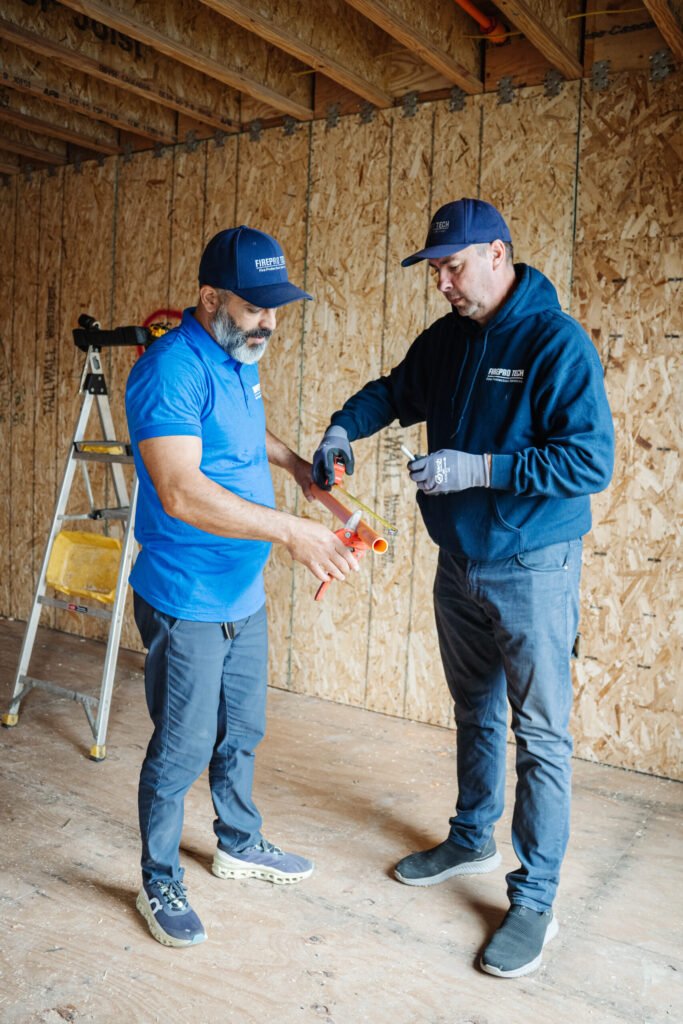
CPVC pipe problems don’t announce themselves. By the time cracks are visible or pressure drops, the damage has usually been building for months. FirePro Tech serves property owners across Los Angeles and the greater LA area with licensed fire sprinkler inspections, repairs, and system evaluations. C-16 licensed fire sprinkler contractor — if your system uses CPVC pipe and hasn’t been checked recently, now is the time. Waiting on known cpvc pipe problems is how minor issues become full system replacements.
📞 Call FirePro Tech for a same-day consultation. 📸 Instagram | Facebook
Frequently Asked Questions
What are the most common CPVC pipe problems in fire sprinkler systems?
Chemical degradation, thermal stress cracking, and improper solvent cement application are the top three. Chemical contamination alone accounts for 80% of failures — most of which are preventable with proper material selection and installation practices.
How long does CPVC pipe last in a fire sprinkler system?
On paper, 50+ years. In practice, that number drops fast when installation is sloppy or the wrong materials end up near the pipe. Buildings with spray foam, fire caulk, or certain adhesives nearby are in a higher risk category — age almost becomes a secondary factor at that point.
Can spray foam insulation damage my fire sprinkler pipes?
It can, and it does more often than people expect. The amine catalysts in spray foam react with CPVC and crack it from the inside out. The pipe looks intact. The damage isn’t. That’s what makes it dangerous — you won’t know until something fails.
How do I know if my CPVC fire sprinkler system needs inspection?
Discoloration, moisture near joints, pressure that’s off, visible cracking around fittings — any of those is a reason to call. But here’s the thing: most CPVC failures don’t give you obvious warning signs. Annual inspections catch what visual checks miss.
Is CPVC pipe safe for residential fire sprinkler systems?
Yes — it meets UL and FM standards and works fine when installed correctly. The issues come from what’s around it. Wrong adhesive, spray foam overspray, incompatible caulk — those are what turn a reliable system into a liability. Installation quality and surrounding materials are the real variables.
What should I do if I notice a leak in my CPVC sprinkler pipe?
Call a licensed contractor today, not at the next scheduled visit. A leak in a sprinkler system isn’t a drip — it’s a signal that the joint or pipe has already failed. Left alone, it spreads. And a system that’s leaking may not activate the way it should when you actually need it.