
Fire sprinkler certification is something many property owners don’t think about until they have to. But it actually plays a huge role not only in safety but even in insurance approval. A system can be installed perfectly. Anyway, if it’s not inspected and certified regularly, it may not work when it’s actually needed. That’s where certification becomes essential.
Why Fire Sprinkler Certification Matters for Insurance and Authorities
Most insurance providers won’t take risks with fire protection. They want proof that your system works. That’s why fire sprinkler certification is often required before issuing a policy or renewing one. It’s directly tied to what’s known as a fire sprinkler insurance program.
From the fire department’s side, the logic is simple. If a system fails during a fire, the consequences can be severe. Because of this, they require a valid fire safety insurance certificate to confirm everything meets local codes.
So, whether you’re dealing with insurance or inspections, fire sprinkler system certification is not optional — it’s expected.
Who Is Qualified to Perform Certification
Not just anyone can sign off on a system. Fire sprinkler system certification services must be done by the best trained professionals who understand how these systems behave under real conditions.
Usually, that includes:
- С-16 Licensed fire protection contractors;
- LACFD Certified inspectors;
Choosing the right contractor matters more than people think. A poorly done inspection can lead to missed issues — or rejected documentation later.
Standards and Requirements You Need to Know
Fire sprinkler systems follow strict rules. These rules come from national standards, but local regulations also play a role.
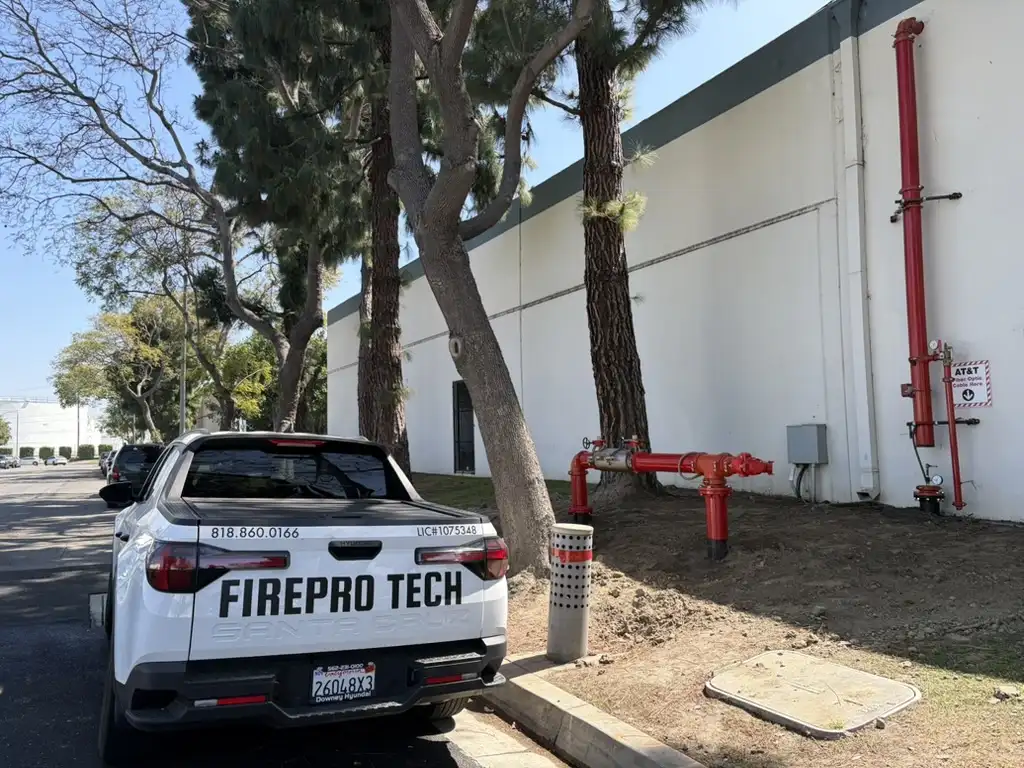
For example, in CA, requirements often align with national codes but include additional checks. That’s why working with experienced providers like FirePro Tech can make things easier. In general, certification for fire sprinkler systems depends on:
- Proper installation;
- Routine inspections;
- Functional testing;
- Maintenance records.
Miss just one of these, and you may run into problems.
How to Get Ready for Inspection
Preparing ahead of time can save you a lot of trouble. Start simple — look at your previous reports. If there were issues before, make sure they’ve been fixed.
Then check accessibility. Inspectors need to reach valves, alarms, and other key parts. If something is blocked, it slows everything down. Also, take a quick walk through your property. Make sure nothing is covering sprinkler heads. If you want a deeper checklist, this guide helps.
What Inspectors Actually Check
During the inspection, technicians don’t just look around. They go step by step through the system. Here’s what usually gets checked:
- Sprinkler heads for damage or blockage;
- Pipes for leaks or corrosion;
- Valves to ensure they’re open and secure;
- Alarm systems and pressure levels
Sometimes they also run water flow tests. This part of certification for fire sprinkler systems is important because it shows how the system performs — not just how it looks. Want to know more? Read our article about testing fire sprinkler systems.
How the Certification Process Works
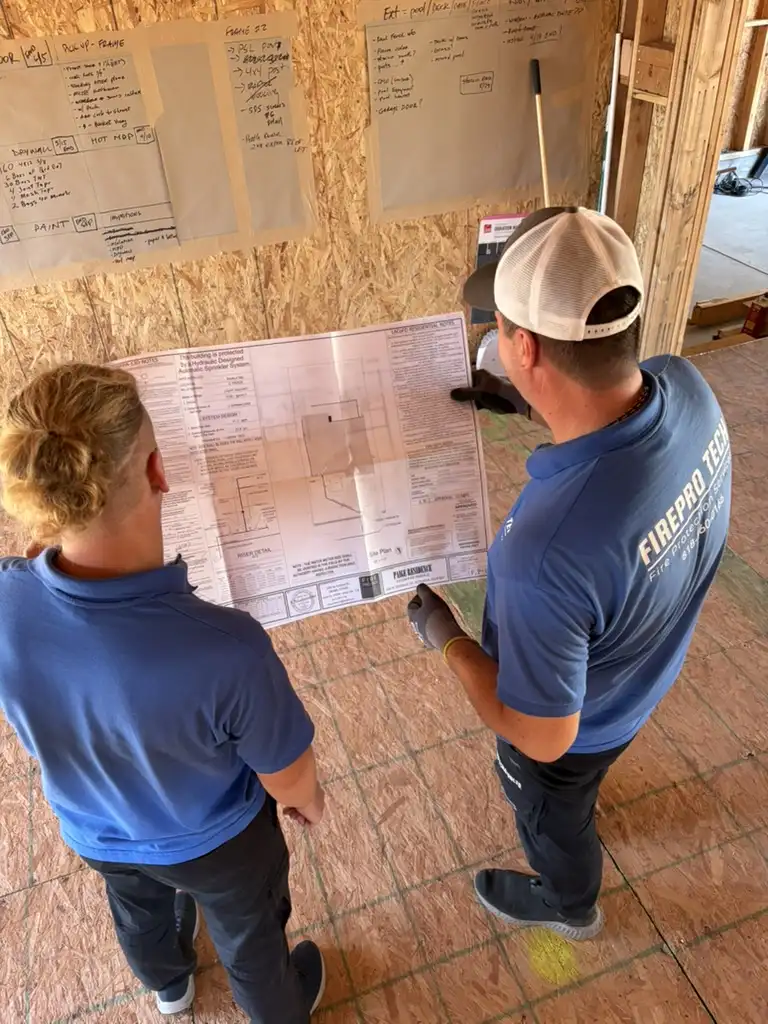
The process itself is pretty straightforward. You schedule an inspection, and a qualified technician handles the rest. They review your system, run tests, and document everything. If all requirements are met, you receive fire sprinkler certification confirming compliance.
If not, you’ll get a list of issues to fix. After repairs, a follow-up inspection may be needed.
What Documents You Receive
Once everything is complete, you’ll get official paperwork. This usually includes:
- A full inspection report;
- Test results;
- A fire sprinkler system certificate
These documents are important. Insurance companies often request them, especially for a fire sprinkler insurance program. A small tip: check insurance-related requirements in advance just to be ready for everything and get your fire safety insurance certificate successfully.
Why Systems Fail Certification
Failures happen more often than expected. The good news? Most of them are preventable. Common problems include:
- Valves that are closed or partially closed;
- Corroded pipes;
- Painted or damaged sprinkler heads;
- Faulty alarms;
- Low water pressure.
Even small issues can cause a failure. That’s why regular checks matter.
What Happens If You Don’t Pass
Failing certification isn’t the end of the world, but it does require action. Inspectors will give you a list of what needs fixing. Once repairs are done, you schedule another inspection. The key is not to delay. An uncertified system can lead to fire protection contractor insurance problems — or worse, safety risks. If you’re in the Glendale area, simply call FirePro Tech to get help as soon as possible.
At the end of the day, fire sprinkler certification is about reliability. You want to know your system will actually work if something goes wrong. Regular inspections, proper maintenance, and working with the right professionals make all the difference.