

We are in love with fire protection, so it’s a pleasure to us to tell you more about a drain valve sprinkler system and why it matters. In short, there are rare occasions when it’s better to have a system without water inside, so this sprinkler system drain allows us to get rid of water. Those rare occasions are: inspections, repairs, or seasonal shutdowns. Let’s dive together into all aspects that explain why and how exactly draining works to protect equipment, reduce damage, and maintain code compliance while extending system life.
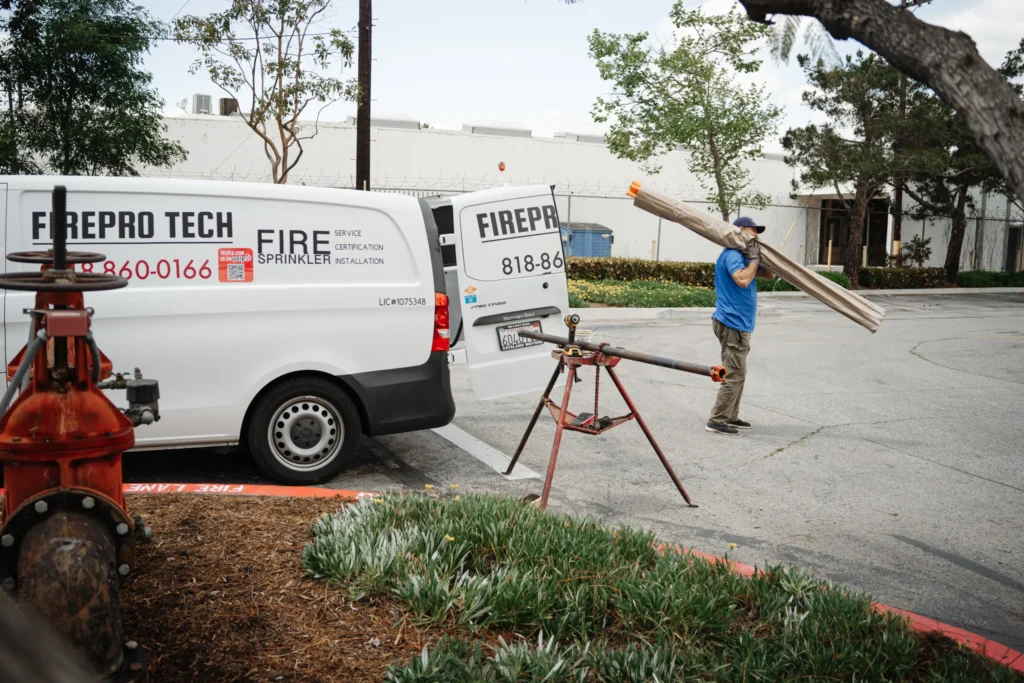
When Draining Sprinkler System Becomes Necessary for Fire Protection
Most of the time your sprinkler system is filled with water, as it should be. However, if there is a leak, or an upgrade service is around the corner, the water in pipes might become a problem. And here is where you need a draining sprinkler system procedure. Any repair, maintenance, or inspection can’t be done without it. In addition, to avoid water freezing in the pipes, you should drain it as a part of maintenance, since without it this issue will lead to leaks and burst pipes. For insight into early warning signs, review Top Causes of Fire Sprinkler Leaks.
Why Draining Sprinkler System Maintenance Protects Reliability
While water stays inside pipes, it creates sediment buildup and stagnates. Regular sprinkler system drain is an easy way to avoid both. You might wonder how sediment can harm your system? When a buildup appears, it creates an obstacle for water flow, which can restrict the water flow during an emergency. Buildup also increases the pressure inside pipes. As a result, pipes can burst and cause a leak. All procedures with a drain valve sprinkler system during maintenance are provided to support consistent pressure. Hence, they ensures the system responds as designed. Scheduled inspections also identify worn components early; learn more in How Often Should a Fire Sprinkler System Be Inspected?
Safe Methods for Performing a Fire Sprinkler Drain Procedure
Your setup has a fire sprinkler system drain valve, which is the key to a safe drain procedure. It allows the release of water under proper control. In a question of how to drain a residential fire sprinkler system preparation and communication are essential to avoid unintended consequences.
Step-by-Step Guidance to Drain a Fire Sprinkler System Correctly

Step 1: Notify Stakeholders Before System Drainage Begins
The sprinkler system is a crucial safety element, so it’s important to inform all occupants of the building that work is about to start. It might feel optional, but no one wants to panic over a false alarm. Staying safe when you want to drain fire sprinkler system components is as important as to stay safe when it’s a real fire around.
Step 2: Identify Drain Valves and Water Discharge Locations
But seriously, how to drain a residential fire sprinkler system? You should begin with locating the main drain and auxiliary drains. It’ll help you prevent interior damage, since you’ll know where the water exits. As a bonus, you’ll ensure the fire sprinkler system drain valve operates as intended.
Step 3: Gradually Open the Main Drain and Observe Flow
Don’t rush during sprinkler system drain. Open the valve slowly and monitor pressure changes. Sudden pressure drops may indicate blockages or valve issues, which can be missed if you’re too fast.
Step 4: Verify Full Drainage and System Stability
Once water flow stops, confirm that gauges return to normal and no leaks remain. Proper stabilization ensures the drain valve sprinkler system can be returned to service safely.
Risks Created by Incorrect Fire Sprinkler Draining Practices
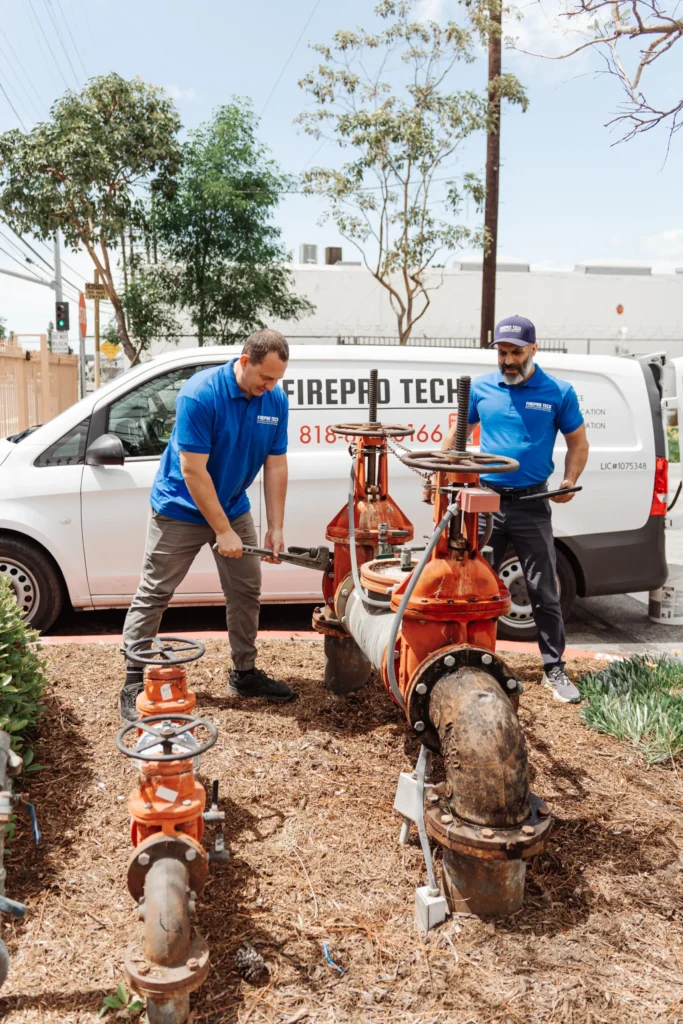
You won’t ever face these if the drainage is performed by a professional like we have at FirePro Tech. Poor maintenance usually results in pipe damage, corrosion and even in system failure during an emergency. Moreover, if the drain process wasn’t finished at all, there are added risks of freezing pipes and hidden leaks. You could miss both issues until the system is significantly damaged. All of the risks we’ve mentioned require a repair service, but, left ignored, they make repair costs higher and higher. Consistent care, combined with guidance like Home Fire Sprinkler System Maintenance Tips, helps avoid costly mistakes and keeps protection reliable.
This is everything you need to know about drainage in general, and how it differs from system to system in particular. Drainage maintenance is a safe way to minimize safety risks along with repair costs.