
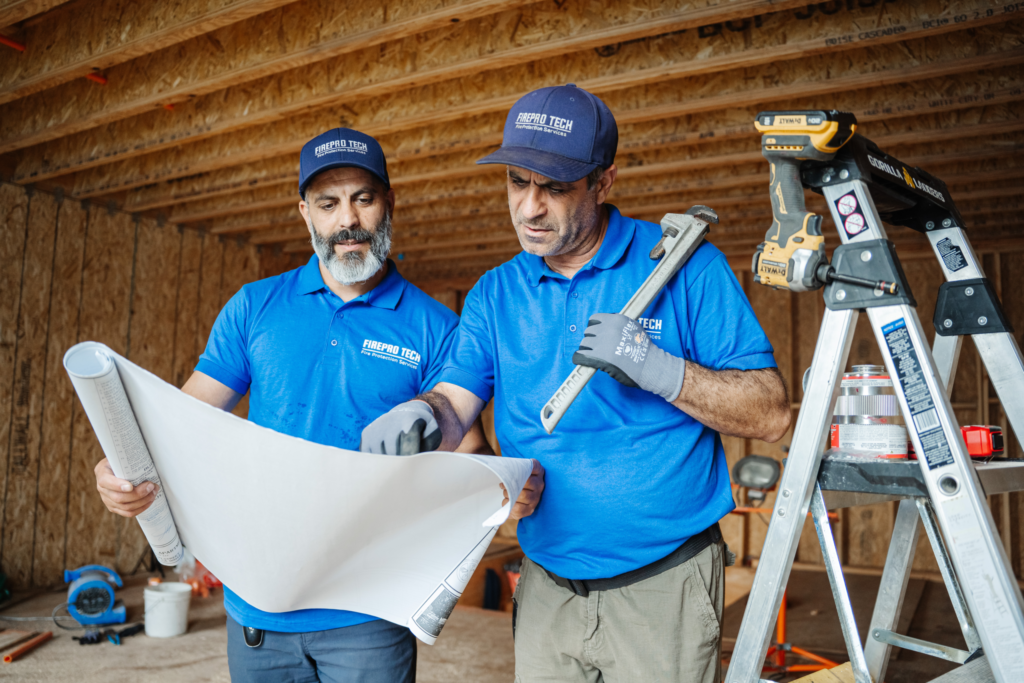

Many homeowners think that retrofitting fire sprinkler system is just a slight upgrade to the building’s engineering. In fact, it’s a real enhancement to the protection of property (and the reputation of the property owner as well). But many owners still put off this decision until they are faced with inspection requirements.
But this should not be driven solely by regulations; this is the basic minimum for any building. Retrofitting reduces the risk of really big and unpleasant losses. Plus, it often helps lower insurance premiums and increase property value.
Rethinking Protection: What Retrofitting Fire Sprinkler System Means Today
We apply fire sprinkler retrofit to the buildings constructed with outdated extinguishing systems. Standards such as NFPA 13 set clear requirements for everything (including design and sprinkler placement, for example). But we don’t speak about standards only. It’s about the actual ability of a building to withstand fire.
Remember that even the most modern system still needs proper attention. Check out the article Top Causes of Fire Sprinkler Leaks for details on common pipe issues and how to prevent them.
Why Retrofitting Saves Lives and Money
Many existing buildings were designed at a time when fire science was far less advanced. Because of this, they often lack automatic fire suppression systems. Retrofitting fire sprinkler system closes this critical gap between them and modern houses.
However, the benefits are not limited to safety. You also reduce the risk of major property damage and legal claims.
But retrofit is not a magic pill to avoid checks forever. If you’re not sure how often to get it inspected, read through How Often Should a Fire Sprinkler System Be Inspected, which compares annual and 5-year inspections.
From Idea to Reality: How Modernization Works
A well-designed project always follows clear steps. But each project requires an individual approach.
- Project evaluation (engineers analyze the layout, check the purpose of the premises).
- Design (the team performs hydraulic calculations).
- Approvals (specialists send documents to the local AHJ).
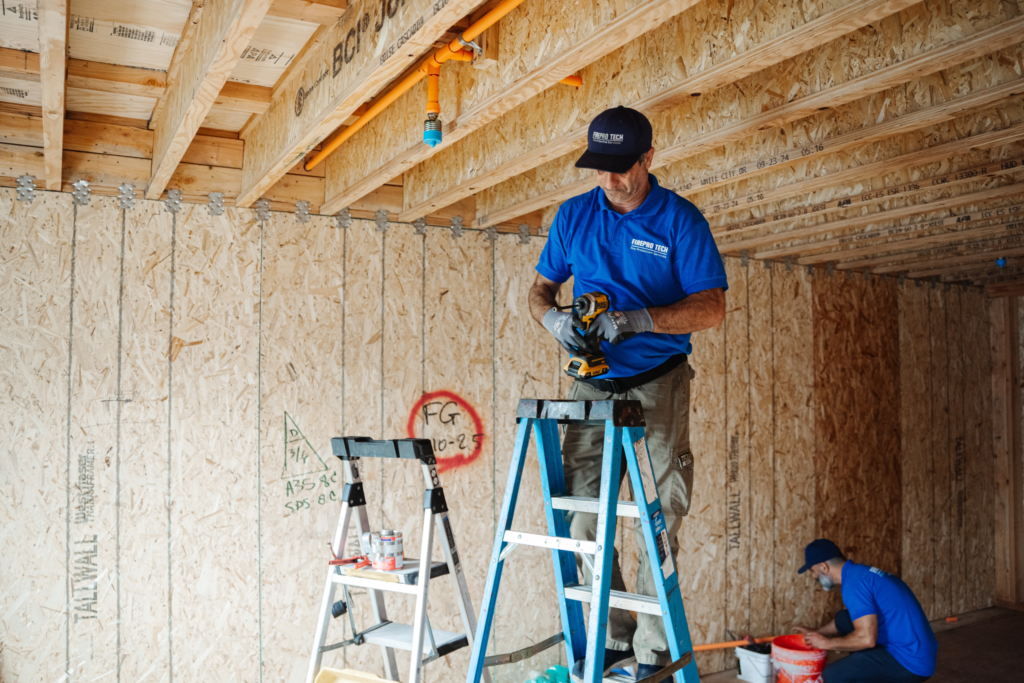
- Installation (technicians install pipes, sprinklers, pumps, and alarm systems).
- Testing and acceptance (the team conducts all necessary inspections and tests).
No thorough documentation at each stage? Then you risk to fail during inspection. If you are facing a similar challenge, consider seeking assistance from the best of the best at FirePro Tech.
Pitfalls and How to Avoid Them
Sometimes the sprinkler retrofit process isn’t so smooth. But competent planning reduces the risks. Most often, contractors encounter limited space above ceilings or even the presence of asbestos. Another issue are… people. Yes, sometimes work must be done at night or in very small stages so as not to disturb tenants. Despite the difficulties, an experienced contractor always finds a solution.
It’s important to understand that some of the problems arise precisely because of poor maintenance of old systems. How to properly care for already installed sprinklers is discussed in detail in the article Home Fire Sprinkler System Maintenance Tips.
Who to Choose for Retrofitting a Fire Sprinkler System
Choose a retrofit sprinkler system contractor with proven experience and an understanding of local regulations. Ask them about valid licenses, too. A good contractor coordinates the work of engineers and communicates with inspectors. They also take care of the most unpleasant part, obtaining permits.
In addition, they should clearly explain the budget and possible risks before starting work.
When Height Matters
High-rise buildings always mean unique safety challenges. Evacuation takes longer, and fire and smoke spread quickly vertically. In many jurisdictions, regulations require full automatic protection for existing high-rises.
High-Rise Risks and Considerations
Features of multistory buildings aren’t just all about convenience but also serious fire risks. Think about it: there is a lot of open space that is easily filled with smoke. At the same time, evacuation takes a very long time because stairs become the only way to escape.
How High-Rise Buildings Implement Sprinkler Upgrades
Sprinkler retrofitting often involves upgrading the water supply, installing new risers, replacing pumps… and many other actions. Sometimes, retrofitting fire sprinkler system is done in stages, floor by floor. This method to retrofit fire sprinkler system reduces risks and allows the building to continue functioning.
How to Plan a Budget for Retrofitting a Fire Sprinkler System
The price depends on the complexity of the layout and the availability of utilities. Age also has an impact. The retrofit fire sprinkler system cost should include materials and labor, with design, permits, and final testing included.
Saving money when it comes to the retrofitting is risky. So when you think about the retrofit fire sprinkler system cost, think of it as a worthwhile investment.
Laws and Regulations: What You Must Comply With
Fire safety legislation is constantly evolving. Therefore, it is important to understand the key requirements:
- NFPA 13 regulates design and installation. NFPA 13R and 13D apply to certain types of buildings.
- International building and fire codes often require retrofitting during renovations.
- Cities may set their own deadlines and procedures.
- In some cases, the AHJ may approve alternative engineering solutions.
But under no circumstances should you ignore the need to retrofit sprinkler system. This will result in fines, refusal of operation, and increased insurance rates.
Look to the Future, Not Just the Past
Sprinkler retrofit is not the end point. In fact, it’s the beginning of a long-term process. Regular inspections in accordance with NFPA 25 and timely replacement of worn components should be a must for you.
Invest in retrofitting and be sure to find out in advance exactly what you need to upgrade in your fire sprinkler system. And if you need a more detailed breakdown of the installation process itself — from design to commissioning — you can find it in How to Install a Fire Sprinkler System.
If you are planning to retrofit fire sprinkler system in CA, don’t delay your decision. Contact us today for a professional assessment services and your fire sprinkler retrofit design.