
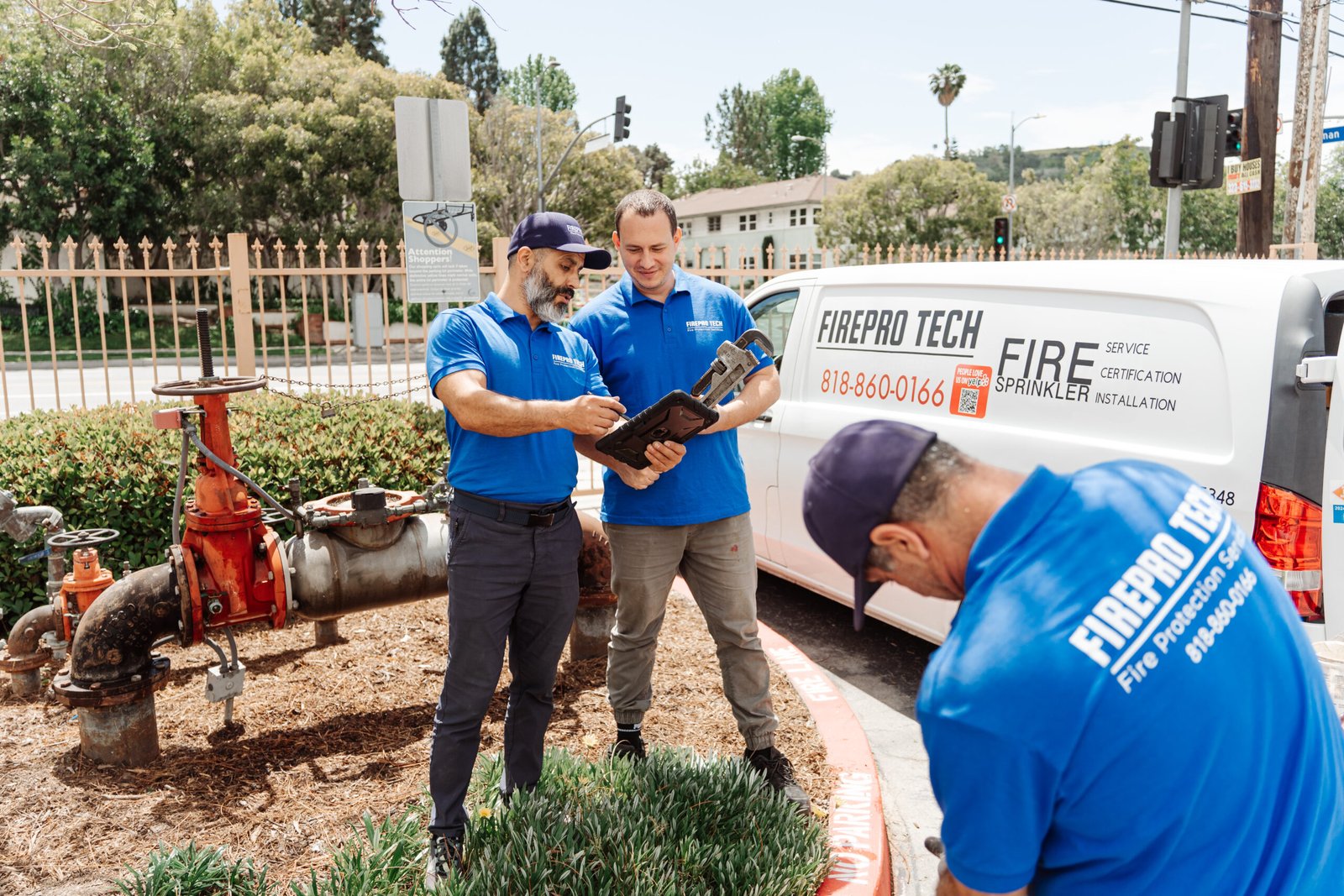
What sets off fire sprinklers? This question has crossed the mind of anyone who has ever thought about fire safety. That drop-shaped device under the ceiling can be triggered easily, so let’s take a look at how to avoid turning a travel tool into a flood hazard and what factors can affect fire sprinkler system activation.
What Really Triggers the System: Myths and Reality
Some people still believe that it’s all about smoke. But what sets off fire sprinklers does not depend on it. The system responds exclusively to heat. The sprinkler sensor detects a rise in temperature to a critical point, and only then does it activate.
Okay, if the head’s operation depends on heat, then what temperature sets off fire sprinklers? A very high one: one that could indicate a real fire somewhere nearby.
What Sets Off Fire Sprinklers on Purpose or Accidentally?
Let’s find out: what temperature sets off fire sprinklers? In fact, household temperatures are not dangerous in this context. Heads only activate when the air around the head becomes very hot — from 135°F to 155°F in standard models.
Accidents do happen, it’s true, but rarely. Usually, the cause is mechanical damage to the head or, for example, improper installation. Our article about home fire sprinkler system maintenance tips will come in handy here. It perfectly highlights what you need to check.
How Long Does a Sprinkler Keep Pouring Once the Heat Hits?
The system operates as long as the temperature around the activated head remains high. As soon as the fire disappears and the air cools down, the water supply stops.
But mostly, extinguishing takes just a couple of minutes. Fire sprinkler system activation instantly knocks down the flames and doesn’t let them grow dangerous.
Heat, Fire, or Something Else: What Starts the Sprinkler Flow?
Well, what causes a fire sprinkler to activate can be described by four of the most popular factors:
- the heat threshold of a specific head (specified by the manufacturer);
- the direction and speed of the hot air flow;
- the type of room and ceiling height;
- the presence of filler inside the glass bulb.
These parameters cannot be changed accidentally. Therefore, almost every fire sprinkler activation can be justified.
Will the Whole System Spray at Once?
This is one of our favorite myths actually. Because it’s very difficult to make people believe it’s not true! Only the sprinkler head that senses a fire nearby activates. The rest remain cold and deactivated.
And we consider it as a huge advantage of sprinkler systems in residential buildings — more details can be found in the article about sprinklers in residential buildings.
Are Incense or Candles What Sets Off Fire Sprinklers?
Many of us love incense and candles so much… But is that really what causes a fire sprinkler to activate?
No. Even if you use a hundred candles (wisely, of course), they produce very little heat. Fire sprinklers are safe for normal home use. But if you hold a lighter directly under the head, yes, you can cause localized overheating. And this is exactly what sets off fire sprinklers sometimes. So avoid such experiments.
Ever Wonder What Fills the Glass Bulb in Sprinklers?
Sprinklers usually contain a special glass bulb. There’s a special liquid inside that expands when heated. When the temperature reaches the activation threshold, the liquid expands and literally breaks the bulb. This makes the system work, and water immediately begins to fight the fire.
This is the most common design, but there are actually more of them. One of them is a sprinkler with a fusible link head. But no spoilers here: we have a dedicated article about the differences between these types of heads, and it’s worth reading.
How Sensitive Are Fire Sprinklers?
Sensitivity actually depends on the category of the head. You can install a standard head in a regular room. However, a highly sensitive head would be a good choice for rooms where highly flammable materials are stored.
But even the most sensitive models don’t respond to normal summer heat, for example. They are designed to respond to a sharp increase in temperature. That’s what happens during s a real fire and what causes a fire sprinkler to activate.
Do Sprinklers Ever Work Without a Flame Nearby?
Yes, but very rarely. And here are a few reasons:
- a strong physical impact on the sprinkler;
- corrosion or very old equipment;
- incorrect installation;
- excessively high room temperature due to a heating failure.
However, no need to panic yet. This may actually happen with your sprinkler as an exception rather than a rule.
Smart Ways to Avoid Accidental Sprinkler Trips
There’s really no rocket science here, just follow a couple of rules:
- Avoid covering sprinklers with boxes or furniture.
- Don’t hang decorations, lamps, or lights on them.
- Inspect the system regularly.
Don’t forget about this list of actions, and fire sprinkler activation will remain under control. And if you still need help, call the experts at FirePro Tech at (818) 860-0166. If you’re still thinking about it, save our contact information for later: Better yet, save our contacts for the future: follow us on Instagram and Facebook for the latest updates.